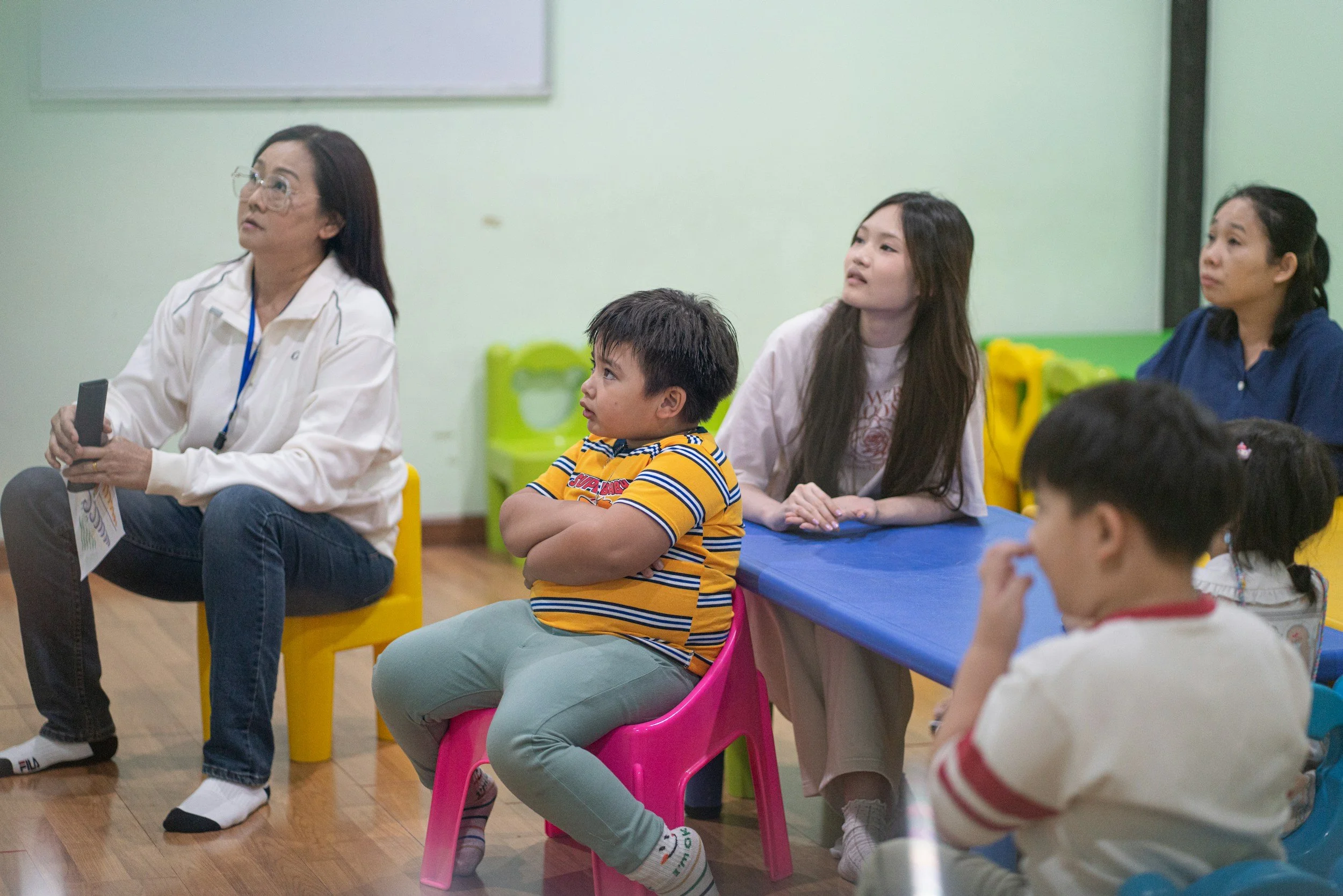
Every parent knows the daily juggle of school runs, mealtimes and bedtime routines. When your child has special needs — whether that means autism, ADHD, a speech delay or sensory differences — that juggle can feel far more intense, and much of the standard parenting advice simply does not fit. The encouraging news is that small, consistent changes at home can make family life calmer and help your child build confidence and independence. Below are practical, evidence-informed strategies that families across Dubai and the wider UAE use every day.
No two children with additional needs are alike. One child may find noisy shopping centres overwhelming; another may seek out movement and deep pressure. Before changing anything at home, spend a week simply observing. Keep a short diary of moments that go well and moments that unravel — what happened just before, where you were, who was present. Patterns emerge quickly, and they often point to specific triggers such as hunger, transitions or sensory overload.
Just as important is noticing strengths. A child who lines up toy cars has focus and attention to detail. A child who repeats film dialogue has memory and a route into language. Building on strengths, rather than only working on difficulties, is one of the most powerful shifts a parent can make. A formal assessment from a qualified team can also translate your observations into a clear plan of support.
Children who find the world unpredictable often feel safest when the shape of the day is known in advance. A visual schedule — simple pictures or photographs showing the sequence of the day — reduces anxiety because your child no longer has to guess what comes next. Keep it somewhere visible, and involve your child in moving each picture to a "finished" pocket.
Transitions are where most difficult moments happen, so give warnings before a change: "Five more minutes, then bath time." Pair this with first-then language — "First pyjamas, then story" — which makes expectations concrete. Routines should bend rather than break: if the plan changes, show the change on the schedule instead of springing it on your child.
Many children with developmental differences need more time to process spoken language. Use short, clear instructions — "Shoes on, please" rather than a long chain of requests — and then pause. Counting slowly to ten in your head before repeating gives your child the processing time they need to respond.
Show as well as tell: model the action, point, or use gestures and pictures alongside words. If your child uses very few words, celebrate every attempt at communication, whether it is a look, a point or a sound. For some children, augmentative and alternative communication tools such as picture exchange systems or communication apps open the door to expressing needs — and research consistently shows these supports encourage speech rather than replace it.
A meltdown is not misbehaviour; it is a sign that demands have outstripped a child's capacity to cope. In the moment, safety and calm come first: lower your voice, reduce language, dim the environment where possible and stay nearby. Children borrow calm from the adults around them — a process called co-regulation — long before they can regulate alone.
Between difficult moments, create a calm corner at home with cushions, soft lighting and a few favourite sensory items, and practise using it when your child is already settled. Naming feelings — "You're cross because the tablet is finished" — slowly builds the emotional vocabulary your child needs to manage big feelings in better ways.
Parents of children with additional needs experience higher levels of stress and exhaustion, yet often feel guilty prioritising themselves. Your wellbeing is not a luxury; it is part of your child's support plan. Accept help when it is offered, plan regular respite — even an hour — and stay connected to friendships that have nothing to do with therapy or diagnosis.
Make space for siblings too. Brothers and sisters cope best when they understand their sibling's needs in age-appropriate terms and have protected one-to-one time with a parent, however brief.
Dubai has a growing community of families raising children with additional needs, and no parent should navigate the journey alone. Parent support groups, inclusive nurseries and schools, and multidisciplinary therapy centres mean help is closer than many families realise. Look for a team that combines ABA therapy, speech and language therapy, occupational therapy and psychology under one roof, communicates openly with you, and — crucially — coaches you as a parent, because the strategies that work in the therapy room matter most when they work at home.
How do I know if my child needs professional support?
Trust your instincts. If your child's speech, play, learning or behaviour seems noticeably different from peers, or daily life feels like a constant battle, an assessment provides clarity. Early intervention leads to better outcomes, and seeking advice early never harms a child who is simply developing at their own pace.
Will strict routines make my child inflexible?
No — predictability builds the security children need before they can cope with change. Once routines are established, you can practise small, planned changes so your child gradually learns that different can be safe.
How can I explain my child's needs to their siblings?
Use simple, honest language suited to their age: "Your brother's brain works differently, so loud noises feel much bigger to him." Invite questions, acknowledge that their feelings matter too, and protect regular one-to-one time with each child.
What support is available for parents in Dubai?
Alongside therapy centres, Dubai offers parent training programmes, support groups and inclusion services within many schools. A good therapy provider will involve you in every stage of your child's programme and teach you strategies to use at home.
If you would like guidance tailored to your child and family, our multidisciplinary team in Al Jaddaf is here to help. Call us on +971 52 600 4107, email bloom@bloombeyond.me, or visit us at 601, 602 & 701 Al Nastaran Tower, Al Jaddaf Waterfront, Dubai to book a consultation.



.png)

.png)

.png)
.png)
.png)
.png)