Every child experiences the world through their senses. For most, the brain quietly sorts the sights, sounds, textures and movements of daily life into a picture that makes sense. But for some children, this process — known as sensory processing — works differently. Everyday experiences such as a noisy classroom, a scratchy shirt label or a busy shopping mall in Dubai can feel overwhelming, confusing or even frightening. The good news is that with the right understanding and support, including sensory integration therapy, children can learn to feel calmer, more organised and more confident in their bodies.
Sensory processing is the way the nervous system receives information from the senses and turns it into appropriate responses. Beyond the familiar five senses, children also rely on proprioception (awareness of body position, from receptors in muscles and joints) and the vestibular sense (balance and movement, based in the inner ear).
When these systems work together smoothly, a child can sit at a desk, follow instructions and play with friends without conscious effort. When they do not, the brain may register ordinary sensations as too intense — or barely notice them at all. Neither pattern reflects poor behaviour or parenting; it is simply a difference in how the brain organises sensory information.
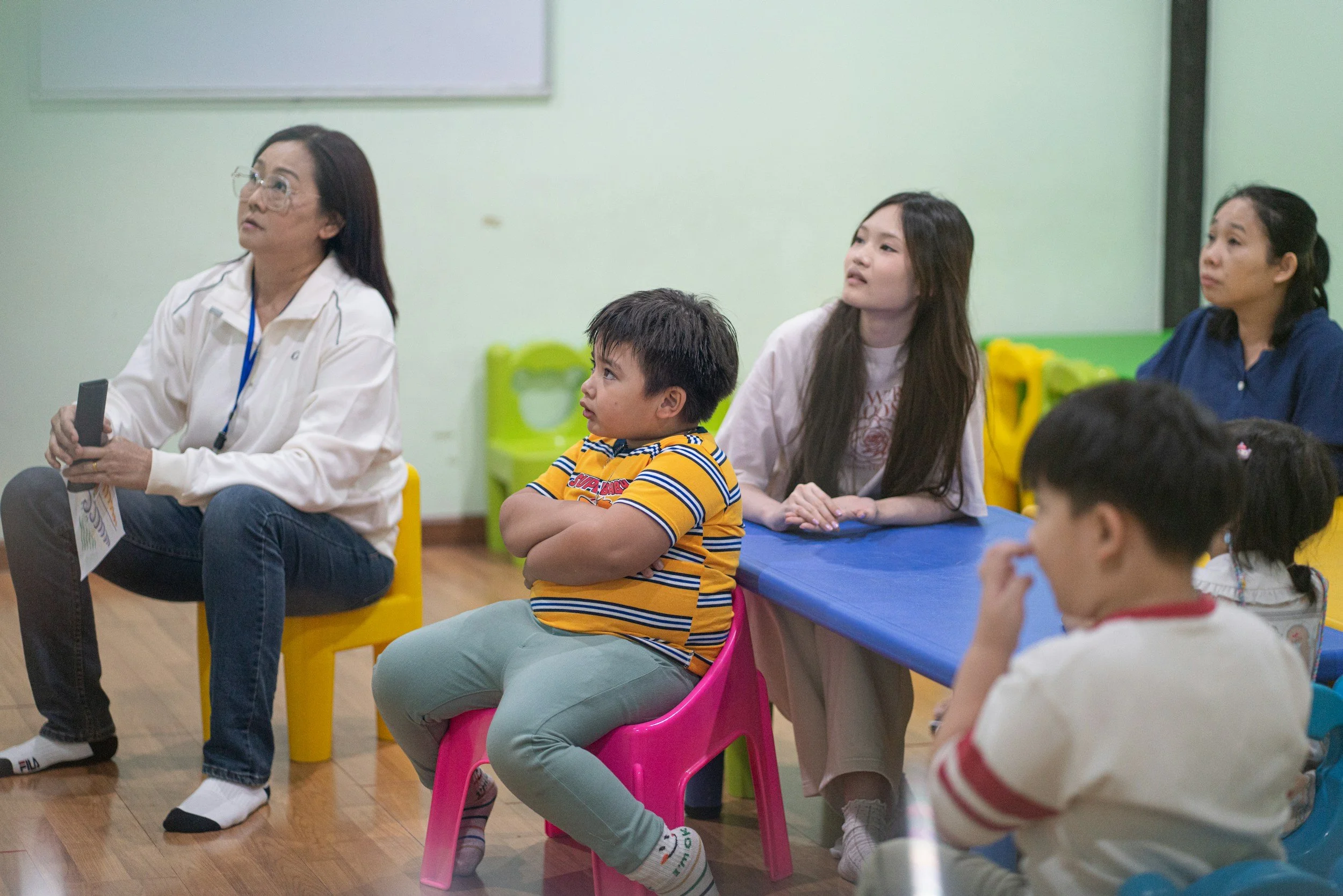
Sensory processing differences look different in every child. Some children are over-responsive: they may cover their ears at the sound of a hand dryer, refuse certain food textures, dislike messy play or become distressed by tags and seams in clothing. Others are under-responsive: they may seek out constant movement, crash into furniture, chew on objects or appear not to hear their name being called.
You might also notice frequent meltdowns in busy places, difficulty settling to sleep, clumsiness, avoidance of playground equipment, or trouble concentrating at school. Many families in the UAE first notice these patterns when a child starts nursery or school, where sensory demands suddenly increase.
Sensory integration therapy was developed by occupational therapist and psychologist Dr A. Jean Ayres. It is based on the principle that carefully structured, playful sensory experiences can help the brain learn to process information more effectively.
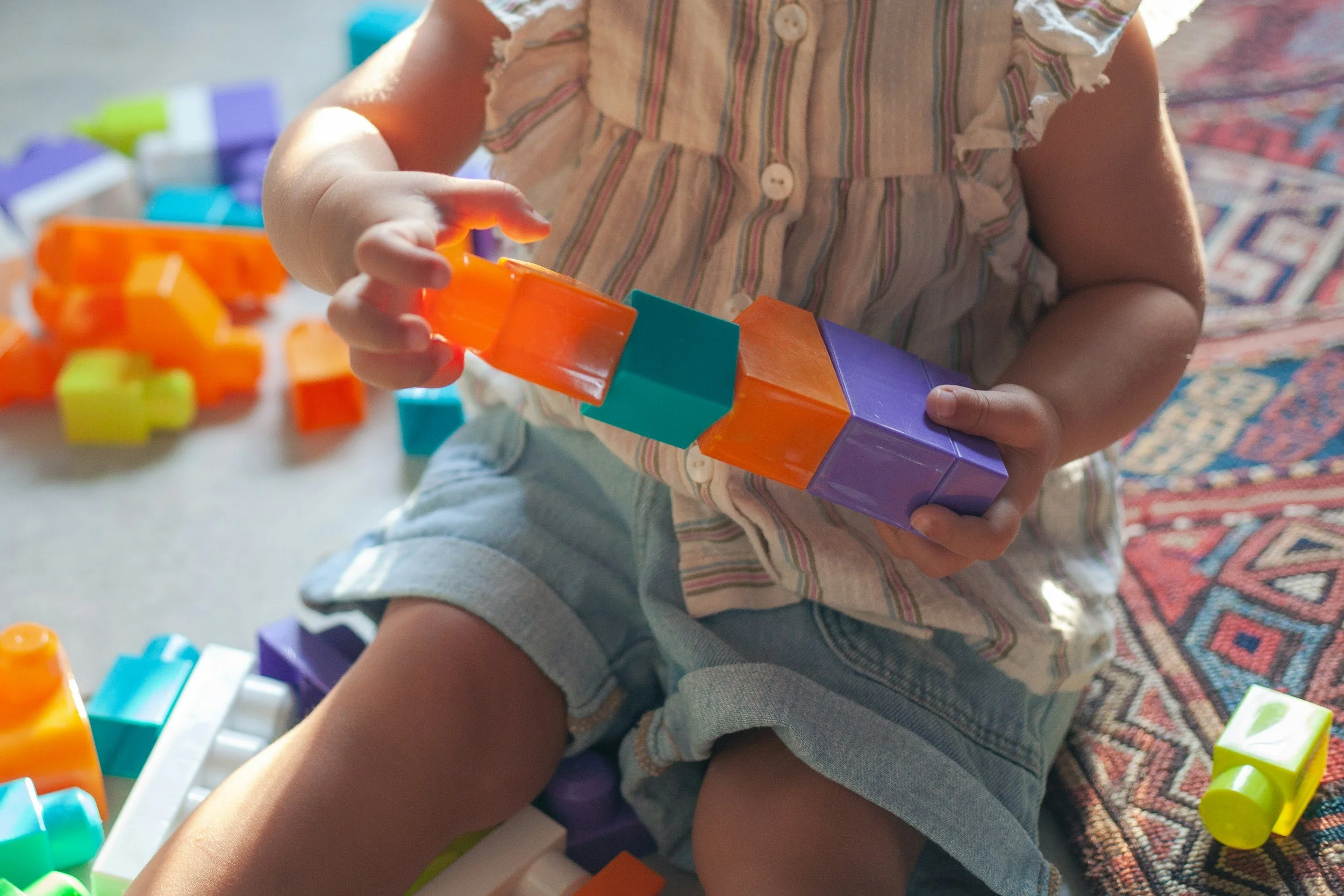
In practice, therapy looks a lot like play — and that is intentional. A therapist might guide a child through swinging, climbing, jumping into crash mats, playing with textured materials or navigating obstacle courses. Each activity is deliberately chosen and graded to give the child's nervous system the "just-right challenge": demanding enough to build new skills, but never so overwhelming that the child shuts down. Over time, children typically become better able to regulate their responses, plan their movements and engage with the world around them.
Occupational therapy is usually the home of sensory integration work. A qualified occupational therapist begins with a detailed assessment, gathering information from parents, teachers and structured observation to build a full picture of a child's sensory profile.
From there, the therapist designs an individual plan. This often includes clinic-based sessions in a sensory gym, a personalised sensory diet — a schedule of sensory activities woven through the day — and practical coaching for parents and teachers. The aim is never to change who a child is, but to help them participate more comfortably in the everyday activities of childhood: dressing, eating, learning and playing.
While professional guidance matters, small changes at home can make a real difference. Deep-pressure activities such as bear hugs, cushion squashes or carrying a basket of laundry can be wonderfully calming. Predictable routines reduce anxiety, and warning a child before transitions — leaving the park, starting bath time — helps them prepare.
Try creating a calm corner with soft lighting and favourite textures where your child can retreat when the world feels too loud. For sensory seekers, build in regular movement breaks: trampoline time, swimming or cycling all provide rich sensory input. In Dubai's hotter months, indoor options such as soft-play centres, home obstacle courses and water play on the balcony can keep sensory needs met year-round. Above all, observe what soothes and what overwhelms your child — you are the leading expert on them.
Is sensory processing difficulty the same as autism?
No. Sensory processing differences are common in autistic children, but they also occur in children with ADHD, developmental delays and in children with no other diagnosis at all.
At what age can a child start sensory integration therapy?
Children can be assessed from toddlerhood onwards. Early support is valuable because young brains adapt quickly, but older children and teenagers also benefit meaningfully from therapy.
How long does sensory integration therapy take to show results?
Every child is different. Some families notice changes within weeks, while more significant gains typically emerge over several months of consistent sessions combined with home strategies.
Will my child grow out of sensory difficulties?
Some children become less sensitive with age, but many simply learn to cope silently, which can affect confidence and learning. Timely support helps children build genuine regulation skills rather than masking their struggles.
Do I need a referral to see an occupational therapist in Dubai?
No referral is required. Parents can contact a children's therapy centre directly to arrange an initial assessment.
If you recognise your child in any of this, you are not alone — and support is close at hand. Our multidisciplinary team in Al Jaddaf provides occupational therapy and sensory integration assessments for children across Dubai and the UAE. Call us on +971 52 600 4107, email bloom@bloombeyond.me, or visit us at 601, 602 & 701 Al Nastaran Tower, Al Jaddaf Waterfront, Dubai to book an initial consultation.



.png)

.png)

.png)
.png)
.png)
.png)