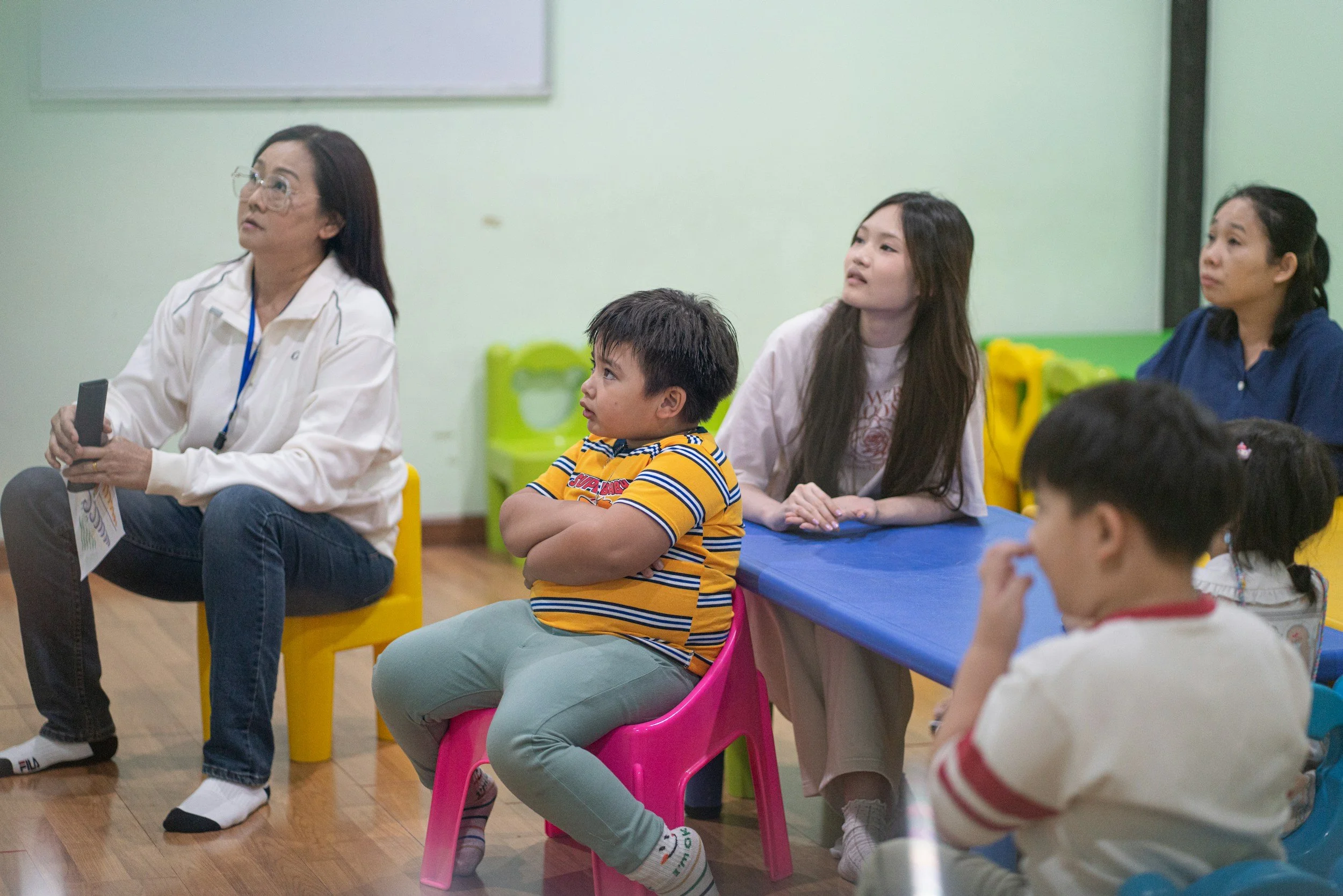
The end of the academic year in Dubai brings a familiar mix of relief and quiet apprehension. Children dream of long mornings without uniforms and afternoons that seem to stretch on forever. Parents picture a slower pace, then begin to worry about how they will fill twelve weeks with 45 degree heat outside and an energetic child indoors.
For many families, summer is the most disruptive season of the year. School routines vanish, predictable mealtimes drift, sleep patterns shift, and the structure that helps neurodivergent children feel safe simply disappears. By July, parents often tell us they are quietly tallying the small regressions. More meltdowns. Less appetite. More screens. Less rest.
At Bloom Beyond Enabling we believe that summer in the UAE does not have to mean lost progress. With a little planning and the right support, the school holidays can become a season of growth, healing, and connection. This guide brings together insights from our clinical psychologists, occupational therapists, speech therapists, and behaviour analysts on how Dubai families can keep children regulated, engaged, and emotionally well through the long summer ahead.
Why Summer Is Harder Than Parents Expect
Children rely on rhythm. Wake times, lessons, lunch, play, and bedtime act as quiet anchors. When those anchors lift in June, the day begins to drift in ways that affect the nervous system, mood, and behaviour.
For most children the impact is mild and recoverable. For children with autism, ADHD, anxiety, or sensory processing differences, the shift can feel seismic. Without the gentle pressure of a school day, a child may struggle to organise time, regulate emotions, or move smoothly between activities. Parents often see more refusal at mealtimes, more bedtime resistance, more sibling conflict, and more requests for screens as the only predictable activity left in the day.
Dubai adds its own layer of complexity. The heat keeps families indoors for long stretches, social opportunities shrink as friends travel, and the calendar itself feels suspended. The result is a perfect storm for dysregulation in children who already work harder than peers to stay calm and engaged.
Build a Gentle Summer Routine
A summer routine does not need to look like a school timetable. It simply needs to give each day a shape your child can predict. Most families succeed with a loose framework of three or four daily anchors rather than a minute by minute plan.
Start with the bookends. A consistent wake time and bedtime, even on weekends, protect sleep and mood far more than parents realise. Add a morning anchor such as breakfast together, a movement anchor in the late morning, a quiet anchor after lunch, and an outdoor anchor in the cooler hours of the evening.
Visual schedules help younger children and many neurodivergent children of any age. A simple board with pictures of the day’s anchors creates a sense of control and reduces the anxiety of not knowing what comes next. Our occupational therapists often suggest a sliding now and next strip for children who feel overwhelmed by a full day at a glance.



.png)

.png)

.png)
.png)
.png)
.png)