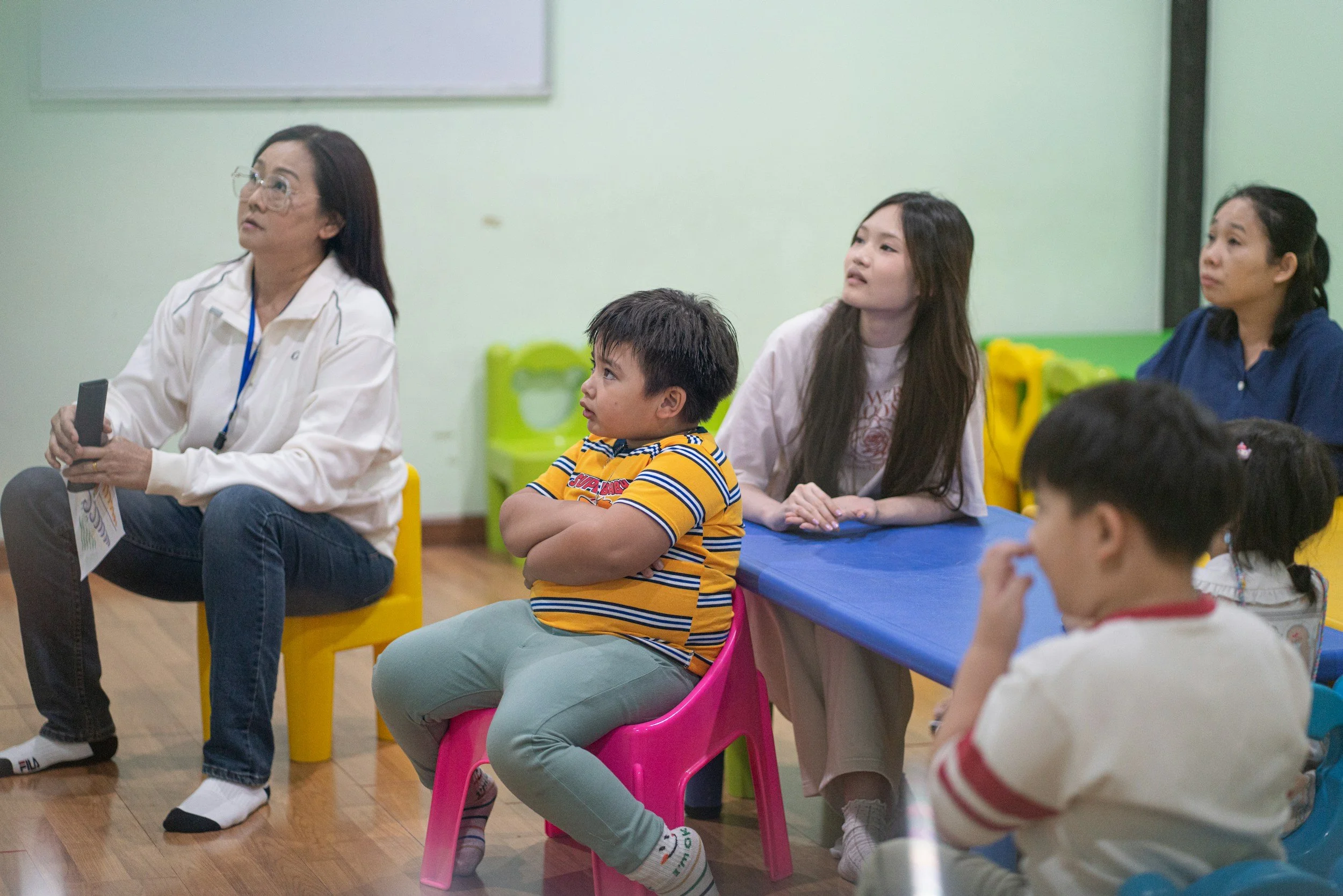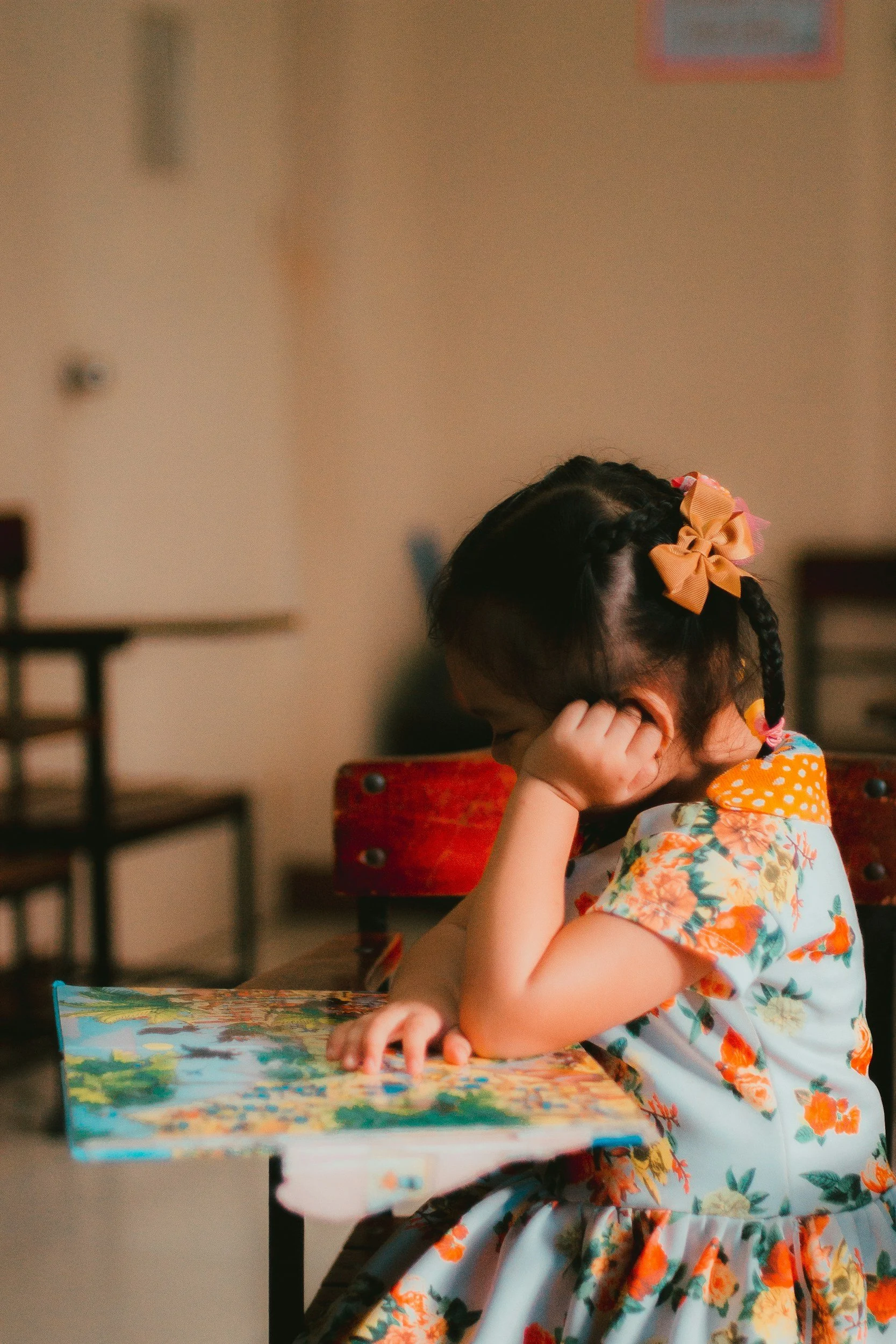
With the new academic year approaching, many families across Dubai are asking the same question: is my child truly ready for school? School readiness is about far more than knowing letters and numbers. It is a blend of language, motor, social and emotional skills that allows a child to participate, learn and thrive in the classroom. Understanding these foundations helps parents in the UAE spot both strengths and areas where a little extra support could make the first year of school far smoother.
School readiness describes a child's ability to cope with the everyday demands of a classroom environment. It includes communication skills (understanding instructions and expressing needs), fine motor skills (holding a pencil, using scissors), gross motor skills (sitting upright, climbing stairs, playing outdoors), self-care (toileting, opening a lunchbox) and social-emotional regulation (separating from parents, taking turns, managing frustration). No child is expected to master everything before day one, but a broad base across these areas gives children the confidence to engage with learning rather than struggle with the environment itself.
By around four years of age, most children can speak in sentences of four or more words, follow two- or three-step instructions, draw simple shapes, dress with minimal help and play cooperatively with other children. By five, many can retell a simple story, count everyday objects, hop on one foot and manage the toilet independently.
These milestones are guides rather than deadlines — children develop at different rates, and bilingual children in multicultural cities like Dubai may mix languages while their overall communication develops perfectly well. What matters is steady progress. If skills seem to plateau or a child avoids certain activities altogether, it is worth a closer look.
Classroom learning is delivered almost entirely through language, which makes speech and language development central to school readiness. A school-ready child can typically follow instructions given to the whole group, answer simple questions, ask for help and make themselves understood by unfamiliar adults.
Parents can build these skills at home by narrating daily routines, reading picture books together every day, and giving children time to respond rather than finishing sentences for them. If your child is difficult to understand, uses far fewer words than peers, or becomes frustrated when communicating, a speech and language assessment can identify exactly where support is needed — and early support is consistently more effective than waiting.
Handwriting readiness begins long before a child writes a single letter. Strong fine motor development grows out of play: threading beads, building with blocks, using playdough, and drawing with chunky crayons all strengthen the small muscles of the hand. Equally important are gross motor foundations — core strength and postural control allow a child to sit at a table and attend to a task without slumping or fidgeting excessively. Occupational therapy can help children who find these skills difficult, including children with sensory processing differences who may be distracted or overwhelmed by the noise, movement and textures of a busy classroom.
For many families, the biggest hurdle is emotional rather than academic. Starting school means separating from parents, adapting to new routines and coping with a room full of unfamiliar children. Parents can prepare gradually: practise short separations with trusted adults, visit the school beforehand, talk positively about what to expect, and establish predictable morning routines well before term begins. Children who experience intense, prolonged distress at separation, frequent meltdowns, or significant anxiety may benefit from support with emotional regulation — skills that can be taught and practised, often with guidance from a child psychologist.
Trust your instincts. If you have persistent concerns about your child's speech, motor skills, attention, social interaction or behaviour, an assessment with a qualified therapist provides clarity — and often reassurance. Early intervention during the preschool years takes advantage of the brain's remarkable capacity to learn, and even a short block of therapy before school starts can transform a child's confidence. Families in Dubai have access to multidisciplinary support, including speech therapy, occupational therapy, ABA therapy and clinical psychology, often working together around a single child's needs.
At what age should my child be ready for school in the UAE?
Children in the UAE typically begin FS1 around age three and FS2 around age four, with Year 1 starting at five or six. Readiness varies by child, so focus on your child's individual development rather than age alone.
My child speaks two languages and mixes them. Is that a problem?
No — code-mixing is a normal part of bilingual development. However, if your child has limited vocabulary in both languages combined, or struggles to communicate in any language, an assessment is sensible.
What if my child isn't toilet trained before school starts?
Many schools expect children to be toilet trained by FS2. If training has stalled, start early with a consistent routine. An occupational therapist can help if sensory or motor difficulties are contributing.
Can therapy really make a difference in just a few months?
Yes. Targeted, goal-based therapy over a school term can produce meaningful gains in communication, motor skills and regulation — particularly in young children, whose brains are highly responsive to intervention.
How do I know whether the issue is development or just personality?
A shy child who warms up with time is different from a child who consistently cannot engage. Professionals distinguish temperament from developmental difficulty using structured observation and standardised assessment.
Every child deserves to begin school feeling capable and confident. If you would like a professional view of your child's school readiness, our multidisciplinary team in Al Jaddaf is here to help. Call us on +971 52 600 4107, email bloom@bloombeyond.me, or visit us at 601, 602 & 701 Al Nastaran Tower, Al Jaddaf Waterfront, Dubai to book an assessment before the new term begins.


.png)

.png)

.png)
.png)
.png)
.png)