Few moments melt a parent's heart quite like hearing their child's first word. Language is how our children share their thoughts, ask for what they need, make friends, and tell us about their day. Yet every child develops at their own pace, and it is natural to wonder whether your little one is on track, or whether a quiet patch is something to keep an eye on. For families across Dubai, where many children grow up surrounded by more than one language, these questions can feel even more layered.
This guide offers a warm, practical overview of how speech and language typically develop, the gentle signs that may suggest a child could benefit from extra support, and how speech and language therapy can help. The aim is to reassure, not to worry, and to help you feel confident about when to simply wait and when to reach out.
It helps to understand a small but important distinction. Speech refers to the physical act of producing sounds: how clearly a child pronounces words and strings sounds together. Language, meanwhile, is broader. It covers understanding what others say, known as receptive language, and using words and sentences to express ideas, known as expressive language.
A child might have lovely clear speech but struggle to follow instructions, or have plenty to say while finding certain sounds tricky. Both areas matter, and a good assessment looks at the whole picture rather than any single sign in isolation.
While no two children are identical, there are broad patterns that can offer gentle reassurance. By around twelve months, many children say their first recognisable words and respond to their own name. Between eighteen and twenty-four months, vocabulary often grows quickly, and toddlers begin joining two words together, such as "more juice" or "daddy gone".
By the age of three, most children speak in short sentences and can be understood by familiar adults much of the time. By four to five, they typically tell little stories, ask endless questions, and are understood by people outside the family. Remember, these are signposts rather than strict deadlines. A child who reaches a milestone a little later is not necessarily a cause for concern, but persistent or widening gaps are worth a conversation.
Certain patterns suggest that a chat with a professional could be helpful. These include limited babbling in infancy, very few words by around eighteen months to two years, or difficulty understanding simple instructions. You might notice a child who rarely points or gestures to communicate, who becomes frustrated when trying to make themselves understood, or whose speech is unusually difficult for others to follow by the age of three.
Other signs include a loss of words or skills the child previously had, a stammer that persists or worsens, or little interest in interacting with others. None of these means something is definitely wrong, but they are good reasons to seek a friendly, professional opinion rather than waiting and hoping.
Many families in Al Jaddaf and across the UAE raise their children with Arabic, English, and sometimes other languages too. A common worry is that bilingualism causes speech delays. Reassuringly, research is clear that growing up with more than one language does not cause language disorders, and children are wonderfully capable of learning several languages at once.
Bilingual children may mix languages in a single sentence, or appear stronger in one language than another, and both are entirely normal. A genuine language difficulty will show up across all of a child's languages, not just one. A speech and language therapist experienced with multilingual families can assess a child fairly, taking their full language environment into account.
Speech and language therapy is far more than correcting pronunciation. A therapist begins by understanding how a child communicates, then designs playful, tailored activities that build skills step by step. For a toddler, this might look like games that encourage first words. For an older child, it could involve practising tricky sounds, building sentences, or learning to follow and tell stories.
Crucially, therapy supports the people around the child too. Parents learn simple, powerful strategies to weave into everyday life, from narrating daily routines to offering choices that invite a response. Where helpful, therapists may introduce gestures, pictures, or other tools to ease frustration while spoken language develops. The result is not only clearer communication, but a more confident, connected child.
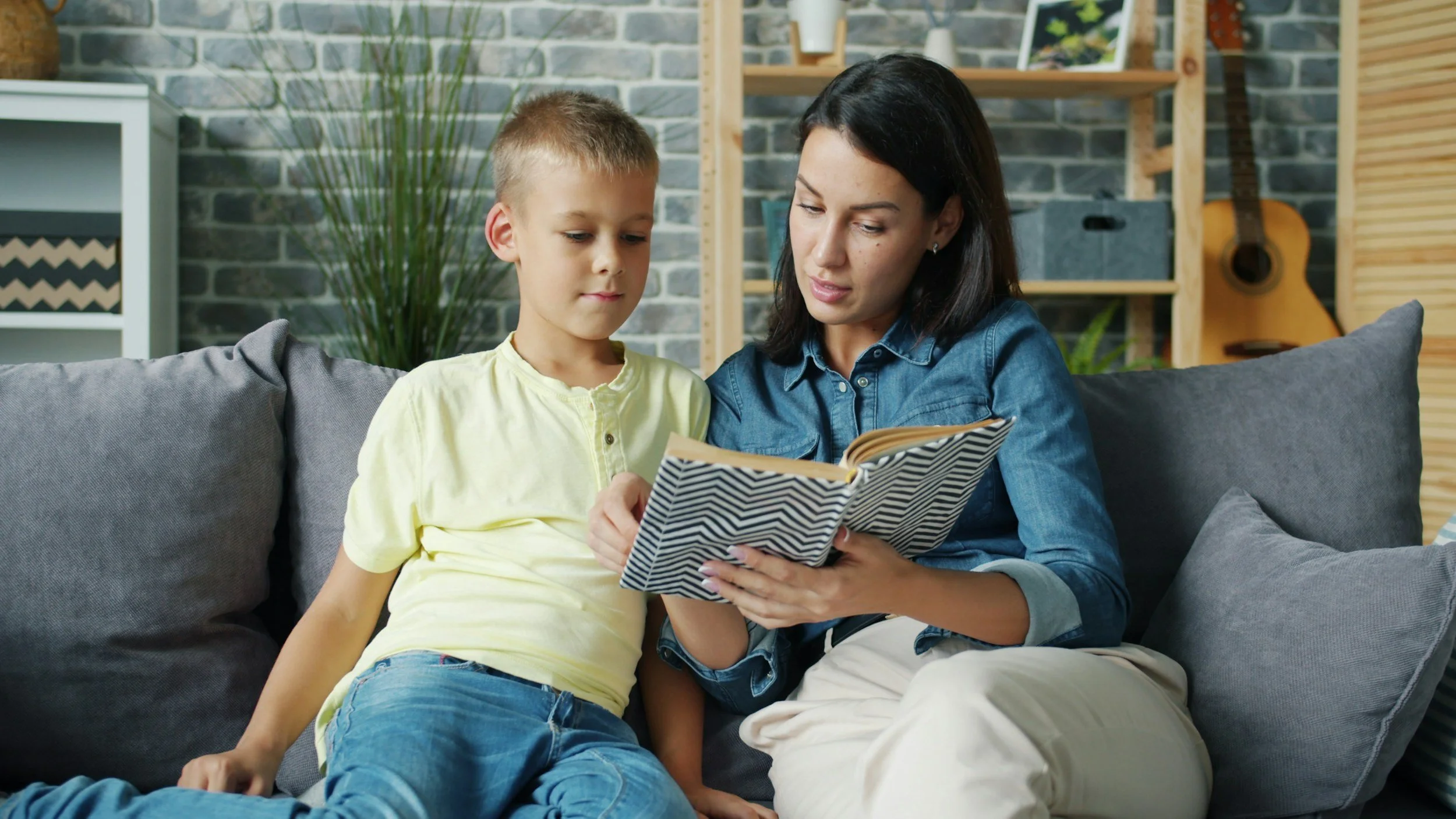
There is a great deal families can do every day. Talking through ordinary moments, such as describing what you are cooking or seeing on a walk, gives children a rich stream of words to absorb. Reading together, even for a few minutes, is one of the most powerful gifts you can offer. Singing songs and nursery rhymes builds rhythm and sound awareness, while pausing to give your child time to respond shows them their words matter.
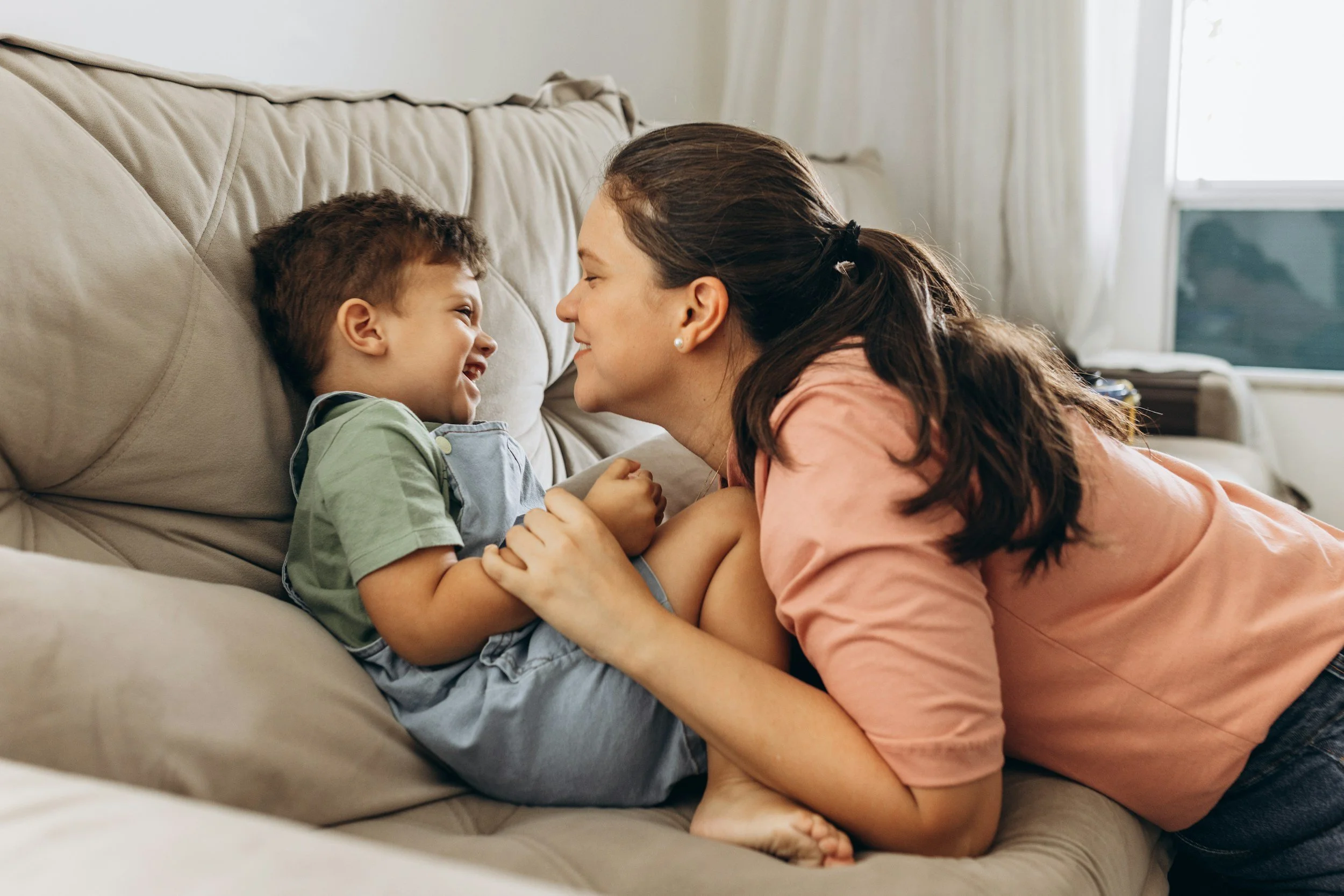
Following your child's lead in play, and commenting rather than constantly questioning, also works wonders. The goal is warmth and connection, not pressure, so keep it light and enjoyable for both of you.
My child is a late talker but seems to understand everything. Should I worry?
Strong understanding is a very encouraging sign. Some children are simply late to speak and catch up beautifully. Even so, if expressive language remains limited, a brief assessment can offer peace of mind and early support if needed.
Will raising my child bilingually delay their speech?
No. Bilingualism does not cause speech or language disorders. Children are well able to learn multiple languages, and any genuine difficulty would appear across all of them.
At what age can speech therapy begin?
Speech and language therapy can start in the toddler years and is often most effective when begun early, while communication skills are rapidly developing. That said, children of all ages can benefit.
Is a stammer something my child will grow out of?
Many young children have brief periods of disfluency that resolve naturally. However, if a stammer persists for several months, worsens, or causes your child distress, it is wise to seek advice sooner rather than later.
How do I know if it is a delay or just my child's personality?
This is exactly what an assessment is for. A speech and language therapist can distinguish a quiet temperament from a genuine difficulty and advise you with clarity and kindness.
If you have noticed any of the signs described here, or you simply have a quiet feeling that your child could use a little support to find their voice, reaching out early is one of the most loving steps you can take. Communication opens the door to learning, friendship, and confidence, and the right help can make all the difference.
To arrange a friendly conversation or book an assessment, contact us on +971 52 600 4107 or bloom@bloombeyond.me, or visit us at 601, 602 and 701 Al Nastaran Tower, Al Jaddaf Waterfront, Dubai. Every child deserves the chance to bloom, and to be heard.



.png)

.png)

.png)
.png)
.png)
.png)