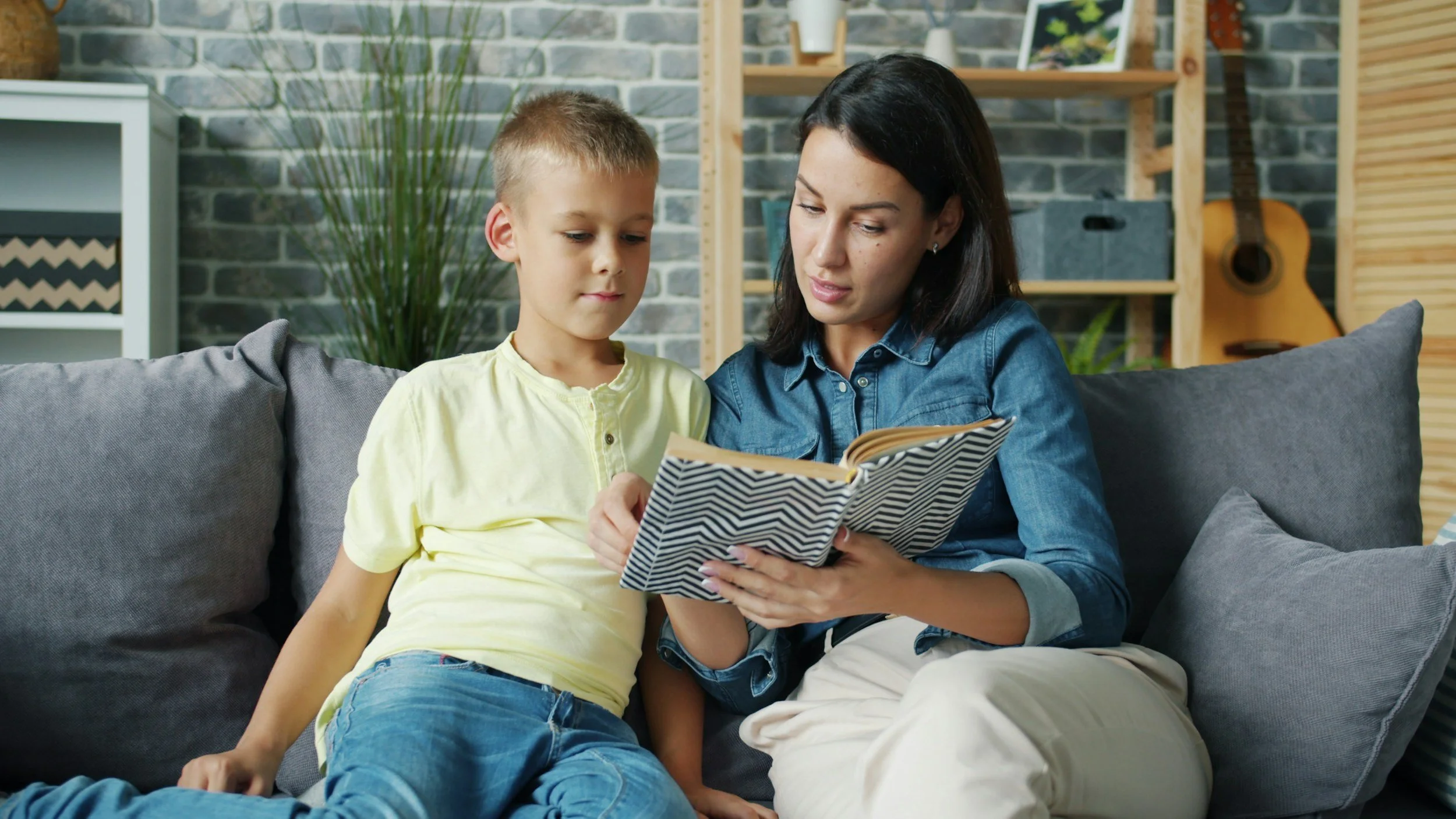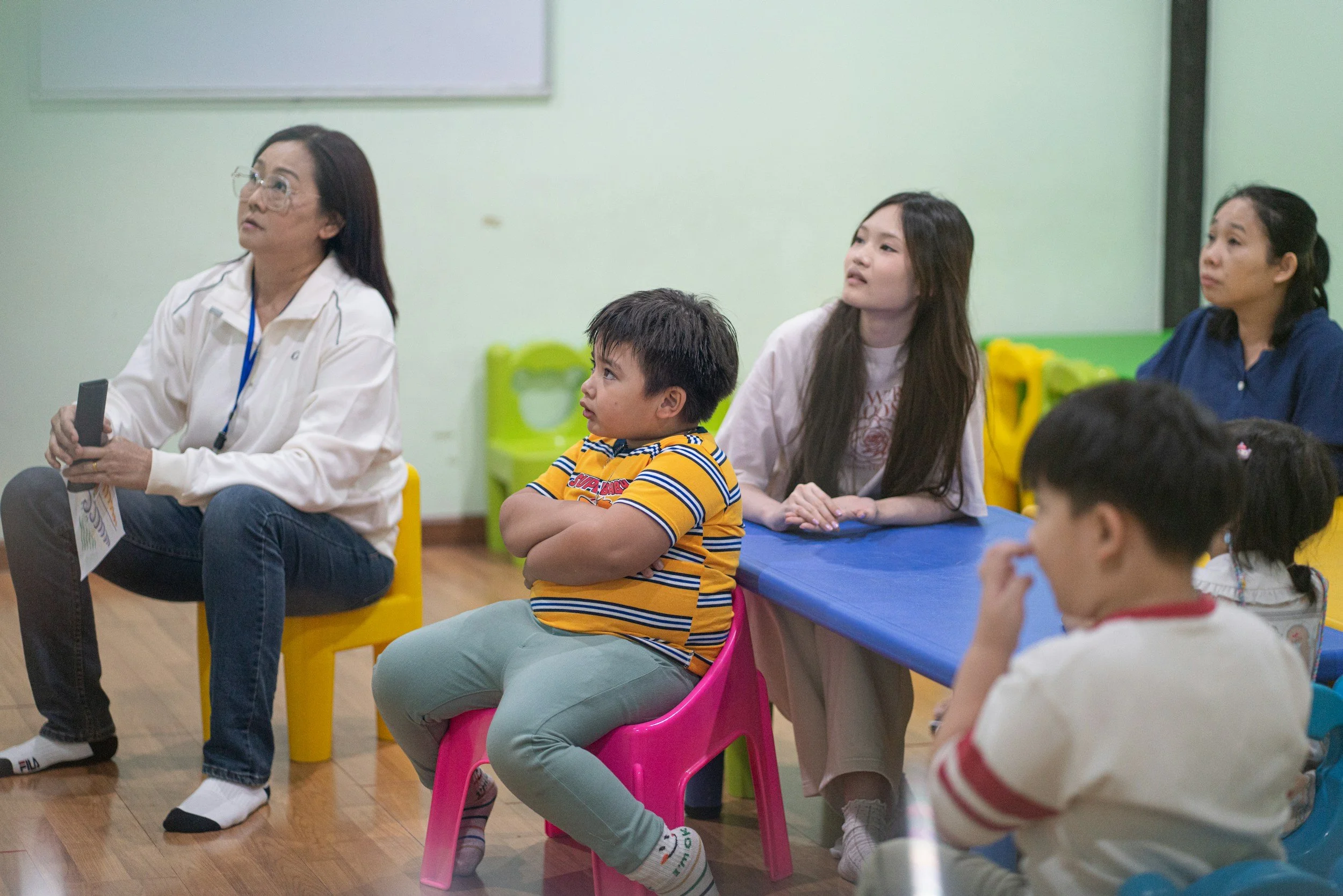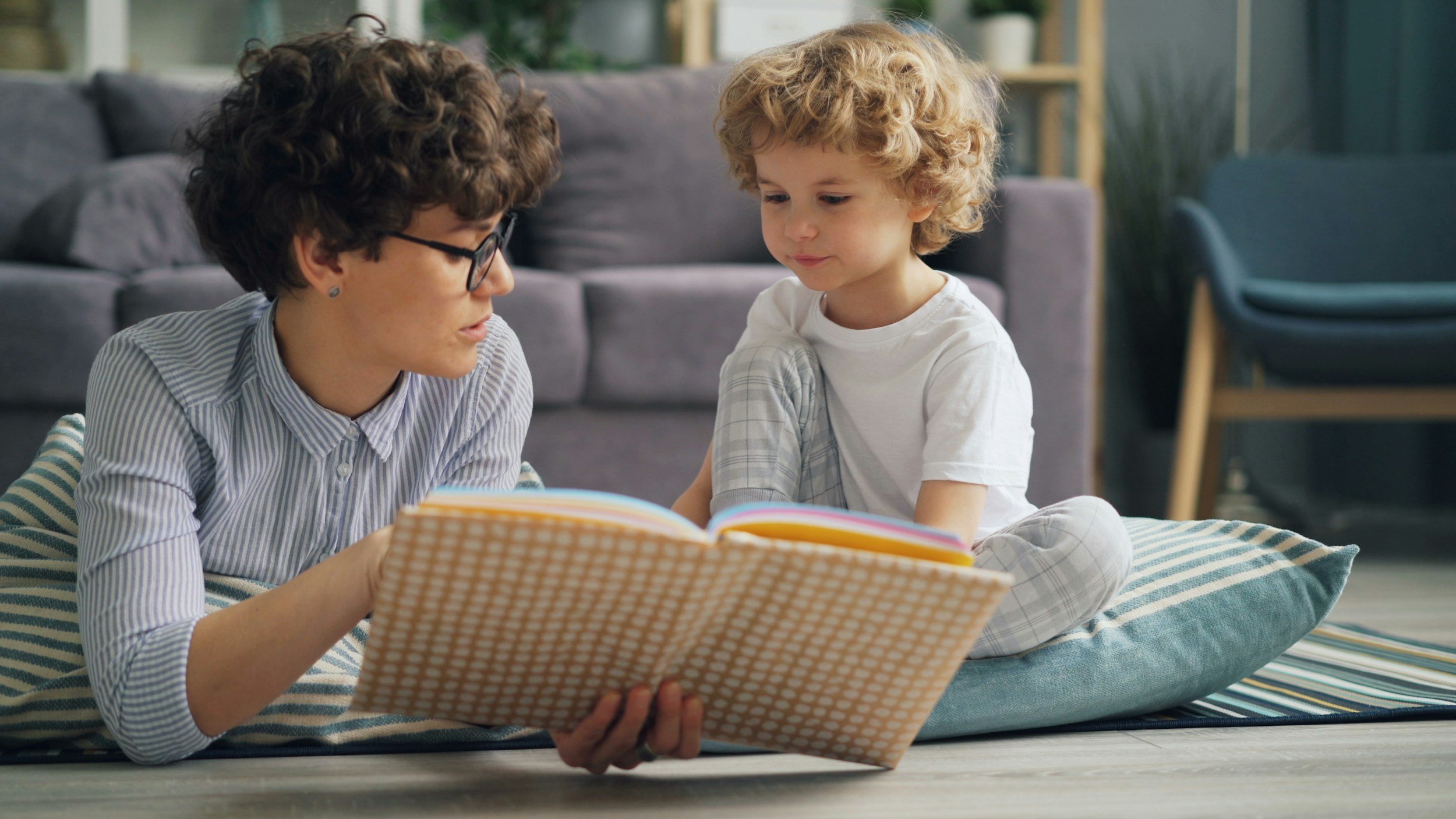
In Dubai, hearing a toddler chatter in Arabic at breakfast, switch to English at preschool, and end the day with bedtime stories in Hindi, Tagalog, or French is wonderfully ordinary. Our city is home to more than 200 nationalities, and many young children grow up navigating two or three languages before they can tie their shoes. It is one of the most enriching parts of raising a family here, and also one of the most misunderstood.
Parents often ask the same questions in our clinic. Will my child fall behind because we speak two languages at home? Is mixing words a sign of confusion? Should we drop a language to help her catch up? The short answer is reassuring. Children’s brains are beautifully designed to handle multiple languages. The longer answer, the one every multilingual family deserves, is this: knowing what is typical, what is not, and when a speech and language pathologist can help makes all the difference.
Decades of research on multilingual children show that growing up with two or more languages does not cause speech or language delays. Bilingual children typically reach the same major milestones as their monolingual peers, although they may distribute their vocabulary across languages. A two year old who knows fifty words in English and fifty words in Arabic has the same total expressive vocabulary as a peer who knows one hundred words in only one language.What changes is how the vocabulary is organized in the brain. Bilingual children build separate but connected language systems. They learn quickly to choose the right language for the right person and setting, a skill called pragmatic switching. Far from being a deficit, this is a sophisticated cognitive ability that is linked to stronger executive function, better attention control, and even protective effects against cognitive decline later in life.
Even well meaning friends and family pass along myths that can leave parents second guessing their bilingual journey. Three of the most common ones come up often in our sessions.
The first myth is that bilingualism causes language delay. It does not. If a child has a true language delay, it shows up in both languages, not only one.
The second myth is that code mixing means confusion. When your three year old says, Mama, look at the sayyara, it is red, she is not confused. She is using both languages strategically to share a complete idea. Adults do this too. Code mixing is a normal feature of healthy bilingual communication.
The third myth is that one language should be dropped to help the child catch up. Removing a language a child hears at home actually weakens family communication and can harm emotional bonding without solving any speech or language issue. The right approach is to support both languages thoughtfully.
Every child develops on their own timeline, yet there are reassuring patterns that point to healthy bilingual growth. Between twelve and eighteen months, expect first words across either language. Between eighteen and twenty four months, expect a vocabulary spurt and the beginnings of two word combinations like more juice or habibi gone. By age three, expect simple sentences, more questions, and increasing back and forth conversation. By age five, expect fluent conversation in the home language and growing fluency in the school language.
If your child appears to be following this pattern across their combined languages, you are likely doing wonderfully. Bilingual development unfolds. It just unfolds across more than one channel.
A speech and language difficulty in a bilingual child looks similar to a difficulty in a monolingual child, yet parents and teachers can miss it because they assume the issue is the second language. A qualified speech and language pathologist looks for signals that appear in both languages, not only one.
Watch for delayed first words past eighteen months, very limited combined vocabulary, no two word phrases by age two, difficulty understanding simple instructions in the home language, frequent frustration when communicating, persistent unclear speech past age four, social withdrawal during play with peers, regression in any language, or a strong family history of speech or language difficulties.
If two or more of these signs are present, an evaluation is wise. Early support reshapes outcomes in remarkable ways.
At Bloom Beyond, our speech and language therapists begin with a thorough multilingual assessment. We never evaluate only the school language. We look at expressive and receptive ability in every language the child uses, often with the help of parents, caregivers, and trained interpreters. This protects against the most common mistake in the field, which is misdiagnosing a typical bilingual learner as language delayed simply because their English is still emerging.
Therapy is then designed around the family’s real life. We coach parents to read, narrate routines, and play in the home language because that is where vocabulary depth and emotional safety grow most quickly. We also work in the school language to support classroom success. The goal is always two strong systems, not one.
Sessions often blend play based therapy, structured language tasks, social communication practice, and parent training. For children with Autism Spectrum Disorder, Developmental Language Disorder, or apraxia of speech, the approach is even more individualised, drawing on evidence based methods like the Hanen approach, PROMPT, and visual language strategies.
Parents can do a lot at home that supports both languages and builds a strong foundation for therapy when it is needed.
Choose a clear language pattern. The one parent, one language method or the minority language at home method both work. Consistency matters more than which method you pick.
Make the home language rich. Read picture books, sing songs, tell family stories, and label everyday objects. Heritage languages thrive on warmth and repetition.
Limit passive screen time. Children learn language through interaction, not videos. A short story read aloud builds more vocabulary than an hour of cartoons.
Celebrate code mixing as a strength rather than a mistake. Gently model the full sentence in one language without correcting harshly.
Talk to your child’s teacher about all the languages spoken at home. Schools in Dubai are often very supportive when they understand a child’s full linguistic picture.
If you are worried, do not wait. An early evaluation is not a label. It is information that gives your family clarity and a clear path forward.
Bloom Beyond Enabling provides multilingual speech and language therapy in Dubai for children from age two through adolescence. Our team includes therapists who assess and treat across English, Arabic, Hindi, and other languages with the help of trained interpreters when needed. We collaborate closely with paediatricians, schools, and families to build a complete picture and a plan that fits your child.
If your child has been late to talk, hard to understand, struggles to follow instructions, or finds social communication exhausting, our team can help you understand what is happening and what supports will move things forward. We also welcome second opinion consultations for families who have received conflicting advice elsewhere.
Will my child be confused if we speak two or three languages at home? No. Children’s brains are wired to sort languages efficiently from infancy. The wider question is whether your child is communicating effectively in each language they hear regularly.
At what age should my bilingual child be saying first words? Most children say first words between twelve and fifteen months. Bilingual children follow the same timeline.
What if my child has more words in one language than another? That is typical. Vocabulary often follows exposure. A child who spends more time in English at preschool will likely have more English words, while the home language carries the deeper emotional vocabulary.
Should I worry if my child mixes languages? No. Code mixing is normal at every age. It signals flexibility, not confusion.
When should I book a speech therapy assessment? If you notice persistent delays in both languages, very limited word use by age two, unclear speech past age four, or rising frustration around communication, an evaluation will give you clarity.
We believe every child deserves to be understood in every language they call their own. Our speech and language therapy team in Dubai supports bilingual and multilingual children with personalised, evidence based care that respects every language at home and at school.
Book a consultation with Bloom Beyond Enabling today by messaging us on WhatsApp at +971 52 600 4107 or emailing bloom@bloombeyond.me. Your child’s voice deserves every chance to flourish, in every language they love.



.png)

.png)

.png)
.png)
.png)
.png)