For many parents, the phrase “occupational therapy” can be a little puzzling. After all, young children do not have jobs, so what exactly is being treated? In the world of paediatric therapy, a child’s “occupation” is simply the meaningful work of childhood: playing, learning, dressing, eating, writing and making friends. Occupational therapy (OT) helps children develop the skills they need to take part fully in these everyday activities. For families across Dubai, it can be a transformative form of support that builds not only practical ability but lasting confidence and independence.
Occupational therapy looks at the whole child and the everyday tasks they find challenging. A paediatric occupational therapist assesses how a child moves, coordinates, processes information and manages daily routines, then designs a tailored programme to strengthen the underlying skills. Crucially, OT does not simply focus on a difficulty in isolation; it considers the child’s home, nursery or school environment and the way these settings shape their experience.
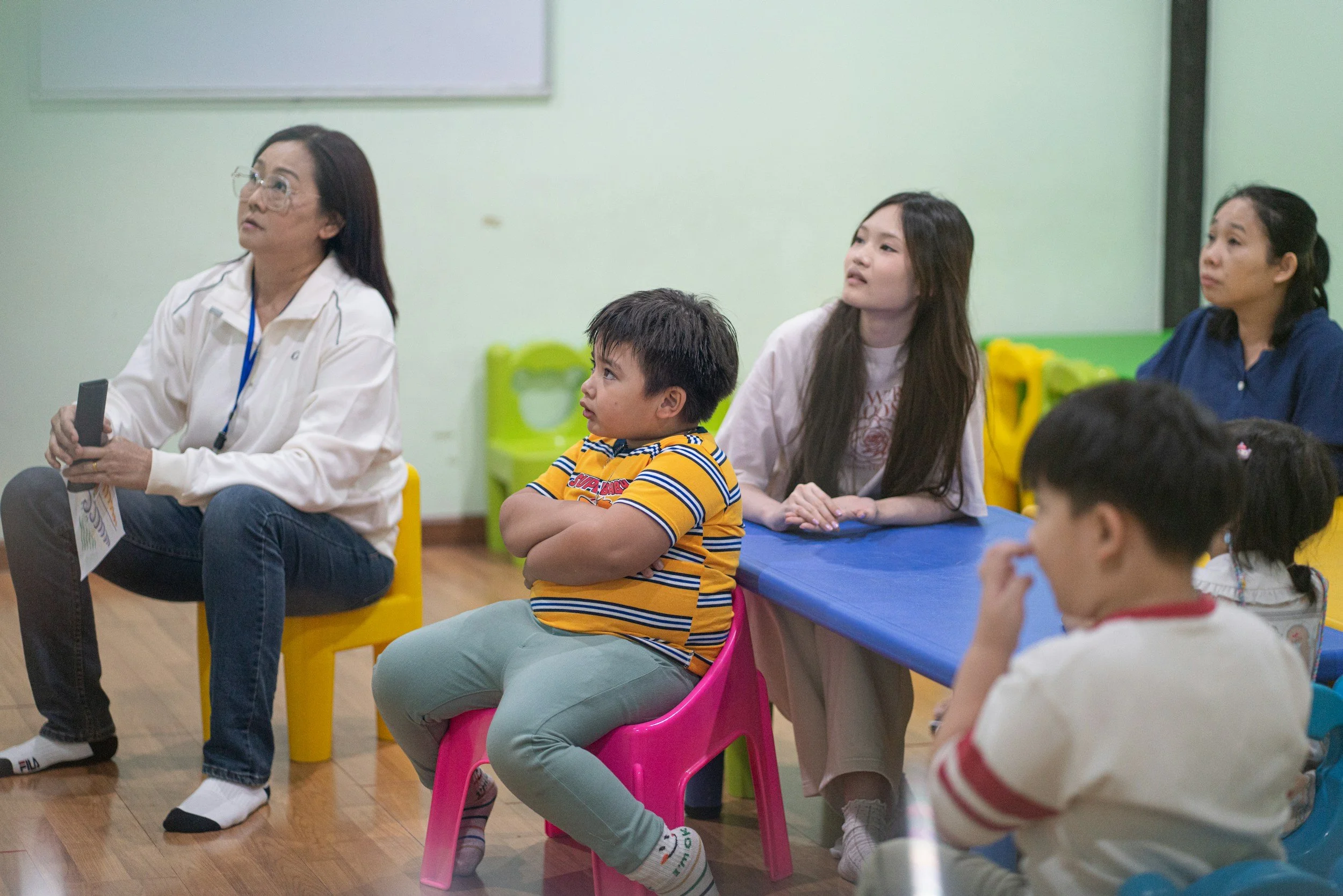
Sessions are usually playful and child-led, because play is how children learn best. Behind the fun, however, sits careful clinical reasoning. An activity that looks like a simple obstacle course might be developing balance, motor planning and body awareness, while a craft task could be building the hand strength and coordination a child needs for writing.
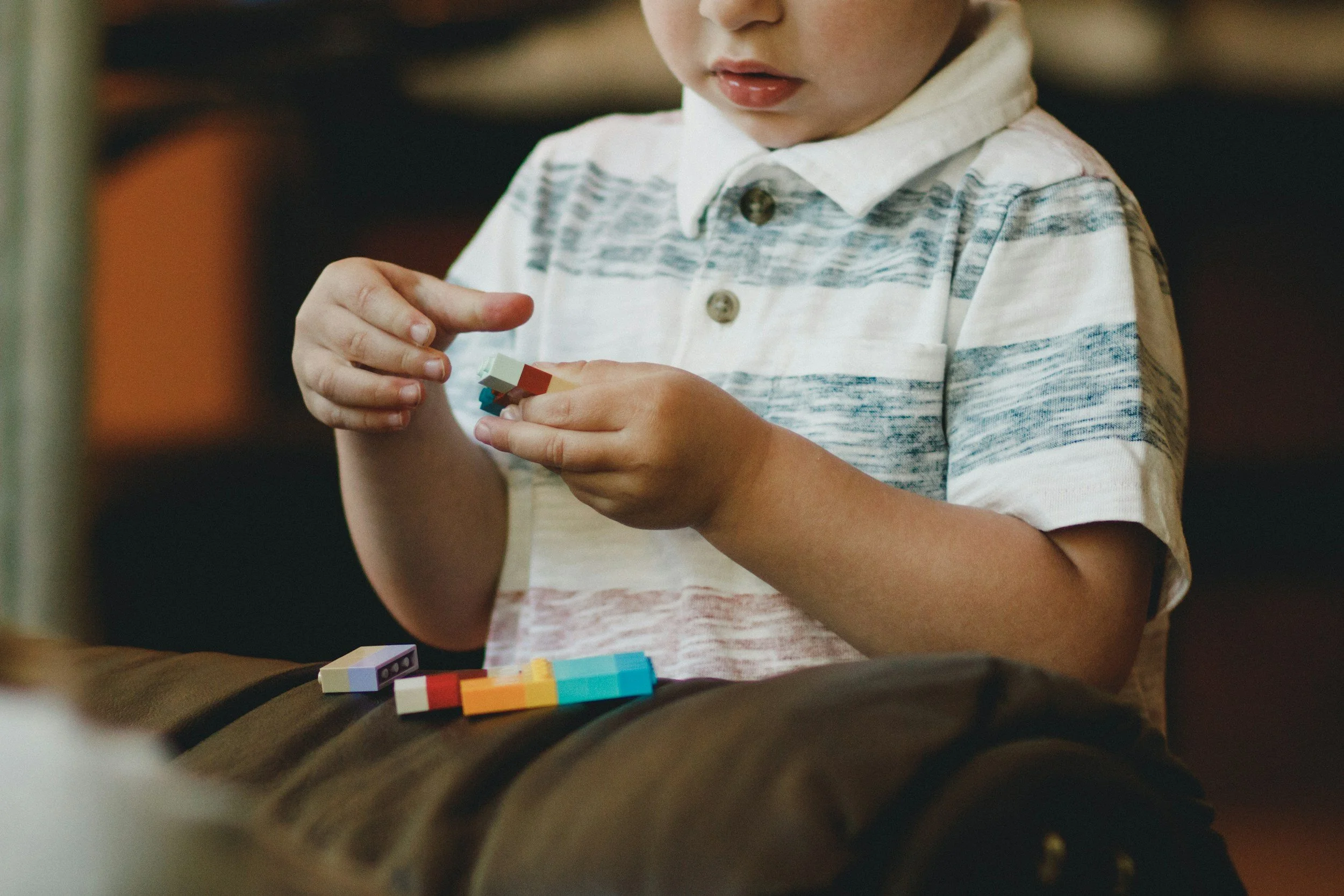
One of the most common reasons families seek occupational therapy is difficulty with fine motor skills, the small, precise movements of the hands and fingers. These skills underpin everyday tasks such as doing up buttons, using cutlery, opening lunchboxes and, importantly, handwriting. A child who struggles to hold a pencil comfortably or who tires quickly when writing may find school increasingly frustrating.
An occupational therapist can identify whether the challenge stems from hand strength, grasp, coordination or visual-motor integration, and then build these abilities step by step. Improving fine motor control often has a knock-on effect on a child’s self-esteem, as everyday tasks that once felt impossible gradually become manageable.
While fine motor skills involve small movements, gross motor skills rely on the larger muscles of the body and enable activities such as running, jumping, climbing and balancing. Children with delayed gross motor development may appear clumsy, avoid physical play, or find it hard to keep up with their peers in the playground.
Through targeted, enjoyable activities, occupational therapy helps children build core strength, stability, posture and coordination. These foundations matter far beyond sport; good postural control, for example, allows a child to sit comfortably at a desk and concentrate on learning rather than on simply staying upright.
A great deal of occupational therapy focuses on the practical routines that make up family life, often described as activities of daily living. These include dressing, toileting, washing, eating and tidying away belongings. For some children, particularly those with developmental differences, these tasks can be genuinely challenging and may create stress for the whole household.
By breaking each task into manageable steps and practising them in a supportive way, an occupational therapist helps children become more independent. The goal is not perfection but progress, so that a child can participate more fully in their own routines and feel a real sense of accomplishment. Parents in Al Jaddaf and across the UAE often tell us that these gains ripple outwards, easing morning routines and building family confidence.
Occupational therapy also plays an important role in helping children engage with learning. Many children who find it hard to sit still, follow instructions or stay focused are not being difficult; they may be struggling to regulate their bodies and attention. An occupational therapist can introduce strategies and sensory supports that help a child feel calm, alert and ready to learn.
This might involve movement breaks, fidget tools, or adjustments to the learning environment. When children are better able to self-regulate, they are far more able to absorb information, complete tasks and enjoy school. This is why occupational therapy frequently works hand in hand with speech therapy, clinical psychology and other services as part of a coordinated plan.
How do I know if my child needs occupational therapy?
Signs may include difficulty with handwriting or using cutlery, frequent clumsiness, trouble with dressing or self-care, sensitivity to textures or sounds, or struggles with attention and routines. A professional assessment can clarify whether OT would help.
At what age can a child start occupational therapy?
Children of almost any age can benefit, from toddlers through to teenagers. Early support is often particularly effective, but it is never too late to build new skills.
Does my child need a diagnosis first?
No. Occupational therapy supports children with a wide range of needs, and many benefit without any formal diagnosis. An assessment focuses on your child’s specific strengths and challenges.
What happens in an occupational therapy session?
Sessions are typically playful and engaging, using games and activities chosen to develop particular skills. Therapists also share practical strategies for use at home and school.
How long will my child need therapy?
This varies from child to child. Some make rapid progress, while others benefit from longer-term support. Goals are reviewed regularly so that therapy always reflects your child’s evolving needs.
Occupational therapy is, at its heart, about helping children take part in the activities that matter to them, whether that is writing their name, tying their shoelaces or simply joining in at the playground. With patient, skilled and compassionate support, children can build the everyday skills that lead to greater independence, confidence and joy. If you have noticed that your child finds certain daily tasks more difficult than expected, a professional assessment can be a reassuring and empowering first step.
To learn more or to arrange an assessment, please contact our experienced team on +971 52 600 4107 or bloom@bloombeyond.me, or visit us at 601, 602 & 701 Al Nastaran Tower, Al Jaddaf Waterfront, Dubai.



.png)

.png)

.png)
.png)
.png)
.png)