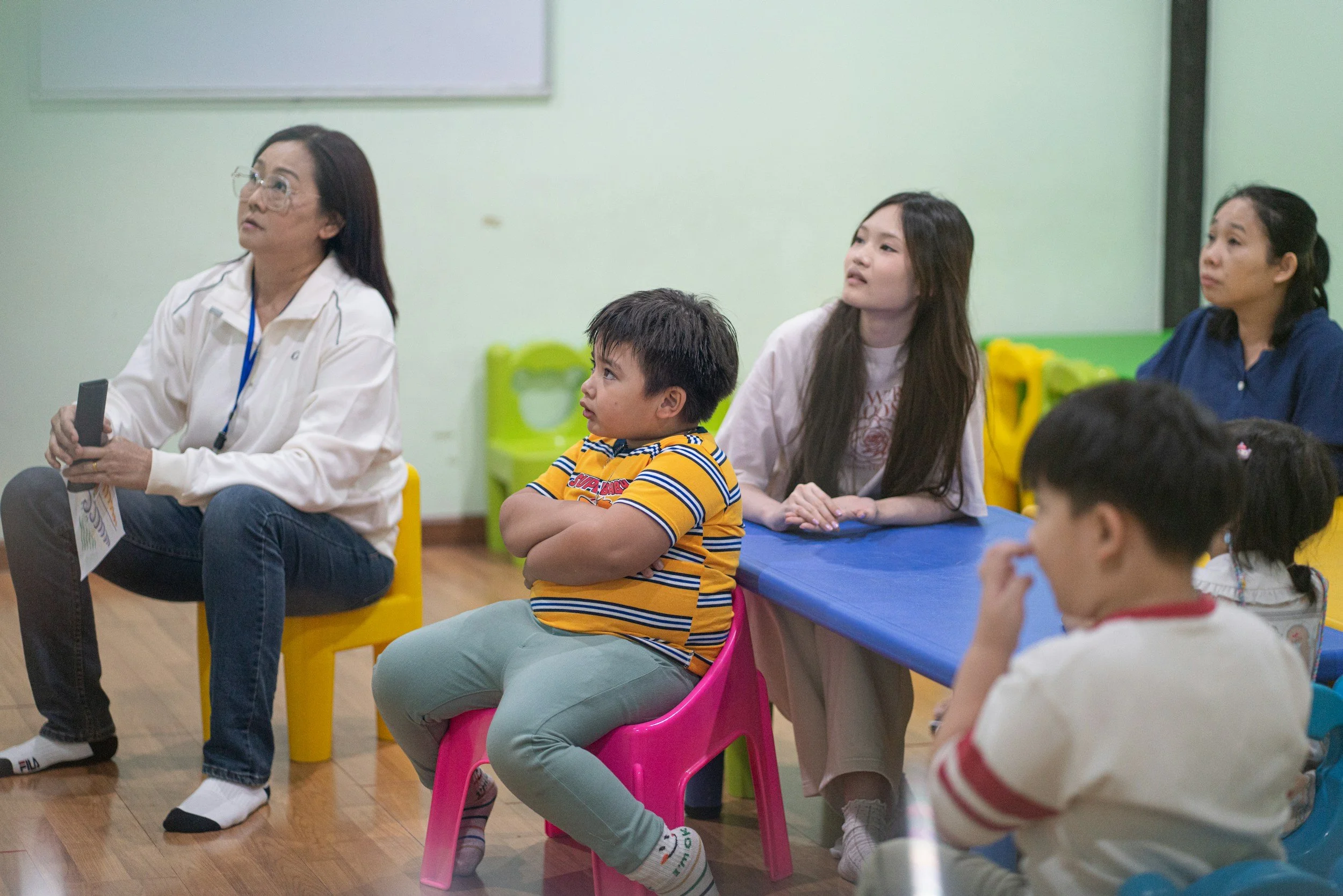
Few cities in the world are as linguistically rich as Dubai. In a single nursery classroom you might hear Arabic, English, Hindi, Tagalog, French and Russian — often from the same child's family. For parents raising children in this wonderfully multilingual environment, questions about speech and language development come up constantly. Will two languages confuse my child? Is my toddler talking late because we speak three languages at home? Should we drop our home language and stick to English? This article addresses these questions with what the research actually says, and explains when it may be worth consulting a speech and language therapist in Dubai.
Let us begin with the most important message: decades of research are clear that bilingualism does not cause speech or language delay. Children have a remarkable capacity to learn two or more languages simultaneously, and multilingual children reach the major language milestones — first words around twelve months, two-word combinations around two years — on broadly the same timetable as monolingual children.
What can look different is how vocabulary is distributed. A bilingual three-year-old may know some words in Arabic and others in English, and if you count only one language, their vocabulary may appear small. Counted across both languages, however, it is typically comparable to that of a monolingual peer. This is why proper assessment of multilingual children must always consider every language the child hears and uses.
Certain features of multilingual development worry parents unnecessarily. Code-switching — mixing words from two languages in one sentence, such as "I want halib" — is completely normal and is actually a sign of growing skill in both languages, not confusion. A silent period is also common when a child is newly immersed in a second language, for example when starting an English-medium nursery in the UAE; many children spend weeks or months listening and absorbing before they speak much in the new language.
It is also entirely normal for one language to be stronger than the other, and for the balance to shift over time as school, friendships and family routines change. None of these patterns indicates a disorder.
While bilingualism itself is never the cause of a true language difficulty, multilingual children can have speech and language disorders at the same rate as any other children — and a genuine difficulty will show up in every language the child speaks, not just one. It is worth seeking professional advice if your child has no words by 16 months, is not combining two words by age two and a half, is difficult to understand at age three even for familiar family members, loses words or skills they previously had, struggles to follow simple instructions in the family's home language, or shows frustration when trying to communicate.
The key principle: compare your child with what they can do in their strongest language and environment. If communication is hard everywhere, do not wait — early intervention makes an enormous difference, and support is readily available in Dubai.
One of the most common and most damaging myths is that families should stop speaking their home language to help a child with delayed speech. Research says the opposite. Children learn language best from parents who speak naturally, richly and confidently — which usually means the language of your heart, not your second or third language.
Your home language also carries identity, family bonds and connection with grandparents and community. For children in the UAE's international environment, maintaining Arabic, Urdu, Malayalam, Tagalog or any home language alongside English is an asset for life, cognitively and culturally. If your child needs speech therapy, a good therapist will work with your family's languages, not against them.
A qualified speech and language therapist begins with a detailed case history covering every language your child hears — at home, at nursery, with helpers and extended family. Assessment tools are chosen and interpreted carefully so that a bilingual child is never misdiagnosed simply for developing across two languages.
Therapy itself is play-based and family-centred. Parents are coached in practical strategies — modelling, expanding on the child's words, building routines around books and songs — that work in any language you speak at home. Here in Al Jaddaf, our multidisciplinary team also collaborates across occupational therapy, ABA therapy and clinical psychology when a child's communication needs are part of a broader developmental picture.
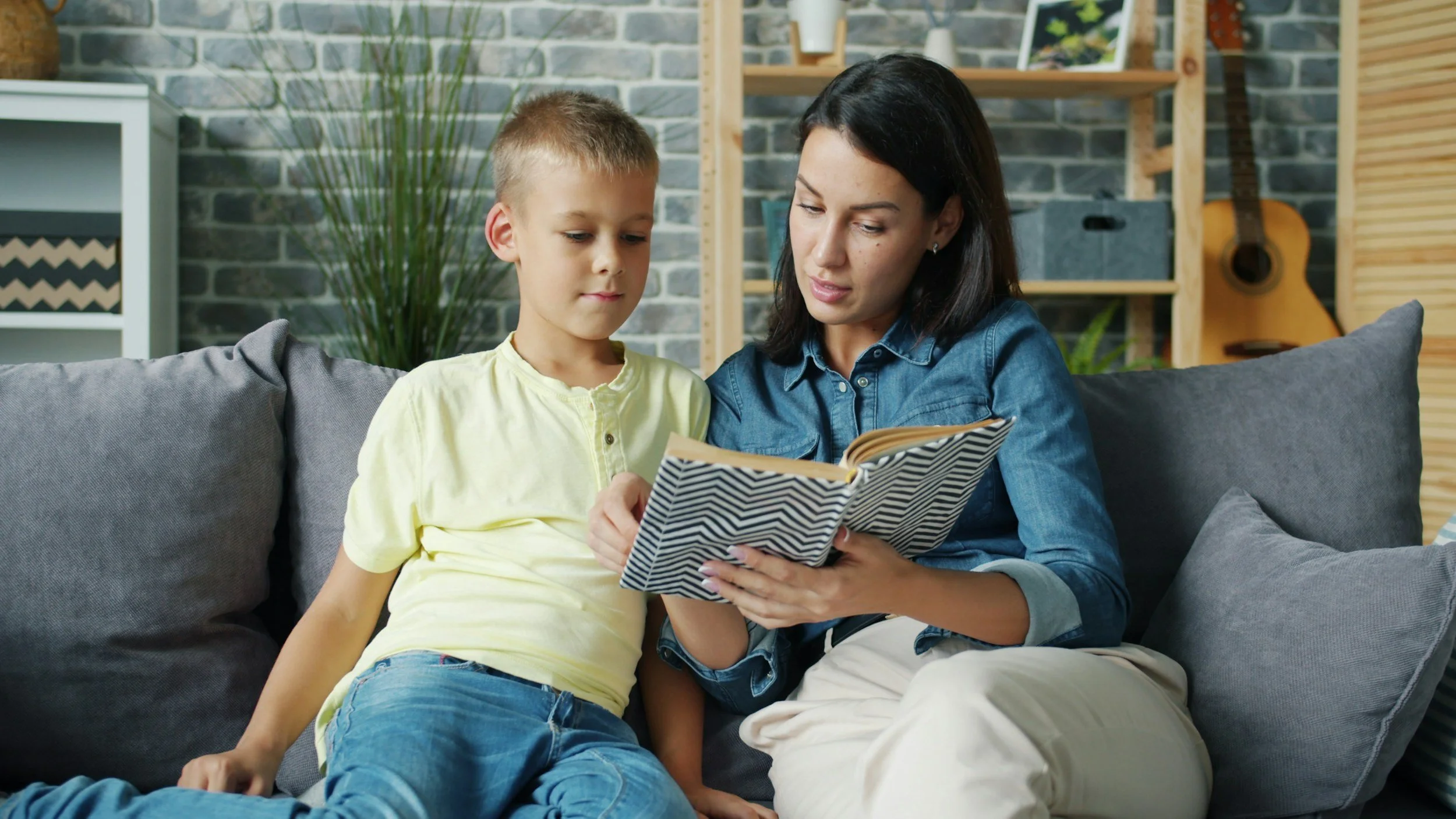
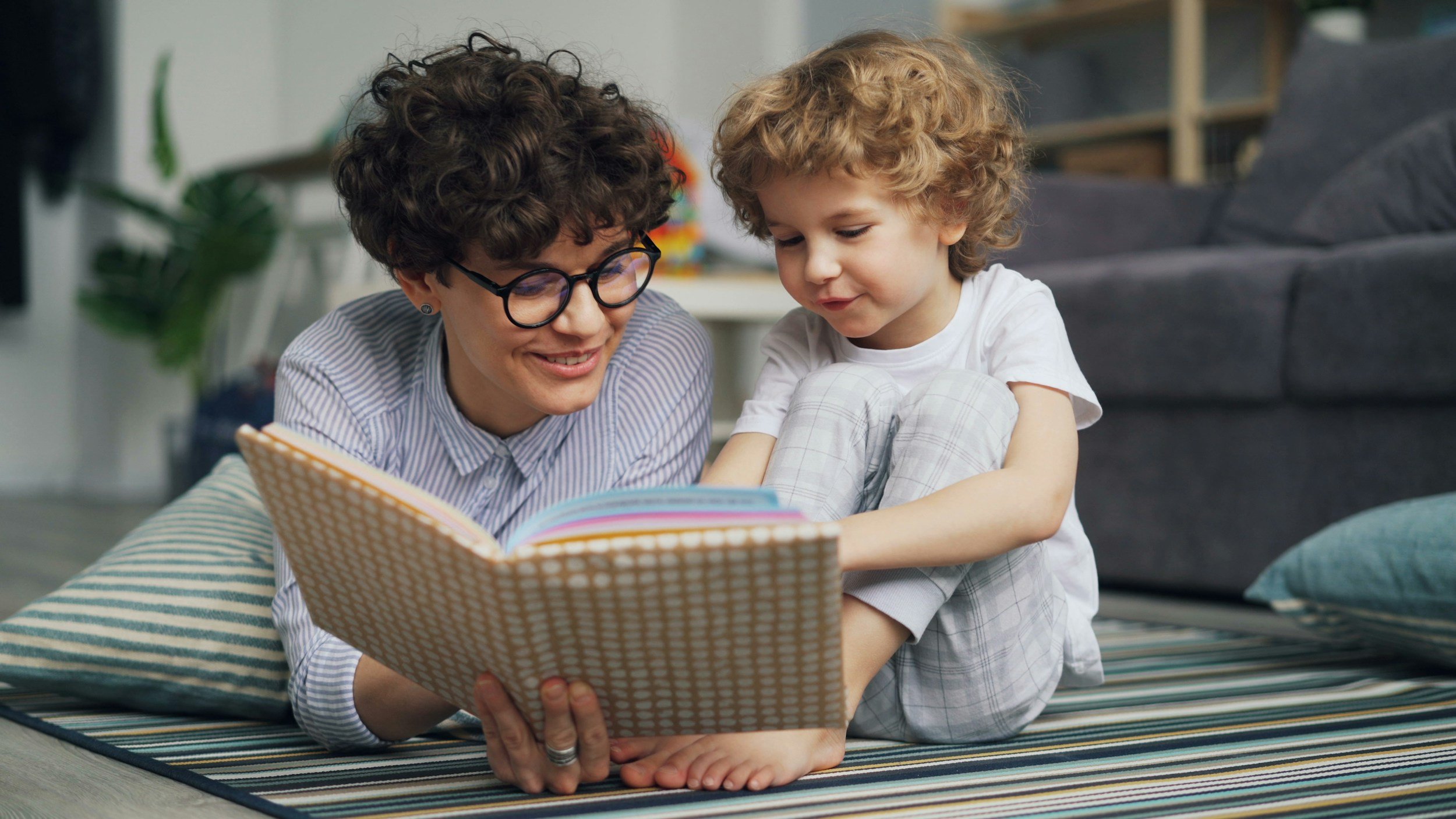
Whatever languages your family speaks, the same principles apply. Talk to your child throughout the day, narrating what you are doing during cooking, shopping and car journeys. Read together daily, in any language — shared book time is one of the strongest predictors of language growth. Sing songs and nursery rhymes from your own childhood. Follow your child's interests and comment on what captures their attention rather than testing them with questions. And limit passive screen time, especially before age two, because language grows through back-and-forth interaction with people.
Will learning two languages at once confuse my child?
No. Research consistently shows that children can acquire two or more languages simultaneously without confusion. Mixing languages in one sentence is a normal, healthy part of bilingual development.
My toddler is not talking yet. Should we switch to English only?
No. Dropping the home language does not help a child who is late to talk, and it can harm family communication. If your child has few or no words by 16–18 months, arrange a speech and language assessment instead.
Can a bilingual child be assessed accurately in Dubai?
Yes. Experienced therapists in the UAE routinely assess multilingual children by gathering information across all their languages, often working with parents as language partners during the assessment.
Which language should we use in therapy?
This is decided together with your therapist. Strategies are usually taught to parents in the home language, while the therapist may work directly in English or Arabic. The goal is stronger communication in the languages that matter to your family.
Does bilingualism have benefits for children with developmental difficulties?
Yes. Studies show that children with autism, Down syndrome and language disorders can and do become bilingual, and being included in the family's languages supports wellbeing and belonging.
If you have questions about your child's speech and language development — in one language or several — our warm, experienced team would be delighted to guide you. Contact us on +971 52 600 4107, email bloom@bloombeyond.me, or visit us at 601, 602 & 701 Al Nastaran Tower, Al Jaddaf Waterfront, Dubai.


.png)

.png)

.png)
.png)
.png)
.png)