
Building a Strong Foundation: Fine and Gross Motor Development in Children
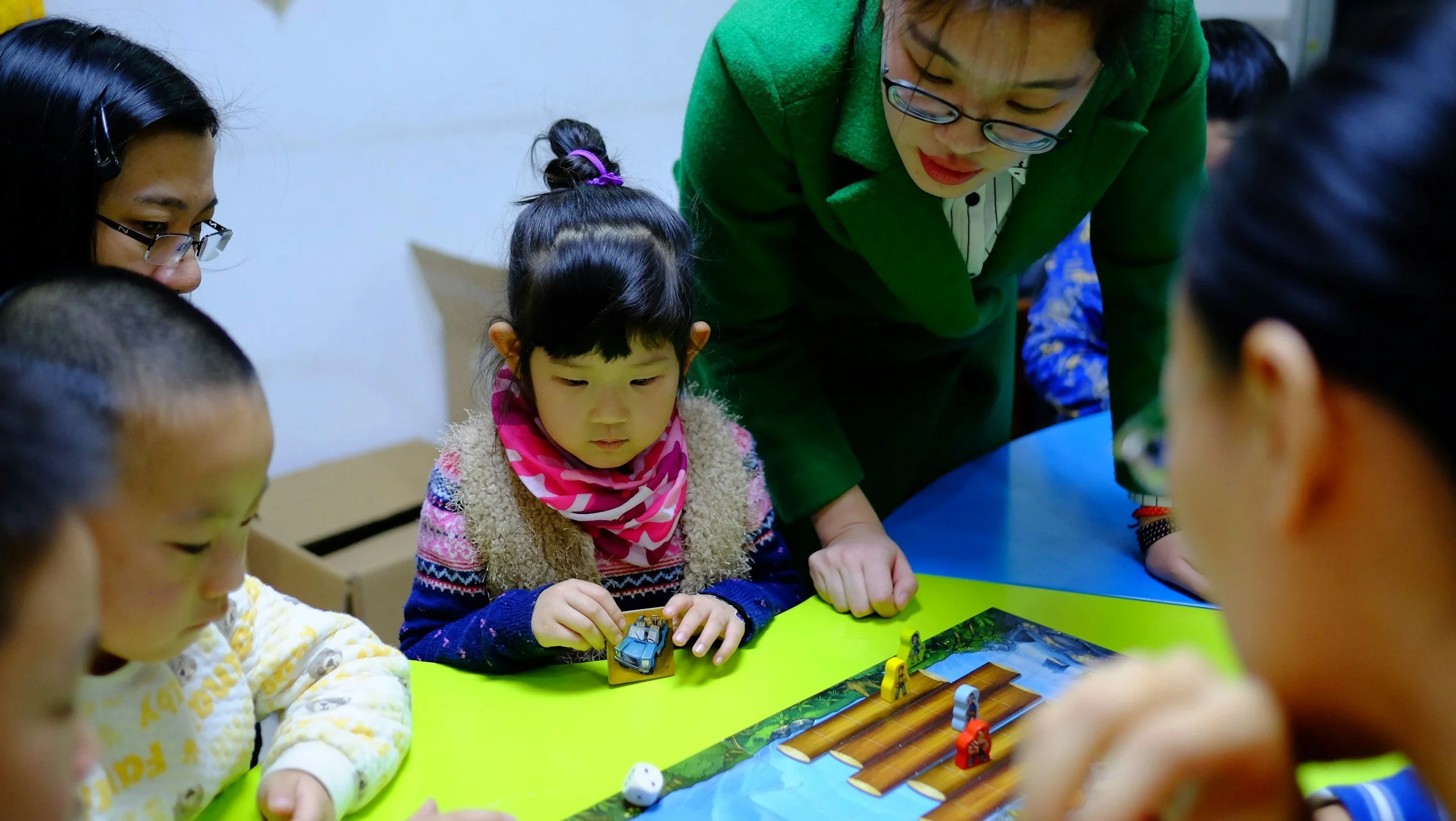
When we watch a toddler learn to stack blocks, thread beads, or kick a ball for the first time, we are witnessing something remarkable — the gradual, intricate development of motor skills that will underpin almost everything they do throughout childhood and beyond. Fine motor skills and gross motor skills are two distinct but deeply interconnected areas of physical development, and both play a vital role in a child's ability to learn, play, and engage independently with the world around them.
At Bloom Beyond Enabling, our occupational therapists in Dubai work with children across a wide range of developmental levels, helping them build the motor foundations they need to thrive at home, in school, and in everyday life.
What Are Fine and Gross Motor Skills?
Gross motor skills involve the large muscle groups of the body — the arms, legs, and core — and are responsible for movements such as crawling, walking, running, jumping, and climbing. These skills require strength, balance, coordination, and body awareness.
Fine motor skills, by contrast, involve the small muscles of the hands, fingers, and wrists, and are responsible for precise, controlled movements such as grasping objects, drawing, writing, cutting with scissors, fastening buttons, and using cutlery.
Both skill sets develop progressively from birth through childhood, and delays in either area can affect a child's confidence, independence, and participation in everyday activities — including school.
Key Motor Milestones to Watch For
While every child develops at their own pace, the following milestones provide a useful guide for parents:
Gross motor milestones:
By 12 months: pulling to stand, taking first independent steps
By 18 months: walking independently, beginning to run
By 2 years: running, kicking a ball, climbing low furniture
By 3 years: riding a tricycle, jumping with both feet, climbing stairs with alternating feet
By 4–5 years: hopping on one foot, skipping, catching a bounced ball
Fine motor milestones:
By 12 months: using a pincer grasp (thumb and forefinger) to pick up small objects
By 18 months: stacking two to three blocks, scribbling with a crayon
By 2 years: turning pages in a book, building a tower of four to six blocks
By 3 years: using scissors with assistance, drawing simple shapes
By 4–5 years: cutting along a line, drawing recognisable figures, beginning to write letters
If your child is consistently behind in one or more of these areas, it is worth seeking a professional assessment — not to label your child, but to understand what support might help them progress.
Why Motor Development Matters
Academic readiness: Fine motor skills are directly linked to writing ability. A child who struggles to hold a pencil or control their hand movements will find handwriting exhausting and may fall behind in class through no fault of their own.
Independence: Dressing, eating, managing personal hygiene — all of these self-care tasks rely on fine motor control. When children struggle with these tasks, it can affect their confidence and their ability to participate fully in school and social settings.
Play and social engagement: Gross motor skills enable children to participate in playground games, team sports, and physical play with peers. Children who feel uncoordinated or physically insecure may avoid these situations, leading to social isolation.
Emotional wellbeing: Difficulty with motor tasks can be deeply frustrating for children who are cognitively capable but physically unable to execute what they want to do. This frustration can manifest as avoidance, low self-esteem, or behavioural challenges.
Signs That Your Child May Need Occupational Therapy Support
Parents are often the first to notice that something is not quite right — a hesitancy to try new physical challenges, a reluctance to draw or colour, or a clumsiness that seems more pronounced than in other children the same age. Here are some specific signs that warrant a professional assessment:
Difficulty gripping a pencil, crayon, or spoon with age-appropriate control
Avoidance of drawing, cutting, or other fine motor activities
Frequent dropping of objects or difficulty with buttons, zips, and laces
Appearing clumsy, bumping into things, or falling more than expected for their age
Difficulty with bilateral coordination tasks (activities that require both hands to work together, such as catching a ball)
Poor posture or difficulty sitting upright for sustained periods
Reluctance to engage in physical play such as climbing, jumping, or running
Difficulty regulating the pressure of their pencil or grip (pressing too hard or too lightly)
These signs do not necessarily indicate a specific diagnosis — they may reflect a developmental variation, sensory processing differences, or simply a need for targeted practice. An occupational therapy assessment will provide clarity and a clear pathway forward.
How Occupational Therapy Supports Motor Development
Occupational therapy is the gold standard intervention for children with fine and gross motor delays. At Bloom Beyond Enabling, our occupational therapists use evidence-based, play-based approaches to build motor skills in a way that feels engaging and motivating for children — because children learn best when they are having fun.
Depending on your child's assessment, their therapy programme may include:
Sensory integration activities to improve body awareness (proprioception) and spatial orientation — the foundations of coordinated movement.
Strengthening exercises for core stability, hand strength, and shoulder girdle support, all of which are essential for controlled fine motor movements.
Handwriting readiness programmes that develop pencil grip, letter formation, and the bilateral coordination needed for writing tasks at school.
Coordination and balance activities such as obstacle courses, ball skills, and balance beam exercises to build gross motor confidence.
Activities of daily living training to help children master self-care tasks such as dressing, eating, and managing their school bag and lunchbox independently.
Therapy goals are always set collaboratively with families, and our therapists provide home programmes so that progress made in sessions can be reinforced in everyday life.
What Parents Can Do at Home
While professional therapy provides structured, targeted support, there is a great deal that parents can do at home to encourage motor development through everyday play:
Playdough and clay: Squeezing, rolling, and pinching are excellent for building hand strength and fine motor control.
Threading and lacing: Using large beads or pasta shapes on string develops the pincer grip and bilateral coordination.
Outdoor play: Climbing frames, sandpits, swings, and balance beams all support gross motor development in a natural, joyful context.
Drawing and colouring: Regular practice with crayons, chalk, and paint develops pencil control and hand-eye coordination.
Ball play: Rolling, throwing, and catching balls of different sizes build gross motor coordination, spatial awareness, and bilateral integration.
The key is consistency and fun — short, regular bursts of purposeful play are far more effective than lengthy, structured sessions that a child may resist.
Frequently Asked Questions
At what age should I be concerned about motor delays?
If your child is not meeting gross or fine motor milestones within two to three months of the expected age, it is worth raising this with your paediatrician or seeking an occupational therapy assessment. Early intervention consistently leads to better outcomes.
Can motor difficulties be a sign of autism or ADHD?
Yes — motor delays or differences are frequently associated with autism spectrum disorder (ASD), ADHD, developmental coordination disorder (DCD), and other neurodevelopmental conditions. An occupational therapy assessment can help identify whether motor difficulties exist alongside other areas of need and ensure a comprehensive support plan is in place.
How long does occupational therapy take to show results?
Progress depends on the nature and severity of the difficulty, the child's age, and how consistently the programme is reinforced at home. Many families notice meaningful improvements within eight to twelve weeks of regular therapy, though some children may benefit from longer-term support.
Can my child receive occupational therapy alongside other therapies?
Absolutely. At Bloom Beyond, our multidisciplinary team coordinates closely to ensure that children receiving speech therapy, ABA, or psychology sessions alongside occupational therapy benefit from a joined-up approach where all therapists are working towards the same goals.
Is occupational therapy covered by insurance in Dubai?
Many UAE health insurance plans do cover occupational therapy for children, particularly where there is a clinical recommendation. We recommend contacting your insurer directly, and our team can provide the relevant documentation to support your claim.
Every child deserves the chance to move through the world with confidence and ease. If you have concerns about your child's motor development — whether they are struggling with a pencil, avoiding the climbing frame, or simply seeming behind their peers — our team at Bloom Beyond Enabling is here to help.
📍 601, 602 & 701 Al Nastaran Tower, Al Jaddaf Waterfront, Dubai
📞 +971 52 600 4107
✉️ bloom@bloombeyond.me
