Selective mutism is an anxiety-based condition in which a child who talks freely at home becomes consistently unable to speak in particular settings — most often school. It is not shyness, rudeness or a deliberate choice, and it rarely resolves on its own without support. The recommended next step is an assessment with a clinical psychologist, frequently alongside speech therapy, so that a gradual, pressure-free plan can be built around your child. Families across Dubai can access this support at Bloom Beyond Enabling in Al Jaddaf.
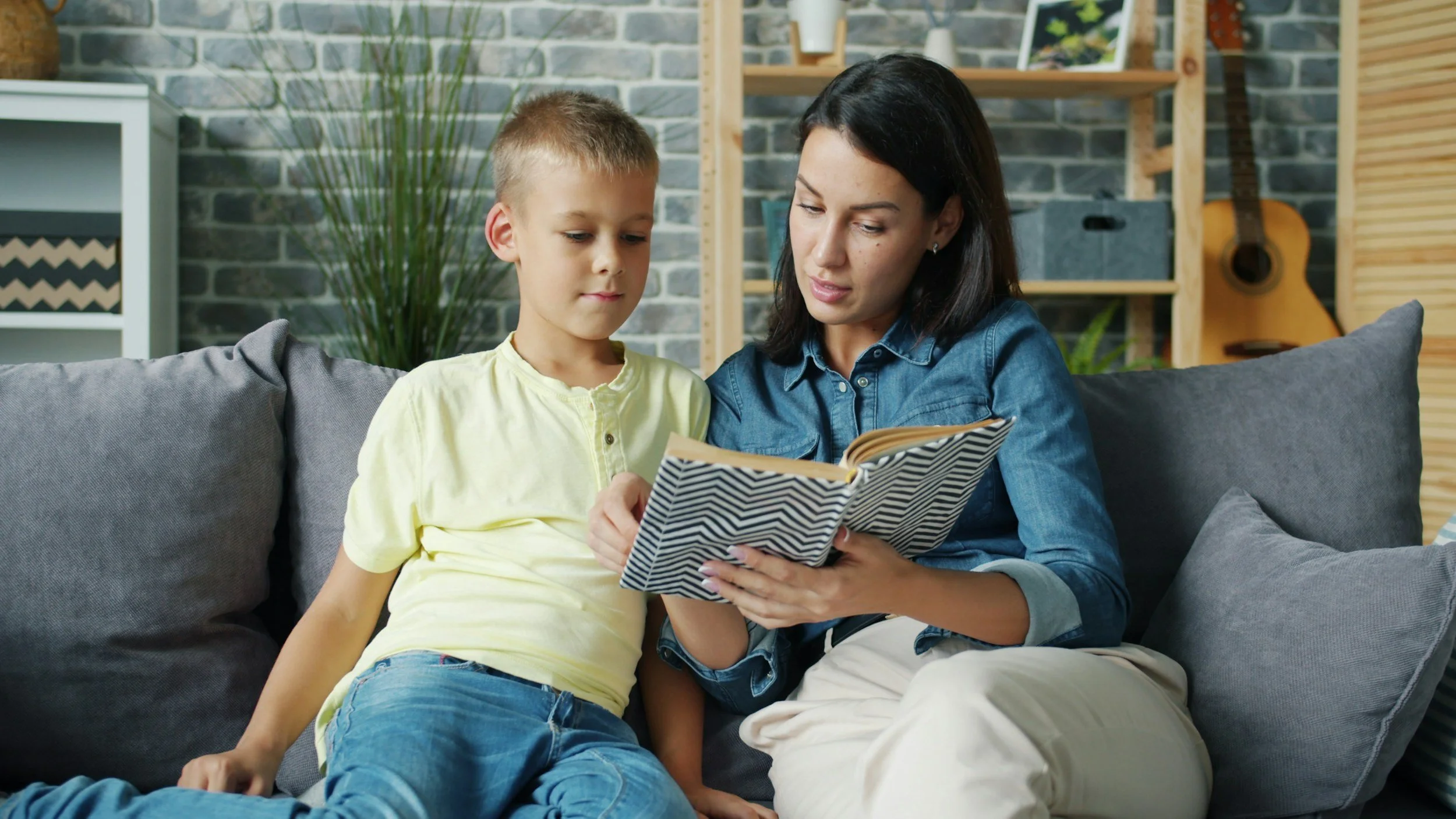
For some children, the school gate marks an invisible line. At home they chatter constantly, argue with siblings, sing in the car and narrate every detail of their day. Then they walk into the classroom and the words simply stop. Teachers describe them as quiet, gentle, exceptionally well behaved. Parents hearing this often feel a quiet confusion, because the child being described sounds nothing like the child they know.
That gap between the child at home and the child at school is the clearest hallmark of selective mutism, and it is one of the most frequently misunderstood presentations we see in children across Dubai.
Selective mutism is classified as an anxiety disorder rather than a speech or language disorder. The word “selective” causes a great deal of confusion: it does not mean that the child selects when to speak, but that the difficulty appears selectively, in specific situations. The child is not choosing silence any more than someone frozen with stage fright is choosing to forget their lines.
In most cases the child’s underlying speech and language abilities are entirely intact. They can form the words, know the answer and want to respond, but anxiety physically interrupts the delivery. Children often describe the sensation as their throat closing, their voice disappearing, or simply the words not coming out. Studies estimate that around 0.7 to 1 per cent of children are affected, which makes it roughly as common as several conditions that receive far more attention. Crucially, the silence must persist for more than a month and go beyond the normal settling-in period of a new school before it is considered selective mutism.
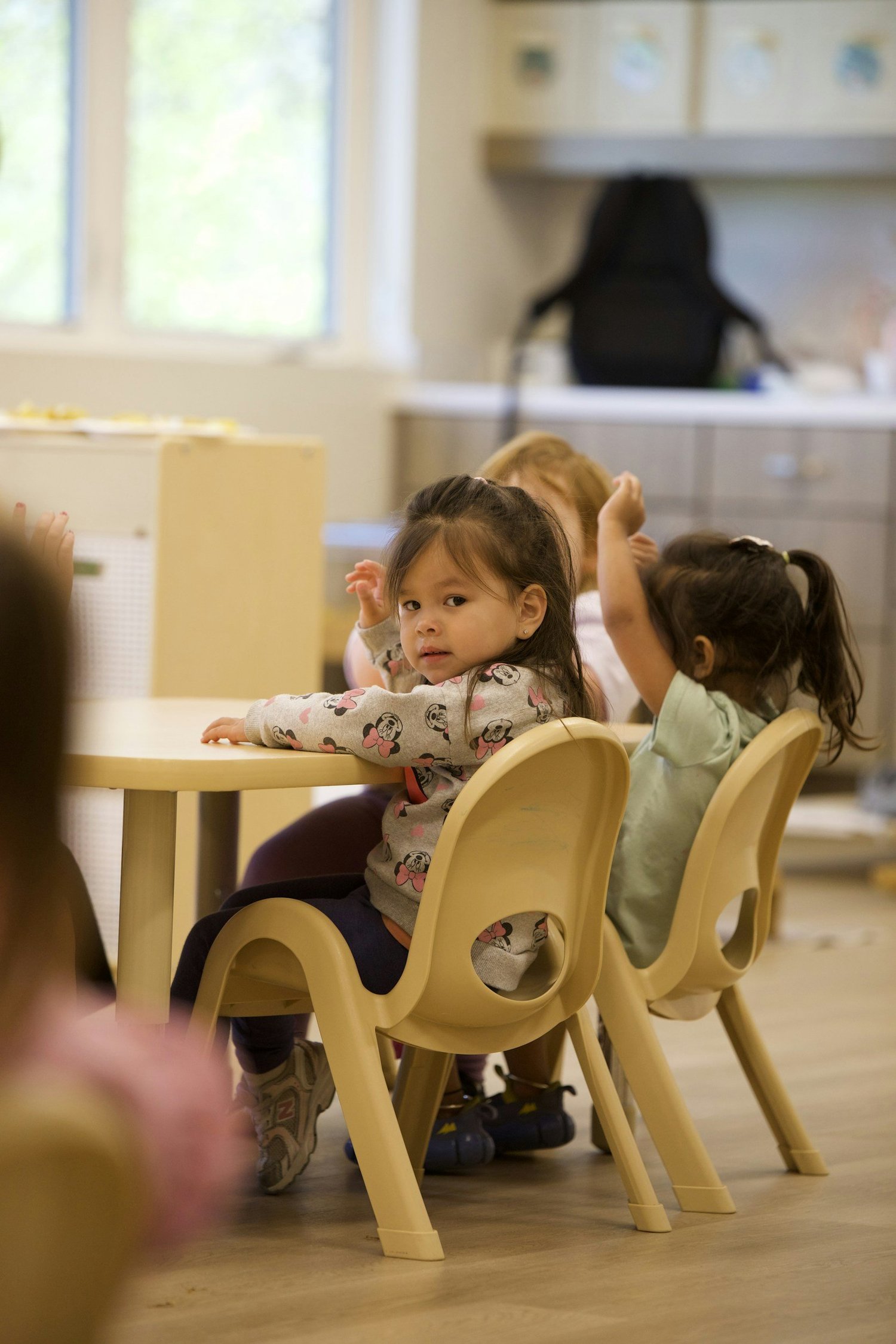
The pattern is usually consistent rather than occasional. A child with selective mutism speaks comfortably with immediate family at home, yet does not speak to teachers, classmates, extended family or shopkeepers, sometimes for years. Many communicate through nodding, pointing, gestures or whispering to a single trusted friend.
Other signs are easy to miss. Children may appear frozen or blank-faced when addressed directly, avoid eye contact, or hover at the edge of group activities. Some will not eat lunch or use the toilet at school because doing so would require asking. Some are described as behaviourally inhibited from toddlerhood: cautious, slow to warm up and very sensitive to being watched. In Dubai, where many children move between schools, nurseries and two or three languages, these signs are sometimes wrongly attributed to a language barrier — and valuable early intervention time is lost while everyone waits for the child’s English to improve.
Selective mutism has a strong temperamental and genetic component. Children who develop it are often born with a nervous system that reacts quickly and intensely to unfamiliar situations. Speaking is a uniquely exposing act — it draws attention, invites evaluation and cannot be taken back — so for an anxious child, speech becomes the first thing to shut down.
Understanding this changes the entire approach. The child is not withholding speech to gain something, so pressure, bribes, rewards for talking and consequences for silence all tend to intensify the anxiety and deepen the pattern. Where a child also has genuine speech sound difficulties, or is learning English alongside Arabic, Hindi or Tagalog — extremely common across the UAE — the fear of being misunderstood adds another layer, and the silence becomes even more protective.
Well-meaning adults often reach for the very strategies that backfire. Asking a child directly to just say hello, waiting expectantly for an answer in front of others, or offering a reward for speaking all place the spotlight exactly where the child cannot tolerate it. So does explaining the child’s silence in front of them — she is just shy, she never talks — because these labels quickly become part of how the child sees themselves.
Speaking for your child every single time is not the answer either, because it removes any need to communicate at all. The middle path is to reduce pressure while keeping the door open: use comments rather than questions, allow generous waiting time without staring, and accept whatever form of communication your child can manage that day.
Treatment for selective mutism is well established and genuinely effective, particularly when it begins early. The approach is built on graded exposure: the child moves through a carefully planned ladder of small, achievable communication steps, and is never asked to leap straight to talking in front of the class.
A clinical psychologist usually leads this work, using techniques such as stimulus fading, in which a new person is gradually introduced into a situation where the child is already speaking comfortably, and shaping, in which sounds, whispers and single words are built up towards full sentences. Speech therapy runs alongside it where articulation or language skills also need attention, and occupational therapy can help when sensory sensitivity — noisy corridors, busy classrooms, unpredictable assemblies — is adding to a child’s baseline anxiety. Principles drawn from behaviour therapy are used throughout to reinforce brave steps rather than outcomes, so the child is praised for trying, not for producing sound.
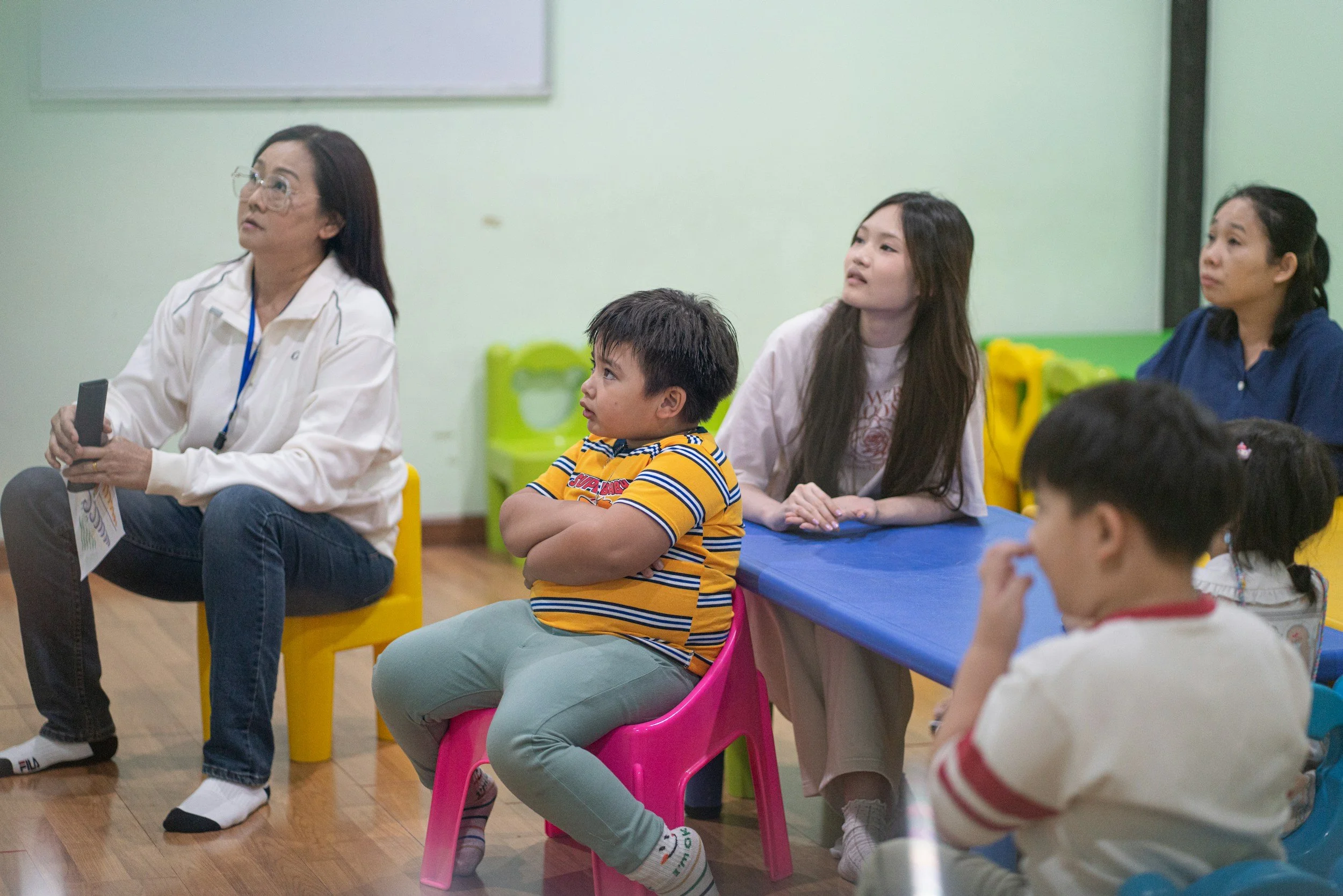
School is where the difficulty is most visible, so school has to be part of the solution. A short written profile shared with the class teacher can transform a child’s experience: it explains that the child understands everything, is not being defiant, and needs questions offered as choices or non-verbal options rather than open demands.
Practical adjustments help enormously. Allow your child to answer by pointing, writing or nodding at first. Arrange for one familiar peer to sit nearby. Let the child visit an empty classroom before term begins. Agree a discreet signal for asking to use the toilet. Many schools across Dubai now work closely with external therapists, and a joint plan between home, school and therapist consistently produces faster progress than any of the three working alone.
No. Shy children usually warm up over days or weeks and can speak, however quietly, when they need to. A child with selective mutism remains consistently unable to speak in specific settings for months or years, despite talking freely at home.
Usually not without support. Some children simply become more skilled at hiding the difficulty rather than overcoming it, and untreated selective mutism is associated with a higher risk of social anxiety later in life. Early, structured intervention has a strong success rate.
No, not on its own. Selective mutism is an anxiety condition and most affected children are not autistic. The two can co-occur, however, which is why a proper assessment is important rather than assuming either way.
Neither. Punishment increases anxiety, and rewards for speaking place pressure on the exact thing your child fears. Praise effort and participation — entering the room, waving, pointing — rather than sound.
It varies with the child’s age and how long the pattern has been established, but many children make visible progress within a few months of consistent, well-structured work across home, school and therapy sessions.
Assessment and therapy are available at Bloom Beyond Enabling, 601, 602 & 701 Al Nastaran Tower, Al Jaddaf Waterfront, Dubai, where clinical psychology and speech therapy are delivered under one roof.
If your child talks happily at home but falls silent at school, you are not imagining the difference and you do not need to wait to see whether it passes. Our team in Al Jaddaf, Dubai offers clinical psychology, speech therapy, occupational therapy and behaviour therapy for children, and we work directly with Dubai schools to make progress stick. To arrange an assessment, call +971 4 554 5234 or +971 52 600 4107, email bloom@bloombeyond.me, or visit us at 601, 602 & 701 Al Nastaran Tower, Al Jaddaf Waterfront, Dubai.



.png)

.png)

.png)
.png)
.png)
.png)