A child who does not turn when their name is called may have a hearing difficulty, may be absorbed in what they are doing, or may be finding social attention and listening harder than expected for their age. It is not a diagnosis on its own, so the sensible next step is a hearing check followed by a developmental assessment if the pattern continues. Support is available at Bloom Beyond Enabling in Al Jaddaf, Dubai, including speech therapy for early communication.
Few things worry parents more than calling their child and getting no response. You may wonder whether they can hear you, whether they are ignoring you, or whether something bigger is going on. In most cases there is a straightforward explanation, but a consistent lack of response is worth understanding early. Many families in Dubai tell us they waited because they were told children simply "grow out of it", so this guide explains what is typical, what is not, and what to do next.
Developmental checklists, such as those published by the US Centres for Disease Control and Prevention, list looking when their name is called as a milestone that many babies reach at around nine months. By the toddler years, most children turn, look or pause when they hear their name, at least some of the time.
The key phrase is "some of the time". Even typically developing toddlers ignore their name when they are deeply engaged in play, tired or excited. What matters is the overall pattern: does your child respond in quiet moments, with familiar voices, and when the call is paired with something interesting?
Hearing is the first thing to rule out. Temporary hearing loss from fluid in the middle ear is common in young children, and a quick hearing test can give you a clear answer. Ask your paediatrician or an audiologist in Dubai to arrange one.
Attention is the next factor. Some children hyper-focus on a favourite toy or screen and genuinely do not register background sounds. Others find it hard to shift attention from one thing to another, which is why a name call can seem to pass them by.
Language understanding also plays a part. A child who is still building their understanding of words may not yet link their name to themselves, particularly in homes where two or more languages are spoken, as is common across the UAE.
Not responding to their name is one of several early signs that clinicians look for when considering autism, alongside limited eye contact, few gestures such as pointing or waving, and reduced shared enjoyment of play. One sign alone does not mean autism, and children develop at different rates, but several together are a good reason to seek a professional opinion rather than waiting.
Early support can make a real difference to communication and learning, so asking sooner is almost always better than asking later. A multidisciplinary team can look at the whole picture, including ABA therapy where it is appropriate for building attention, imitation and everyday communication skills.
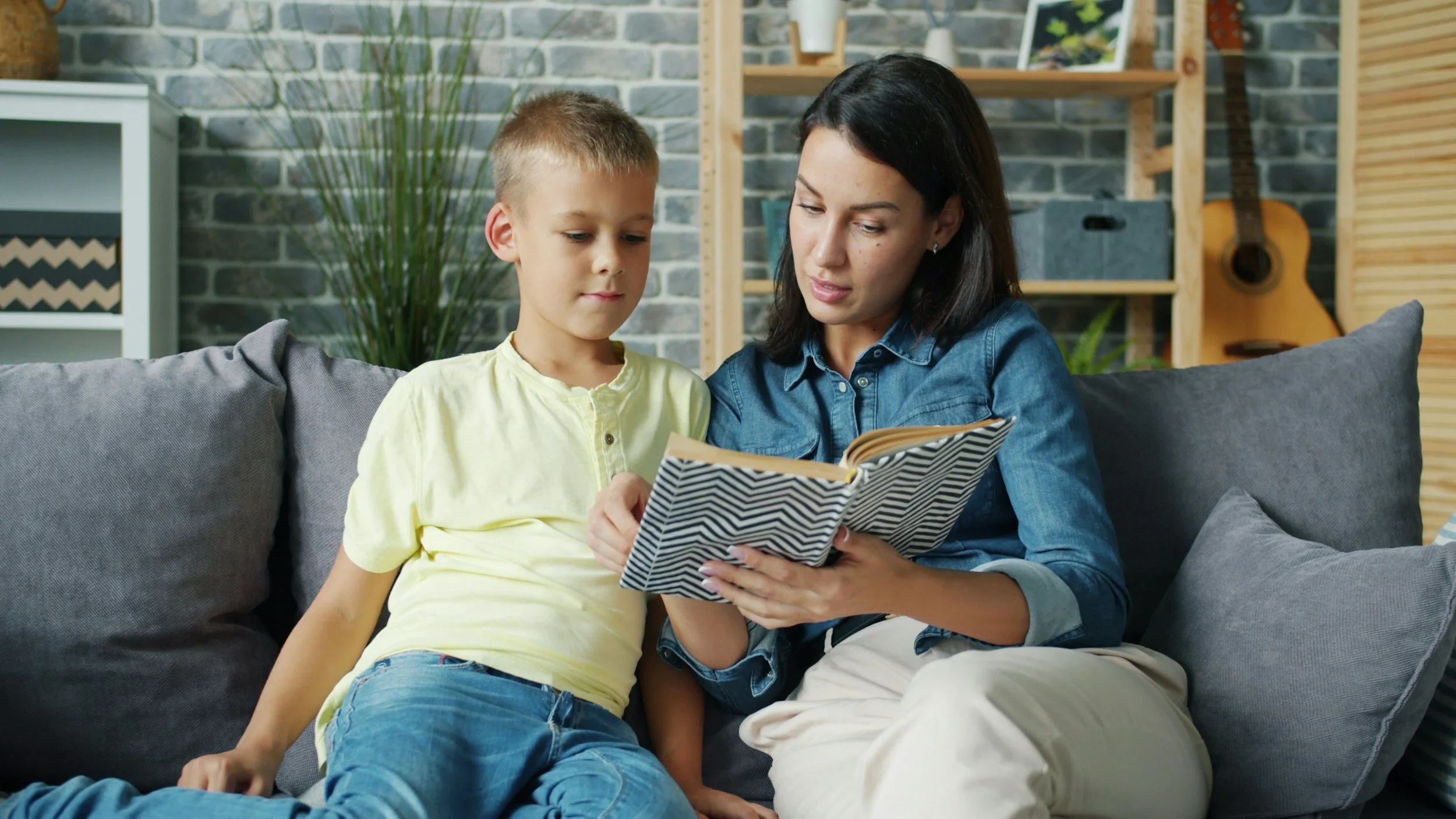
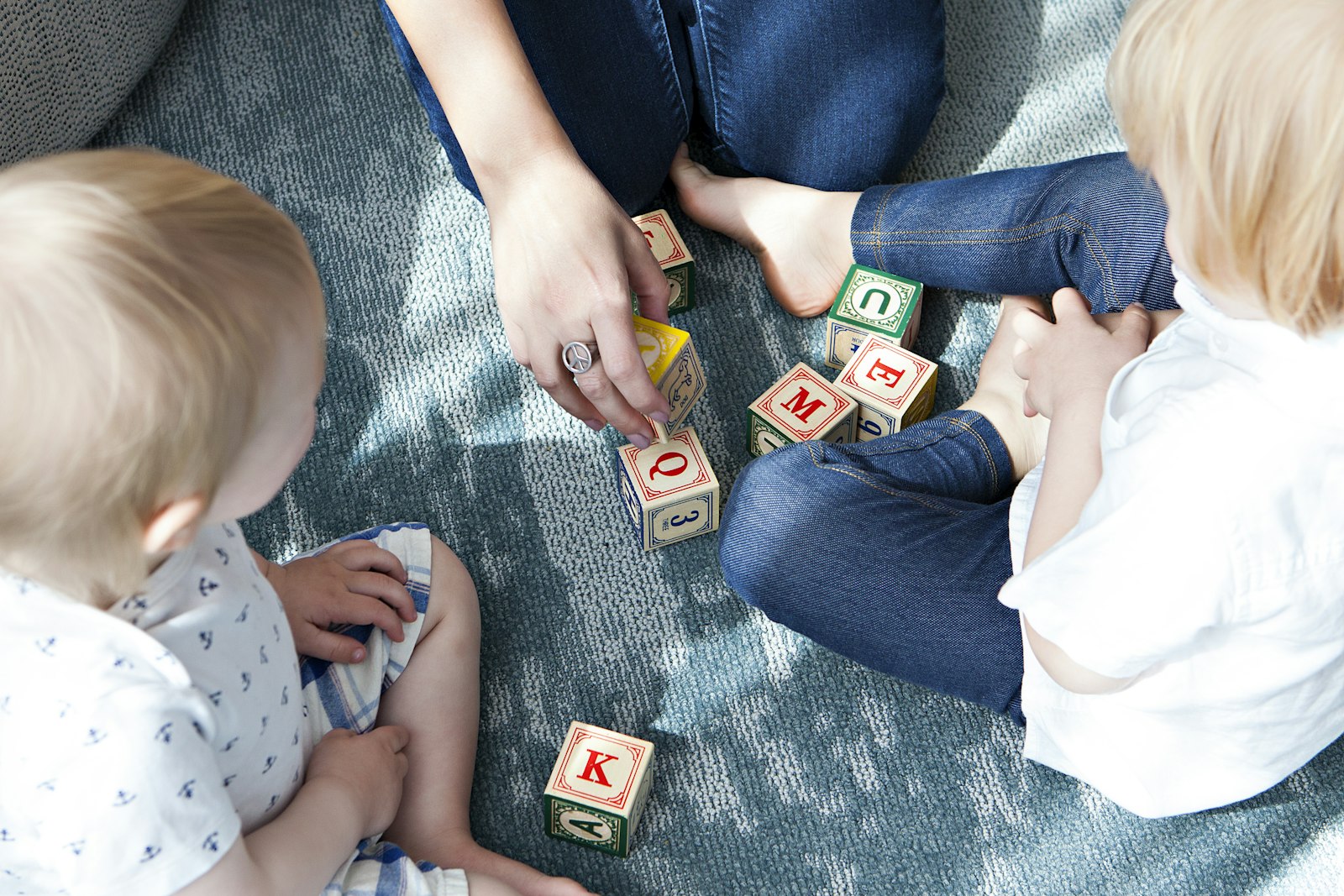
Get down to your child's level, say their name once in a warm, clear voice, and wait a few seconds. Pair the name with something rewarding, such as a smile, a tickle or a favourite toy, so that turning towards you feels good. Avoid repeating the name many times in a row, as this can teach children to wait for the fifth call.
Reduce background noise when practising, and keep sessions short and playful. Notice when your child does respond, and write down what was happening, because this helps a therapist understand what works. If your child seems to find certain sounds overwhelming, an occupational therapy sensory assessment can help explain why.
Consider an assessment if your child rarely responds to their name by around 12 months, if they used to respond and have stopped, or if the lack of response comes with other differences in communication, play or behaviour. You do not need a referral or a diagnosis to ask for advice. A speech and language therapist or clinical psychologist can observe your child, talk through your concerns and recommend next steps.
No, not on its own. It is one of several early signs clinicians consider, and it also has many common causes such as hearing difficulties or strong focus on play. A professional assessment is the only reliable way to know.
Yes, this is usually the best first step. Hearing difficulties are common and treatable, and ruling them out makes any further assessment clearer.
Yes. Children often respond more to familiar voices or to calls linked to something rewarding. Notice who and what gets a response, and share this with your therapist.
Yes, in many cases. Speech therapy and structured play-based approaches can build attention and joint engagement, although progress varies from child to child.
Bloom Beyond Enabling offers speech therapy at 601, 602 & 701 Al Nastaran Tower, Al Jaddaf Waterfront, Dubai. Our team can assess communication, attention and listening skills and recommend a plan for your family.
If you are concerned about how your child responds to their name, please arrange an assessment with our team. Call +971 4 554 5234 or +971 52 600 4107, email bloom@bloombeyond.me, or visit us at 601, 602 & 701 Al Nastaran Tower, Al Jaddaf Waterfront, Dubai.