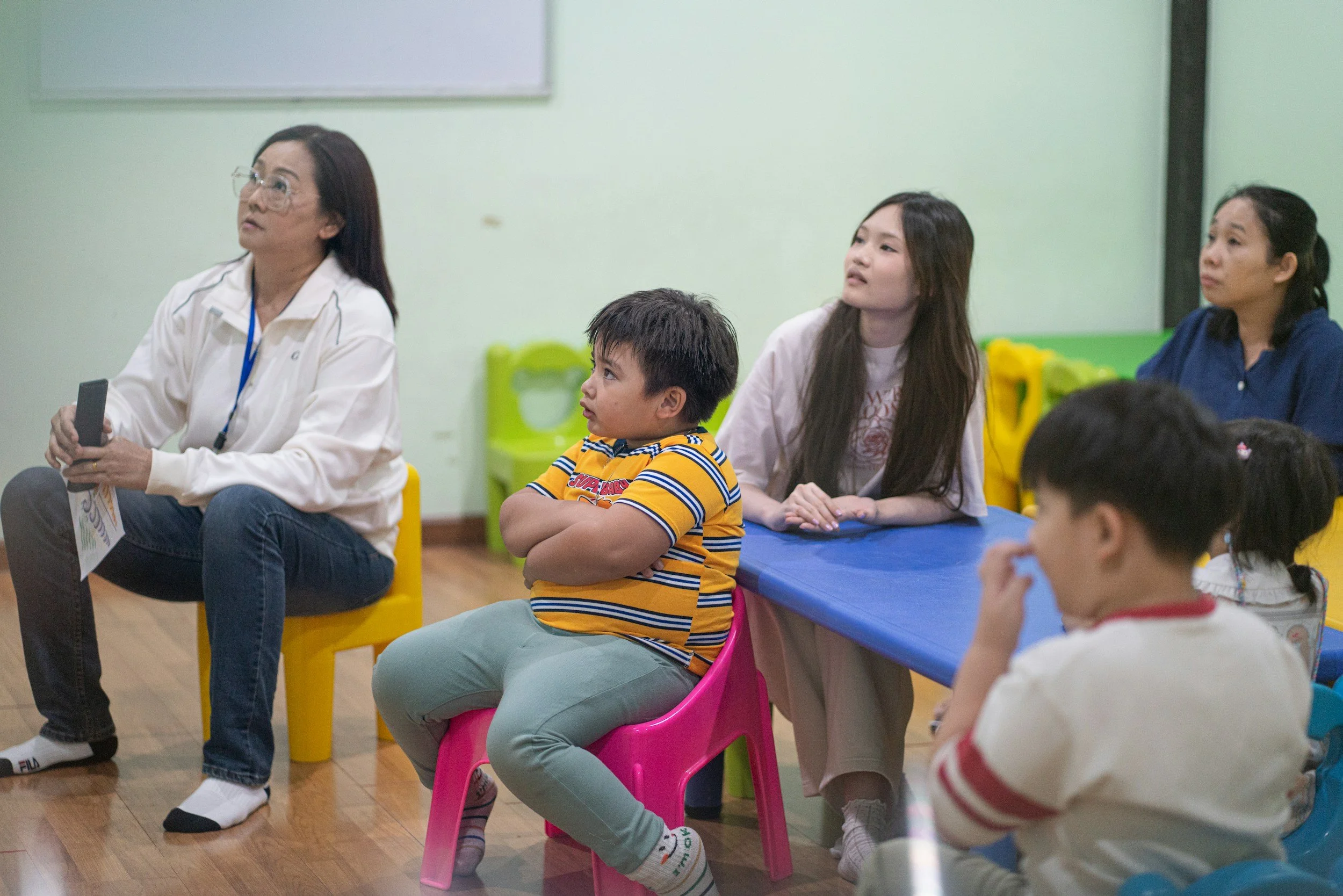
Difficulty waiting and taking turns means a child finds it hard to hold back an impulse, tolerate delay or share the spotlight with others. It is a normal part of early development, but when it is intense, frequent or distressing, it is worth exploring with a professional. If you are concerned, support is available at Bloom Beyond Enabling in Al Jaddaf, Dubai, including behaviour therapy that teaches waiting skills step by step.
Many parents in Dubai and across the UAE describe the same scene: a child who interrupts every conversation, grabs a toy mid-game, or melts down when the queue at the supermarket or the soft-play centre moves too slowly. It is easy to feel judged in those moments, and to wonder whether your child is simply "impatient" or whether something more is going on. The good news is that waiting is a skill, and like any skill it can be taught, practised and strengthened.
Waiting asks a child to do several things at once: notice a want, hold it in mind, stop themselves acting on it, and trust that their turn will come. These abilities rely on the brain's self-regulation systems, which develop gradually. The Harvard Center on the Developing Child describes executive function and self-regulation skills as building steadily through early childhood and continuing to mature into early adulthood, which is a helpful reminder that patience is not something children simply "have" at a certain age.
Everyday factors matter too. A tired, hungry or overstimulated child has far less capacity to wait than a rested one.
Turn-taking looks simple, but it draws on language, attention, emotions and the body. Understanding which of these is making it hard helps you choose the right kind of support.
Language. A child who struggles to follow what is being said, or to explain "I want a go next", may grab instead of ask. A speech and language therapist can look at whether understanding or expression is part of the picture.
Sensory and body regulation. Some children find sitting still in a line or circle physically uncomfortable, or become overwhelmed by noise and crowds while waiting. An occupational therapist can assess sensory processing and suggest strategies for staying calm in busy places.
Emotions. For some children, not getting what they want right now feels genuinely threatening, and big feelings spill out as shouting, crying or snatching. A clinical psychologist can help children name feelings and learn calming tools.
Learning and attention differences. Impulsivity and difficulty waiting can appear alongside conditions such as ADHD or autism, though they also appear in many children with neither. Self-diagnosis is unreliable, so assessment is the safest route to answers.
Small, calm, repeated practice works better than lectures in the heat of the moment. These ideas suit most children, though your therapist can tailor them.
Begin with waits of just a few seconds, such as pausing before a snack is handed over, and gradually lengthen them as your child succeeds. Use a visual timer, a sand timer or a simple "first, then" card so that waiting feels concrete rather than endless.
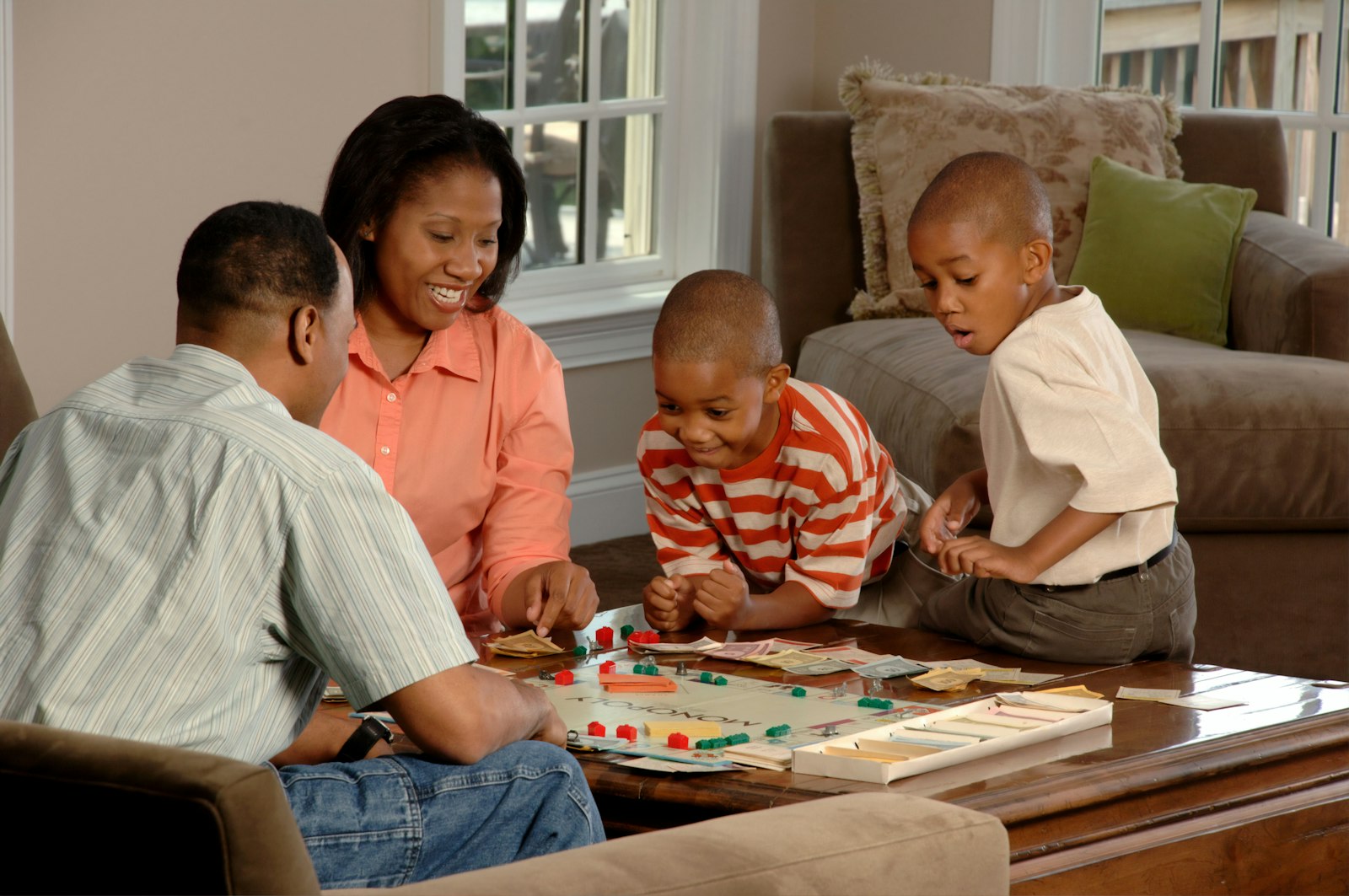
Play simple turn-taking games with obvious rules, such as rolling a ball back and forth, building a tower one block at a time, or board games with only two players. Say "my turn" and "your turn" aloud so the language becomes familiar.
Finally, notice and praise the moment your child waits well: "You waited so patiently, thank you." Specific praise tells a child exactly which behaviour to repeat.
Queues at malls, clinics, restaurants and airports can test any child. A little preparation goes a long way: tell your child what will happen and roughly how long it will take, bring a small quiet activity or favourite book, and agree a simple signal for "I need help". Choose quieter times of day where possible, and keep outings short while skills are still developing. If your child does become overwhelmed, stay calm, move somewhere quieter if you can, and save the teaching for later.
It may be time to talk to a professional if difficulty waiting is causing frequent distress, if your child is struggling to play with other children, if teachers have raised concerns, or if it is affecting family life. You know your child best, and seeking an opinion early is never an overreaction. A multidisciplinary team can look at behaviour, language, sensory needs and emotions together, then build a plan that fits your child's strengths and challenges. Our behaviour therapy service uses positive, structured approaches to teach skills such as waiting, requesting and sharing in a way that feels encouraging for children and practical for parents.
Yes, it is very common. Toddlers and preschoolers are still building the self-control needed to wait, so some difficulty is expected; if it is intense, constant or far behind similar-aged children, a professional assessment is a sensible next step.
Yes, and it happens often. Children may hold themselves together in a structured classroom and release that tension at home, so differences between settings are worth sharing with a therapist rather than treating as a contradiction.
No, not on its own. Turn-taking difficulty can have many causes, including age, language, sensory or emotional factors, and only a qualified professional can say whether a wider pattern points to a diagnosis.
Start with very short, predictable waits and build up gradually. Use a visual timer or "first, then" card, praise calm waiting straight away, and keep early practice to low-stakes moments rather than moments when your child is already upset.
Therapy teaches waiting in small, achievable steps, using clear structure, visuals and positive reinforcement. Therapists also look at underlying language, sensory and emotional needs, so the support fits your individual child.
Bloom Beyond Enabling offers behaviour therapy, speech therapy, occupational therapy and clinical psychology under one roof at 601, 602 & 701 Al Nastaran Tower, Al Jaddaf Waterfront, Dubai. Our team can assess your child and recommend the right combination of support.
If you would like to talk through your child's needs, please call +971 4 554 5234 or +971 52 600 4107, email bloom@bloombeyond.me, or visit us at 601, 602 & 701 Al Nastaran Tower, Al Jaddaf Waterfront, Dubai. You can also arrange an assessment with our team, who will be glad to help your family take the next step.