A child who struggles to stay seated is often dealing with a mix of posture, core strength, sensory needs and attention rather than simple naughtiness. The best first step is to check the seating set-up, add regular movement breaks and, if difficulties persist, seek a professional assessment. Support is available at Bloom Beyond Enabling in Al Jaddaf, Dubai, through occupational therapy and related services.
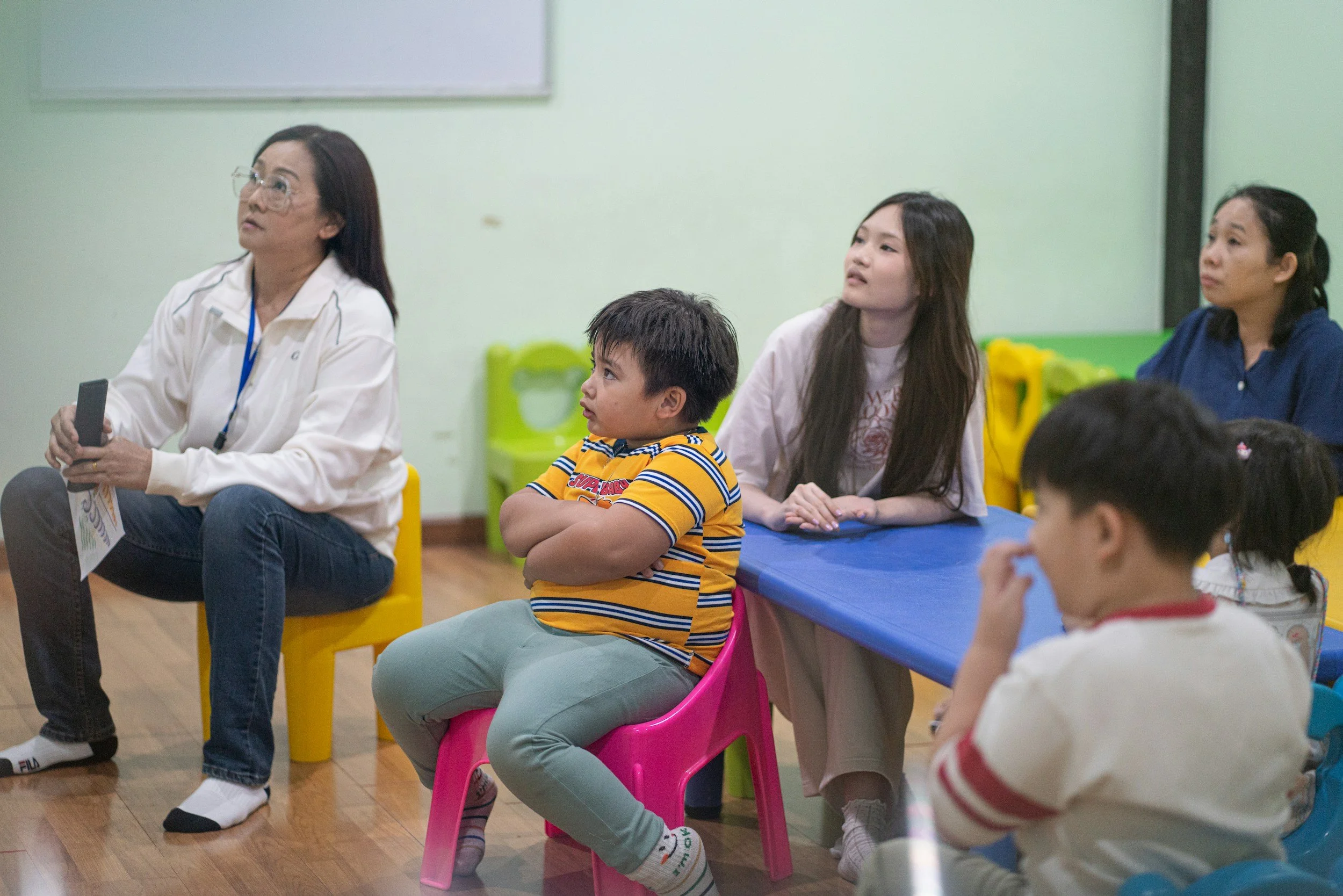
Many parents in Dubai describe the same scene: a child who slides off the chair at dinner, rocks through homework or cannot sit through circle time at nursery. It is easy to feel frustrated, but understanding the reasons behind the wriggling makes it much easier to help.
Sitting upright for a sustained period needs a surprising amount of effort. The muscles in the trunk and hips must stay gently active, the brain must keep processing body position, and the child must also pay attention to the task in front of them.
When any of these systems is still developing, a child may slump, lean, swing their legs or leave the chair altogether. This is usually the body looking for support or input, not a choice to misbehave.
Children build core strength through play: crawling, climbing, running and jumping. Children who spend a lot of time in car seats, strollers or in front of screens may have fewer chances to build this strength, so seated tasks tire them quickly.
A few simple checks can help. Feet should rest flat on the floor or a footstool, knees and hips should be roughly at right angles, and the table should sit around elbow height. A chair that is too big or too small can make fidgeting almost unavoidable.
Some children seek extra movement input to feel alert and organised. They may rock, tap, chew or fidget because their bodies are asking for more sensory feedback. occupational therapy often uses movement-based activities such as carrying, pushing, pulling and swinging to help children get that input in a planned, helpful way before seated work.
Attention differences can also make sitting harder. Estimates from large international reviews suggest that ADHD affects roughly 5 to 7 per cent of children worldwide, although figures vary by study and region. Fidgeting alone does not mean a child has ADHD, as tiredness, worry, hunger or boredom can look similar.
If a child seems anxious or worried about school tasks, clinical psychology support can help them build calming skills. Where clear routines and expectations are needed, behaviour therapy approaches can teach staying seated in small, positive steps.
Keep seated tasks short and build up gradually, with a visual timer so your child can see when the task will end. Add a movement break every 10 to 15 minutes, such as wall push-ups, animal walks or carrying a heavy bag of shopping. Offer a stable, well-fitted chair, and consider a firm cushion or a footstool if your child's feet dangle.
Praise effort rather than stillness, and avoid repeatedly telling a child to sit still, as this can add pressure without solving the cause.
It is worth seeking advice if your child tires very quickly when seated, regularly falls off chairs, avoids drawing or table activities, or if teachers raise concerns about focus. A therapist will observe how your child moves, sits and responds to sensory input, then suggest strategies that fit your family. Services across the UAE vary, so look for a team that works with families and schools together.
Early support often makes everyday routines such as mealtimes, homework and classroom learning calmer for the whole family, and an assessment will never replace your instincts as a parent.
Yes, within limits. Young children are naturally active and need frequent movement breaks, so short periods of wriggling are expected. Persistent difficulty that affects meals, learning or play deserves a closer look.
Yes, it can contribute. If the trunk muscles tire quickly, a child may slump, lean on the table or keep shifting to stay upright. An occupational therapist can assess this alongside sensory and attention needs.
Not necessarily. Fidgeting has many possible causes, including tiredness, posture, sensory needs, anxiety or an unsuitable chair. Only a qualified professional can assess for ADHD, so please avoid self-diagnosis.
No, they usually help. Short, planned bursts of movement can improve alertness and make seated tasks easier afterwards, particularly when they are built into the routine.
Bloom Beyond Enabling offers occupational therapy at 601, 602 & 701 Al Nastaran Tower, Al Jaddaf Waterfront, Dubai. Our team can assess posture, sensory processing and attention, then suggest practical strategies for home and school.
If sitting, fidgeting or focus is a daily struggle for your child, our team in Al Jaddaf, Dubai is here to help. Please call +971 4 554 5234 or +971 52 600 4107, email bloom@bloombeyond.me, or arrange an assessment at 601, 602 & 701 Al Nastaran Tower, Al Jaddaf Waterfront, Dubai.