Pretend play is when a child uses objects, actions or words to stand for something else, such as treating a banana as a phone or feeding a teddy. It usually starts to appear between 18 months and 2 years and becomes more imaginative through the preschool years. If your child shows little interest in pretending, the best next step is a professional developmental assessment, and support is available at Bloom Beyond Enabling in Al Jaddaf, Dubai, through our speech therapy and occupational therapy teams.
Many parents in Dubai and across the UAE notice that their child lines up cars happily but never makes them "drive" to the shops, or that a doll sits ignored in the corner. It can feel worrying, especially when friends' children are busy running tea parties. This guide explains what pretend play is, why some children find it harder, and how you can gently encourage it at home.
Pretend play looks like simple fun, but it draws on many skills at once. Children need to hold an idea in their mind, imitate what they have seen, use language or gestures to express it, and often share the game with someone else. That is a lot of learning wrapped up in a game of "doctors" or "shops".
Through pretend play, children also practise understanding other people's feelings, taking turns and solving small problems. These skills later support friendships, classroom learning and emotional regulation.
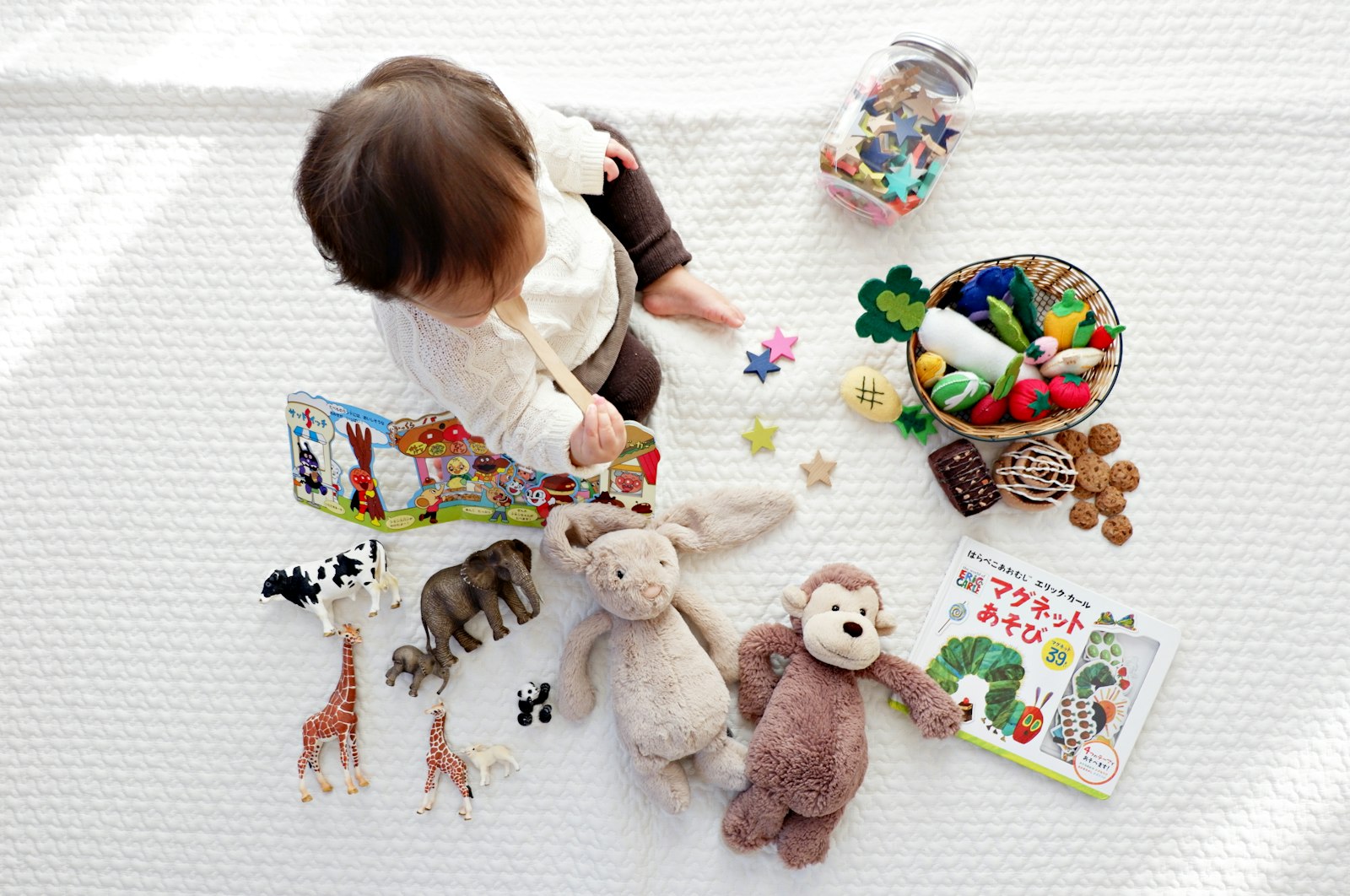
Every child develops at their own pace, but there is a general pattern. Around 12 to 18 months, children often copy everyday actions with real objects, such as pretending to drink from a cup. By about 2 years, many begin using one object to represent another and acting out simple routines with a doll or teddy. Between 3 and 5 years, play usually grows into longer stories with roles, props and ideas shared with other children.
These ages are guides rather than deadlines. A child who takes a little longer is not necessarily "behind", but consistent difficulties across several areas deserve a closer look.
There is rarely one single reason. Some children have a language delay, so they lack the words to build a story. Others find imitation or motor planning tricky, which makes acting out an idea hard. Some children are more comfortable with predictable, concrete play such as puzzles, sorting or lining up toys, and may need gentle support to move beyond it.
Sensory differences can play a part too. A child who avoids messy textures or loud toys may steer clear of play kitchens, sand or noisy role-play. In some cases, differences in pretend play are one of several early signs seen in autistic children. The CDC has estimated that around 1 in 31 eight-year-olds in the United States were identified with autism in 2022, which is why early awareness matters. However, play differences alone never confirm a diagnosis, and only a qualified professional can assess this.
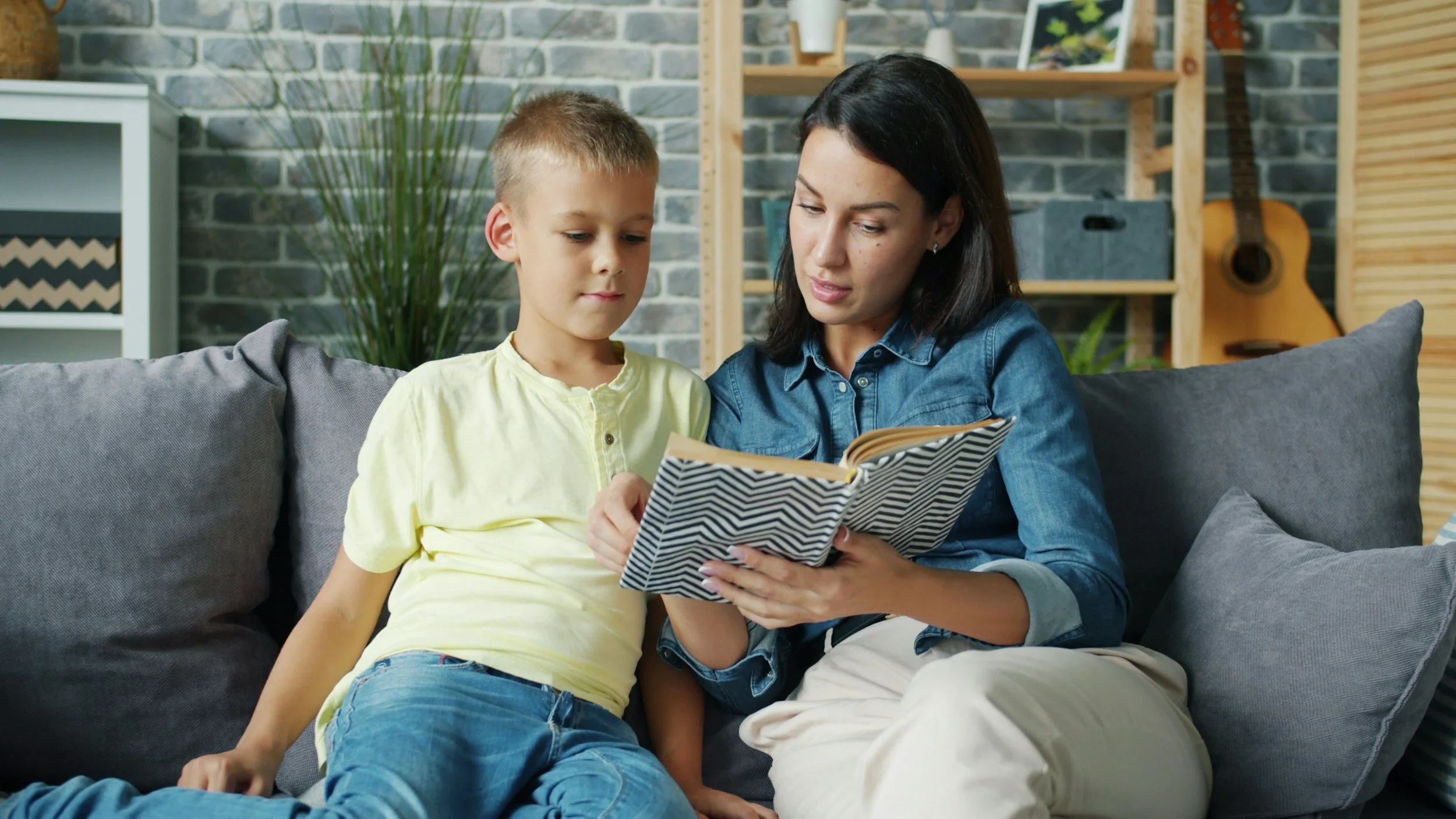
Begin with what your child already knows. Everyday routines such as bath time, mealtimes and bedtime are ideal starting points, because they are familiar and predictable. Sit beside your child, copy what they do, and then add one small idea, such as giving the teddy a spoonful of "soup".
Keep the following in mind as you play together:
Follow your child's lead rather than directing the game, and keep sessions short, around five to ten minutes. Use real objects first, such as a real cup or brush, before moving on to toys and then to objects that stand for something else. Describe what is happening in simple words, for example "teddy is sleepy" or "mummy is cooking". Celebrate attempts, not perfection, and stop while your child is still enjoying it.
Play is a natural way for therapists to work with children, so sessions often look like fun. A speech and language therapist may build the words and gestures that bring pretend ideas to life. An occupational therapist can support motor planning, sensory comfort and the hand skills needed to handle props. Structured, play-based approaches within ABA therapy can teach imitation and joint attention in small, achievable steps, and a clinical psychology team can support emotional understanding and confidence.
At Bloom Beyond Enabling in Al Jaddaf, Dubai, these disciplines work side by side so that your child's goals are shared across the team and carried into everyday life at home.
Consider speaking to a professional if your child is over 2 and does not imitate everyday actions, if play stays very repetitive and does not develop over time, or if pretend play is missing alongside concerns about speech, eye contact, responding to their name or social interaction. Trust your instincts as a parent. An assessment is not a label, it is simply a way to understand your child better and to find the right support early.
Often, yes, because pretend play emerges gradually and at different ages. Many children begin simple pretend actions, such as feeding a doll or talking into a toy phone, somewhere between 18 months and 2 years. If your child is well beyond this and shows no pretend or imitative play at all, a professional assessment can help you understand why.
No, not on its own. Differences in pretend play can be linked to many things, including language delay, sensory differences or simply temperament. It is one piece of a bigger picture, which is why a clinician looks at communication, social interaction and play together rather than at a single sign.
Start with simple, familiar routines your child already knows. Join in at their level, copy what they do, then add one small idea, such as giving the teddy a drink. Keep sessions short and playful, and follow your child's interests rather than directing the game.
Yes, play-based therapy can build the skills that sit underneath pretend play, such as imitation, joint attention, language and motor planning. Speech, occupational and behavioural therapists often work on these together, and goals are tailored to your child's needs.
Bloom Beyond Enabling offers play-based support in Dubai from 601, 602 & 701 Al Nastaran Tower, Al Jaddaf Waterfront. Our team includes speech, occupational, behavioural and psychology services under one roof, so your child's needs can be looked at together.
If you would like to talk through your child's play and development, please call +971 4 554 5234 or +971 52 600 4107, email bloom@bloombeyond.me, or visit us at 601, 602 & 701 Al Nastaran Tower, Al Jaddaf Waterfront, Dubai. You can also arrange an assessment online, and our team in Dubai will be happy to help.