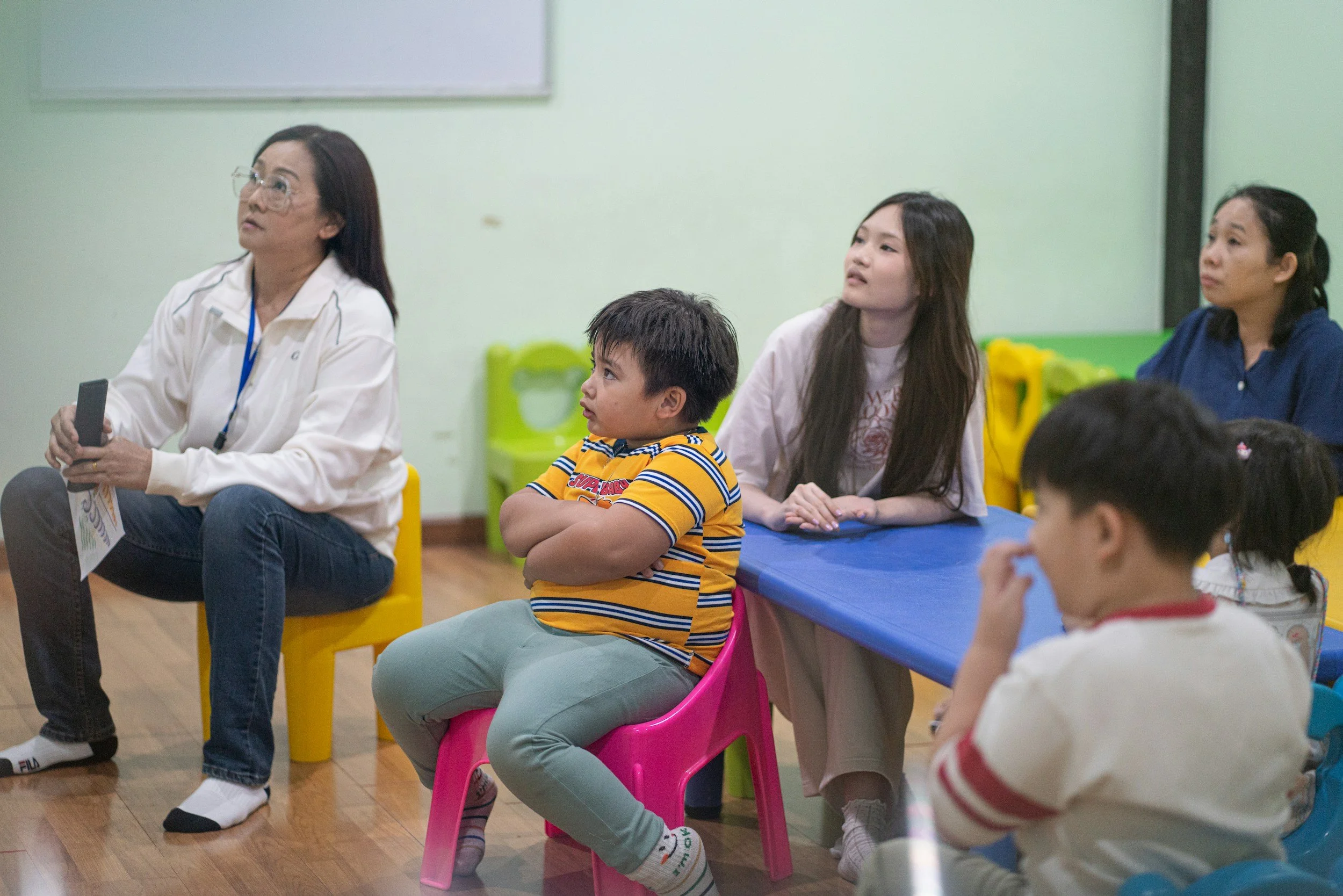
Lining up toys is a very common way for young children to play, and it is often a normal phase in which children enjoy order, patterns and predictability. It can sometimes be an early sign of differences in play or communication, particularly when it is rigid and happens alongside other changes. If you are concerned, the best next step is a professional assessment, and support is available at Bloom Beyond Enabling in Al Jaddaf, Dubai, including ABA therapy.
Many parents in Dubai notice that their child spends long stretches arranging cars, blocks or animals in neat rows, and become upset if someone moves them. It is natural to wonder what this means and whether you should be doing anything about it. This guide explains why children line up toys, when it is part of typical development, and when it may be helpful to seek advice.
Lining up objects can feel satisfying. A straight row is predictable, it looks the same each time, and it gives the child a sense of control over their environment. Young children are also learning about size, colour, shape and quantity, and sorting or ordering is one way they explore these ideas.
For some children, the activity is calming. When the world feels busy, noisy or unpredictable, repeating a simple pattern can help them feel settled. This is one reason the behaviour often increases when a child is tired, excited or anxious.
Many toddlers and preschoolers line things up at some point, and most also explore toys in other ways: pushing cars, feeding a doll, building towers and pretending. The pattern to notice is not the lining up itself, but how much of your child's play it takes up and how flexible it is.
Some points that may suggest it is worth talking to a professional include play that is mostly lining up or sorting with little else, strong distress when the line is disturbed, little interest in sharing play with you or other children, and limited pretend play for their age. It is also worth noting other areas such as speech, eye contact, responding to their name and sensitivity to sound or touch.
Repetitive and restricted patterns of behaviour and interests are one of the features clinicians consider when assessing autism, alongside differences in social communication. According to the US Centres for Disease Control and Prevention, around 1 in 31 eight-year-old children were identified with autism in its 2022 surveillance data, which shows how common these differences are. Families across the UAE ask about this often. Lining up toys alone does not mean a child is autistic, and only a qualified professional can make that judgement.
You do not need to take the line away. Instead, try joining in and gently adding to the play. You might hand your child the next car, add a small "garage" at the end of the row, or make a simple pretend story about where the cars are going. Keep it light, follow your child's lead and stop if they become upset.
It also helps to give notice before changes, use a simple routine so the day feels predictable, even during busy Dubai school terms and holidays, and offer a variety of toys, including ones for pretend play, building and sensory exploration. Praise any moment of shared attention, even a brief look or a smile.
ABA therapy can teach children to play in more flexible and shared ways, using play-based activities built around their interests. Occupational therapy can look at sensory needs and the role repetitive play has in helping a child feel regulated, while speech therapy can support language and communication during play. Each plan is individual, and the aim is to build skills and confidence, not to remove activities your child enjoys.
No, not on its own. Many young children go through phases of lining up, sorting or stacking objects. It becomes worth a closer look when it is rigid, replaces other kinds of play, or comes with differences in communication, eye contact or responding to their name, in which case a professional assessment can help.
No, there is usually no need to stop it. Lining up toys can be calming and enjoyable, so it is better to join in and gently widen the play than to remove it. A therapist can suggest how to do this in a way that suits your child.
As soon as you have a concern, there is no need to wait. Early support is helpful whatever the outcome, and an assessment can show whether repetitive play is part of typical development or something that would benefit from therapy.
Yes, therapy can help children build more flexible, shared and varied play. Approaches such as ABA, occupational therapy and speech therapy are tailored to each child, and no outcome can be guaranteed.
Bloom Beyond Enabling offers ABA, speech, occupational therapy and clinical psychology at 601, 602 & 701 Al Nastaran Tower, Al Jaddaf Waterfront, Dubai. Our team can assess your child and recommend a plan that fits your family.
If you would like to talk about your child's play, you can call us on +971 4 554 5234 or +971 52 600 4107, email bloom@bloombeyond.me, or visit us at 601, 602 & 701 Al Nastaran Tower, Al Jaddaf Waterfront, Dubai. We would be happy to arrange an assessment and help you decide on the right next step.