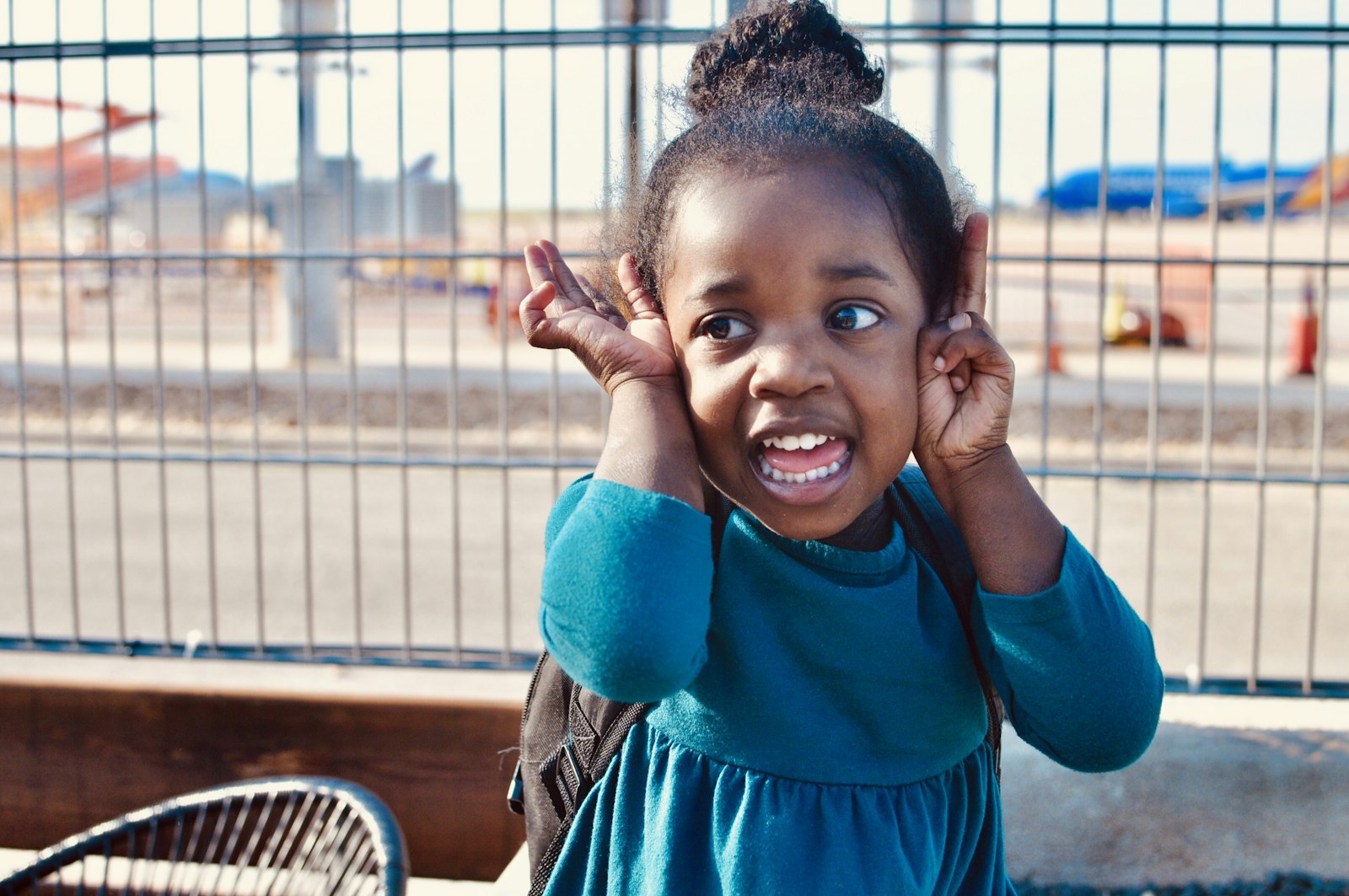
Sound sensitivity (also called auditory sensitivity or hyper-reactivity to sound) means a child's brain processes everyday noises as louder, sharper or more threatening than other people experience them, which is why many children cover their ears. It is common in children with sensory processing differences, including many autistic children, and it is not naughtiness. The best next step is a professional assessment, and families in Dubai can find occupational therapy support at Bloom Beyond Enabling in Al Jaddaf.
If your child clamps their hands over their ears at the hand dryer, hides when the vacuum cleaner starts, or becomes distressed in a busy mall, you are not imagining it. Many parents in Dubai describe the same pattern, especially in a city full of lively malls, building works, traffic and celebrations. Understanding what is happening in your child's body is the first step towards helping them feel safe.
Every sound we hear is sorted by the nervous system, which decides what is important and what can be ignored. Some children's nervous systems struggle with that filtering. A sound that most of us tune out, such as a fridge hum or a distant drill, can feel as if it is right inside their head.
Covering the ears is usually a protective strategy. The child is trying to reduce the input and regain a sense of control. Other signs can include flinching, running away from noise, humming or talking loudly to drown sounds out, or becoming upset before the noise has even started because they are anticipating it.
Sensory differences are widely reported among autistic children. In a frequently cited 2007 study by Tomchek and Dunn, published in the American Journal of Occupational Therapy, around 95% of the autistic children studied showed atypical sensory processing. Figures vary between studies, and sound sensitivity can also appear in children who are not autistic, including those with ADHD, anxiety or developmental coordination difficulties. Sound sensitivity alone does not mean a child is autistic, so it should never be used to self-diagnose.
Some noises are hard to avoid in daily life in Dubai. Common triggers include automatic hand dryers in public toilets, busy soft-play areas, restaurant kitchens, birthday parties, fireworks during national and seasonal celebrations, school assemblies, fire drills and school buses. Even a much-loved outing can become overwhelming if several sounds arrive together.
Keeping a simple diary of when your child covers their ears can show clear patterns, for example "after a long school day" or "in echoey spaces". That information is very helpful to a therapist.
These ideas are general and are not a substitute for a professional plan:
Prepare and predict. Warn your child before a loud noise, such as a blender or a hand dryer. A visual schedule can show what is coming next, and knowing what to expect often reduces fear.
Offer choice and control. Let your child decide whether to wear ear defenders or comfortable headphones in noisy places, and let them press the button themselves when they can.
Create a calm space. A quiet corner with soft lighting and a few favourite items gives them somewhere to recover. Do not force exposure to the sound, since this can increase distress rather than build tolerance.
Praise coping, not silence. Notice when your child uses a strategy, such as asking for a break or putting on headphones, and acknowledge it warmly.
Ear defenders are best used for short, planned periods rather than all day, because wearing them constantly may stop a child practising how to cope with everyday sound.
An occupational therapist with training in sensory integration begins by understanding how your child responds to sound, touch, movement and other sensory input. Therapy sessions are play-based and are designed to help the nervous system respond to sound in a more organised way, while building a toolkit of calming and coping strategies. The therapist will also guide you on adjusting routines and environments at home and at school. Where a child's fears are very strong, a clinical psychologist may work alongside the therapy team to support anxiety around noise.
It is worth speaking to a professional if the reactions are frequent, if they stop your child joining in at school or family events, or if you are worried about their language, behaviour or social development. Where autism is a concern, a team can also explain how applied behaviour analysis may support communication and coping skills.
Yes, occasionally, especially with very loud sounds such as sirens or fireworks. If it happens often, with ordinary sounds, or causes distress, it is worth discussing with a professional.
No, not on its own. Sound sensitivity is common in autistic children but also occurs in other children, so only a qualified team can assess the full picture.
Some children become more comfortable as they grow, but it is not guaranteed. Early support can help children learn strategies that make daily life easier.
No, they are best used selectively in particularly loud settings. A therapist can advise on when and how long to use them for your child.
Bloom Beyond Enabling offers occupational therapy for children at 601, 602 & 701 Al Nastaran Tower, Al Jaddaf Waterfront, Dubai. Our team supports families across Dubai and the wider UAE.
If you would like to talk about your child's sensitivity to sound, call us on +971 4 554 5234 or +971 52 600 4107, email bloom@bloombeyond.me, or arrange an assessment. You can visit us at 601, 602 & 701 Al Nastaran Tower, Al Jaddaf Waterfront, Dubai.