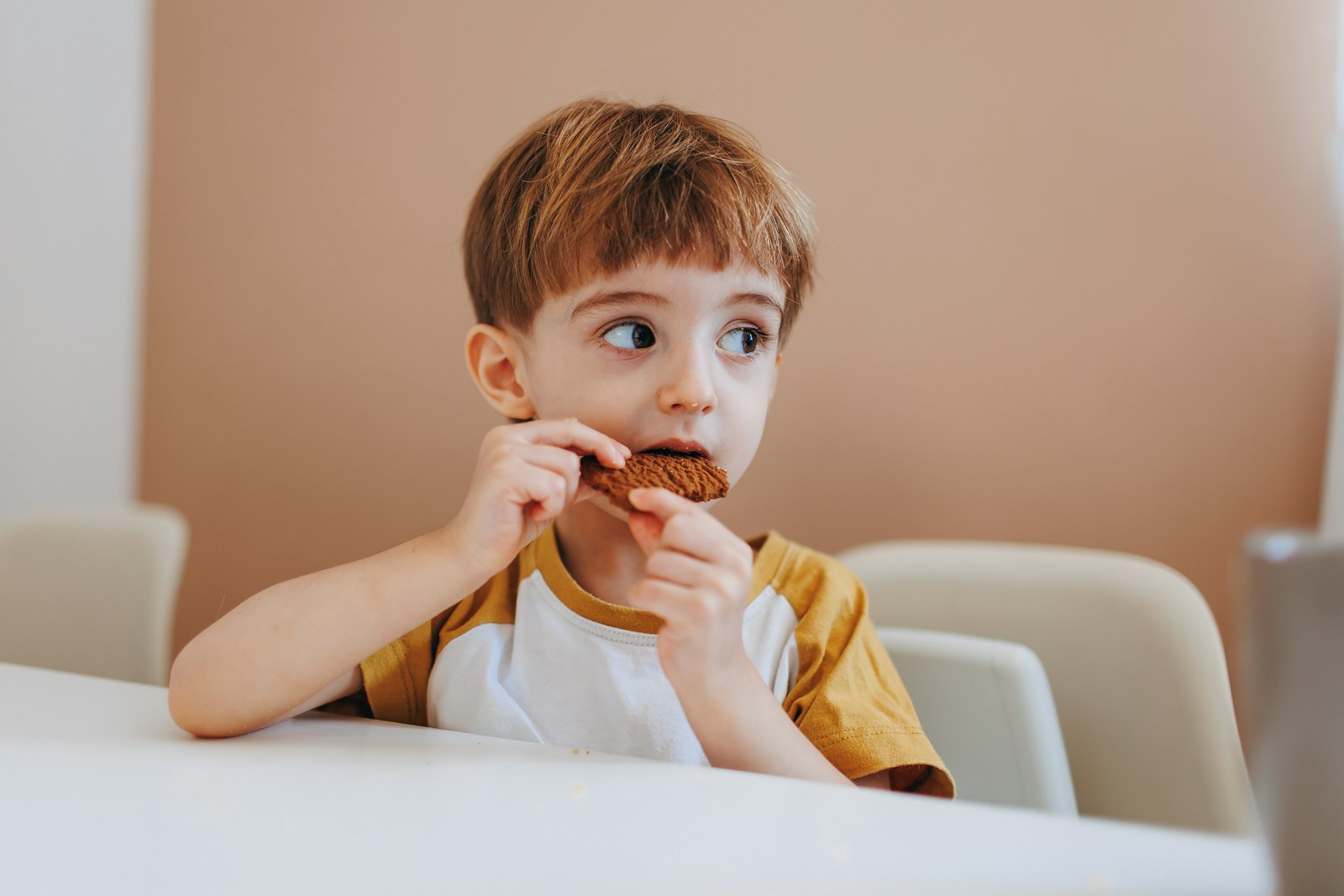
Oral sensory seeking is when a child chews, mouths or bites objects such as sleeves, pencils or toys because their body is looking for extra sensory input through the mouth and jaw. It is common and often manageable, but persistent or intense chewing is worth discussing with a professional. Support is available through occupational therapy at Bloom Beyond Enabling in Al Jaddaf, Dubai.
Many parents in Dubai notice the signs: chewed collars, frayed pencil ends, bitten fingernails, or a child who bites toys long after the toddler stage. It is a common concern for families across the UAE, and it can be costly in school shirts. The good news is that this behaviour usually has a reason, and once you understand it, you can respond calmly and effectively.
Our senses do not just tell us about the world; they help us stay calm and focused. The mouth and jaw contain many receptors that deliver strong, organising feedback, which is why chewing can feel soothing or alerting. Some children need more of this input than others, and they find it by chewing, biting or sucking.
Occupational therapists describe this as part of sensory processing, which is how the brain receives and uses information from the body and environment. Children who seek oral input are not being naughty. They are often regulating themselves the best way they know how.
Oral seeking can look different from child to child. Some signs parents often notice include:
Chewing sleeves, collars, hair or the ends of pencils. Biting toys, cups or straws. Strong preference for crunchy, chewy or very flavoured foods. Frequent mouthing of non-food objects. Drooling beyond the expected age, or keeping the mouth busy during concentration.
Because every child is different, one sign alone does not tell us much. It is the pattern, the intensity and the impact on daily life that matter.
There is rarely a single cause. Some children are simply wired to need more sensory input. Others chew more when they feel anxious, bored, tired or overwhelmed, as chewing can be a calming habit. Chewing is also seen more often in children with sensory processing differences, including some autistic children and some children with ADHD, although many children who chew are developing typically.
It can also be linked to development. Mouthing is expected in infancy, and some research suggests sensory-seeking behaviours are reported more often in autistic children than in their peers, which is one reason an assessment looks at the whole child rather than a single behaviour.
Start by staying curious rather than cross. Notice when the chewing happens: during homework, in the car, when waiting, or when tired. Then offer a safe alternative that meets the same need.
Helpful ideas include crunchy snacks such as apple, carrot or cucumber sticks, chewy foods like dried mango, drinking thicker liquids through a straw, and chewable jewellery or pencil toppers made for the purpose. Regular movement breaks and heavy work activities such as carrying shopping, pushing or climbing can also reduce the overall need for input. Always supervise and choose items that are safe for your child's age. Many Dubai families keep a small pouch of chewy and crunchy options in the school bag for busy days out.
Avoid shaming or punishing, as this can increase stress and make the behaviour stronger. Praise your child when they choose the safe option.
It is sensible to ask for an assessment if chewing is intense or constant, if your child bites hard enough to cause injury, if it affects eating, speech or concentration, or if it comes with other concerns such as meltdowns, very restricted eating or difficulty with everyday routines. Dubai parents often ask us when to act, and the answer is sooner rather than later. Please do not try to diagnose your child yourself; a professional assessment gives clear answers.
An occupational therapist can assess your child's sensory processing and design a personalised plan. Where chewing is linked to feeding, our speech therapy team can help, and our clinical psychology team can support when anxiety is part of the picture. For children who also show differences in behaviour or communication, ABA therapy may be considered as part of a wider plan.
Yes, mouthing and chewing are normal in babies and toddlers, and many young children continue to chew when they are concentrating or feeling stressed. It becomes worth discussing with a professional when chewing is intense, continues well beyond the toddler years, or gets in the way of eating, play or school.
No, not by itself. Chewing can be part of sensory differences seen in many children, including some autistic children and some with ADHD, but many children who chew are developing typically. An assessment looks at the whole picture rather than a single behaviour.
Offer safe, child-friendly alternatives such as chewable jewellery or pencil toppers made for the purpose, crunchy snacks like apple or carrot sticks, or a straw for thick smoothies. An occupational therapist can suggest what suits your child's age and needs.
No, simply telling a child to stop rarely helps, because the chewing is usually meeting a real sensory need. Redirecting to a safe alternative and understanding the trigger works better than punishment.
Bloom Beyond Enabling offers occupational therapy at 601, 602 & 701 Al Nastaran Tower, Al Jaddaf Waterfront, Dubai. Our team can assess your child's sensory processing and build a plan that fits family life.
If you are concerned about your child's chewing, we would be glad to help. Call us on +971 4 554 5234 or +971 52 600 4107, email bloom@bloombeyond.me, or arrange an assessment at 601, 602 & 701 Al Nastaran Tower, Al Jaddaf Waterfront, Dubai.