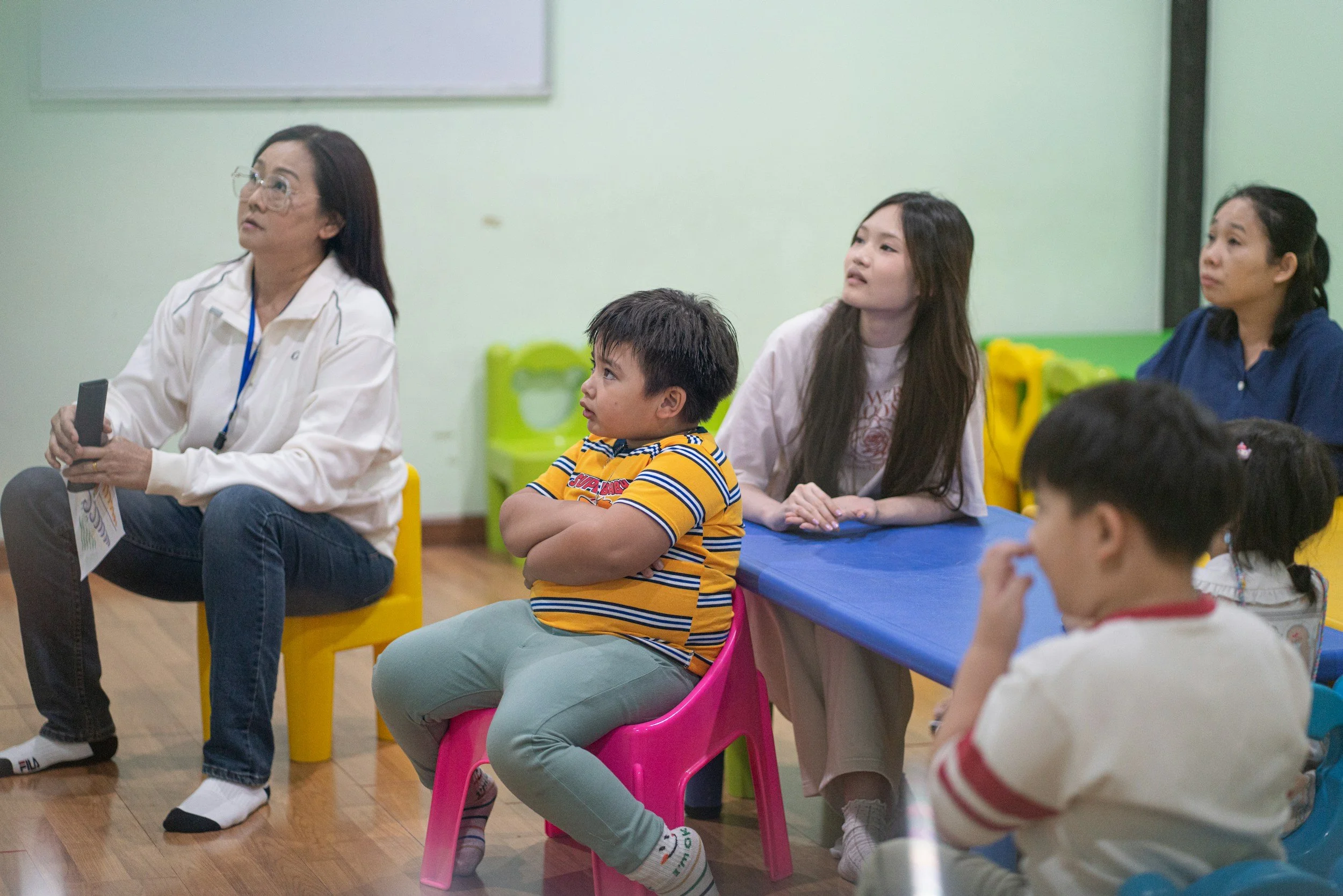
Receiving an autism diagnosis for your child can feel overwhelming. You want to do everything possible to help them thrive, yet the range of therapies and approaches on offer across Dubai can be confusing to navigate. Among the most widely researched and recommended interventions is Applied Behaviour Analysis (ABA) — a structured, evidence-based approach that has helped countless children develop communication, social, and daily-living skills. This guide explains what ABA therapy involves, how it works, and why early intervention matters so much for children growing up here in the UAE.
Applied Behaviour Analysis is a therapeutic approach grounded in the science of learning and behaviour. At its heart, ABA seeks to understand why certain behaviours happen and to teach new, helpful skills in their place. Rather than viewing a child through the lens of what they cannot do, a skilled ABA practitioner focuses on building on strengths, breaking complex skills into small, achievable steps, and celebrating progress at every stage.
ABA is highly individualised. No two children with autism are alike, so a quality programme begins with a thorough assessment of your child's abilities, interests, and challenges. From there, a qualified behaviour analyst designs a plan tailored to your child's specific goals, whether that involves developing language, reducing distress during transitions, or learning to play alongside other children.
ABA uses positive reinforcement to encourage helpful behaviours. When a child successfully uses a new skill — pointing to request an object, for example, or waiting their turn — they receive meaningful encouragement, which makes the behaviour more likely to happen again. Over time, these small wins accumulate into significant developmental gains.
Sessions are often play-based, particularly for younger children, so that learning feels natural and enjoyable rather than clinical. A therapist might weave language practice into a favourite game, or use a child's love of building blocks to practise sharing and turn-taking. Progress is measured carefully through ongoing data collection, allowing the team to recognise what is working and adjust the plan when needed. This commitment to measurement is one of the reasons ABA is so widely respected within the international therapy community.
The early years of a child's life are a period of remarkable brain development. Research consistently shows that children who begin therapy sooner tend to make greater gains in communication, social interaction, and independence. Early intervention does not mean pushing a child too hard too soon; rather, it means giving them the right support at the moment their developing brain is most receptive to learning.
For families in Dubai, timely access to therapy is especially valuable. The city is home to a diverse, multilingual community, and children may be exposed to several languages at once. A well-structured programme can help a child build a strong communication foundation while respecting the family's cultural and linguistic context. If you have noticed that your child is not meeting expected milestones — limited eye contact, delayed speech, or difficulty engaging with others — seeking an assessment early can make a meaningful difference.
When you begin ABA therapy, you can expect a collaborative process that places your family at the centre. A typical journey starts with an initial consultation and assessment, followed by the creation of an individualised plan with clear, measurable goals. Therapy sessions may take place at a specialist centre, at home, or a combination of both, depending on your child's needs.
Parent involvement is a cornerstone of effective ABA. You know your child better than anyone, and the most successful programmes equip parents with practical strategies to reinforce learning at home. This partnership ensures that the skills your child develops in therapy carry over into everyday life — at the dinner table, in the park, and during family outings across the UAE.
Located in Al Jaddaf, a central and easily accessible part of Dubai, families can find comprehensive support that brings together ABA alongside complementary services such as speech therapy and occupational therapy, allowing for a truly holistic approach to your child's development.
When selecting a therapy provider, look for qualified, experienced practitioners who take the time to understand your child as an individual. A warm, respectful environment matters just as much as clinical expertise — your child should feel safe, valued, and understood. Ask about how progress is measured, how families are involved, and whether services can be coordinated across different disciplines under one roof.
Above all, trust your instincts as a parent. The right provider will listen to your concerns, answer your questions patiently, and work in genuine partnership with you to help your child reach their full potential.
At what age can my child start ABA therapy?
ABA can benefit children across a wide age range, but many families begin between the ages of two and six, when early intervention tends to be most effective. That said, older children can also make meaningful progress, so it is never too late to seek support.
How long does ABA therapy take to show results?
Every child is different, and progress depends on factors such as the intensity of therapy and your child's individual profile. Some families notice small changes within weeks, while broader developmental gains typically unfold over months. Consistent, ongoing therapy generally produces the best outcomes.
Is ABA therapy only for children with autism?
While ABA is most commonly associated with autism, its principles can also support children with a range of developmental and behavioural challenges, including attention difficulties and learning delays.
Do parents need to be involved in the therapy?
Yes — parent involvement is one of the strongest predictors of success. A good programme will coach you in strategies you can use at home so that learning continues beyond the therapy room.
Can ABA be combined with other therapies?
Absolutely. Many children benefit from a coordinated approach that combines ABA with speech therapy, occupational therapy, and sensory integration, all working towards shared goals.
Supporting a child with autism is a journey, and no parent should walk it alone. With the right guidance, early intervention, and a warm, evidence-based approach, your child can build the skills and confidence to flourish. If you would like to learn more about how ABA therapy could support your family, our team in Dubai is here to help.
Reach out to us on +971 52 600 4107 or bloom@bloombeyond.me, or visit us at 601, 602 & 701 Al Nastaran Tower, Al Jaddaf Waterfront, Dubai. We would be delighted to answer your questions and support your child's development every step of the way.



.png)

.png)

.png)
.png)
.png)
.png)