You can prepare your child for travel by building familiarity step by step: showing them what will happen with pictures and short stories, practising small parts of the journey at home, and planning sensory supports and rest breaks. If airports, flights or new places are a struggle for your child, an assessment can help you build a plan around their needs, and support is available at Bloom Beyond Enabling in Al Jaddaf, Dubai through occupational therapy and behaviour therapy.
Many families in Dubai and across the UAE travel often, whether to visit relatives overseas or to escape the summer heat. For children who find change, noise, crowds or waiting difficult, a trip can feel like a long chain of unpredictable moments. The good news is that a little preparation, started a few weeks ahead, can make a real difference to how your child experiences the journey, and to how you feel too.
Travel combines almost everything that can be challenging at once: unfamiliar places, bright lights, loud announcements, queues, security checks, close contact with strangers, disrupted sleep and meals, and a break from the routines that help a child feel safe. Children who are sensitive to sensory input, who rely on predictability, or who find waiting and transitions difficult may become anxious, overwhelmed or upset.
It is helpful to remember that distress at the airport is communication, not misbehaviour. Your child is telling you that the demands of the moment are more than they can manage right now, and the aim of preparation is to reduce those demands and build coping skills.
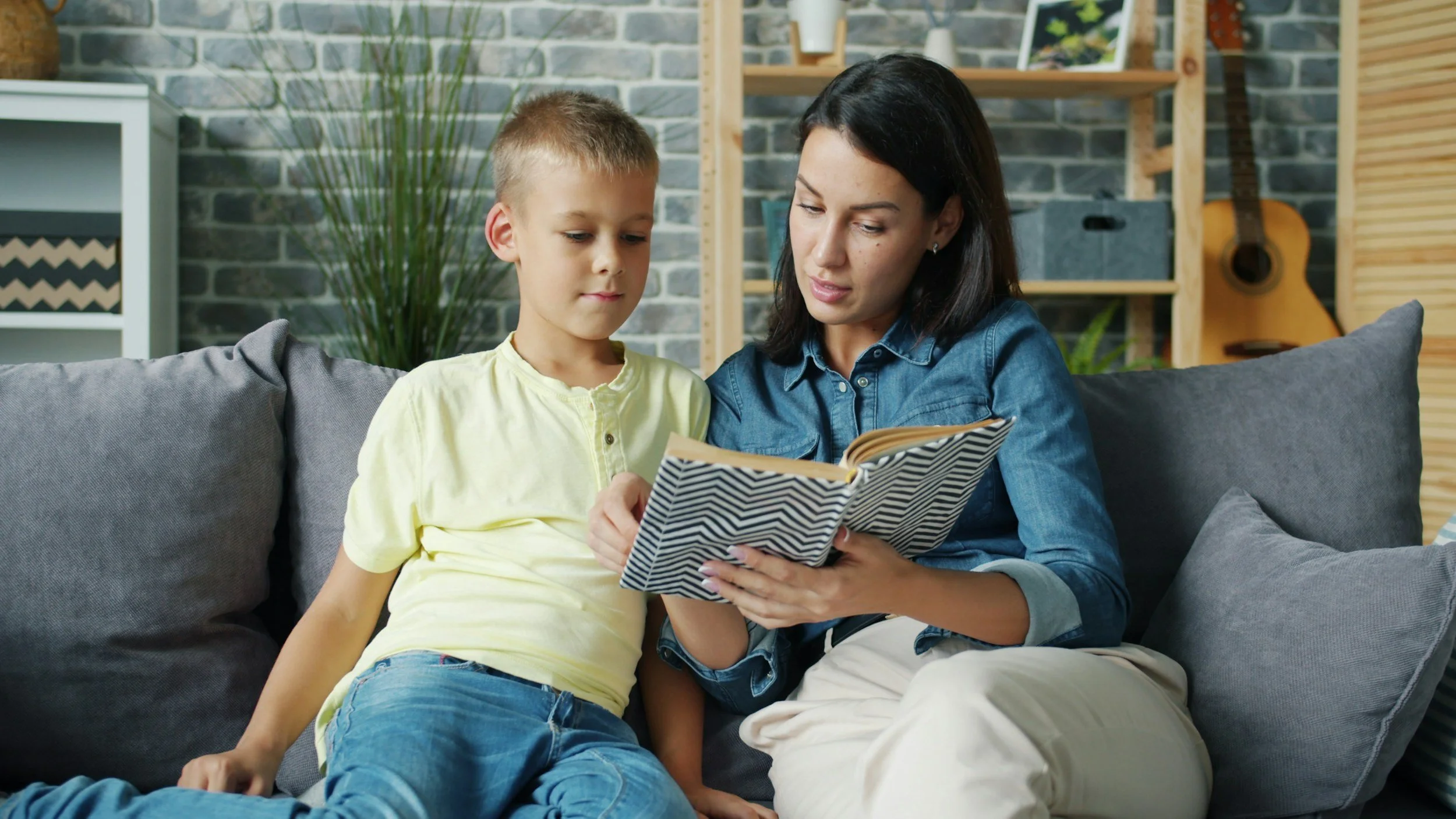
Familiarity is the most powerful tool you have. A few weeks before you travel, begin talking about the trip in simple, calm language. Use photographs of the airport, the plane and your destination, or a short social story that walks through each step: arriving at Dubai airport, checking in, going through security, waiting, boarding, flying and arriving.
A visual schedule works well here, because it shows your child what comes next and what comes after that. Include a clear "finished" step so your child can see the journey has an end. You can also play at travelling at home, for example by packing a small bag, lining up chairs as plane seats and practising wearing headphones or a seat belt.
Rather than expecting your child to cope with everything on the day, break the journey into parts and rehearse the ones likely to be hardest. If waiting is difficult, practise short waits at home with a favourite activity and gradually lengthen them. If security checks worry your child, a quiet visit to a public space where you walk through a gate and stand with arms out can help them know what to expect.
Reward effort generously and keep practice sessions short and positive. A child who has already rehearsed standing in a queue or sitting through a safety announcement will find the real thing far less surprising. A therapist can help you design a graded plan that suits your child's age and abilities.
Airports and aircraft can be noisy, bright and crowded. Think ahead about what helps your child feel settled. Noise-reducing headphones, sunglasses or a cap, a favourite blanket, chewy or crunchy snacks, and a small fidget toy can all support regulation. Some children benefit from deep pressure or movement before a long period of sitting, such as a brisk walk, wall push-ups or carrying a light bag.
An occupational therapist can help you understand your child's sensory profile and put together a personal "calm kit" of strategies to use before, during and after the journey.
On travel day, aim to keep as much of the usual routine as possible. Allow extra time so nobody feels rushed, pack familiar food and favourite items in your hand luggage, and keep a simple visual timeline to hand. Many airports offer assistance for passengers with additional needs, so it is worth contacting the airline and the airport ahead of time to ask what support is available, such as assisted check-in or quieter waiting areas. Arrangements vary, so confirm the details directly.
Build in breaks, and be ready to adapt. If your child becomes overwhelmed, move to a quieter spot, lower your demands and use the calming strategies you have practised. Staying calm yourself helps your child to do the same. Afterwards, talk about what went well, however small, so confidence grows for the next trip.
If your child finds it hard to say what they need, give them a simple way to ask for help, such as a card, a gesture or a few key words for "break", "toilet", "drink" and "finished". Speech and language therapy can help you build these tools before you go. Naming feelings out loud ("this is noisy, it feels a bit big") can also help children make sense of what they are experiencing.
Sensory difficulties and developmental differences are common. For example, the US Centers for Disease Control and Prevention has reported that around 1 in 31 eight-year-old children in its surveillance areas were identified with autism spectrum disorder, which suggests many families share these travel worries. If you are concerned about your child's development, a professional assessment is the best way to understand their needs.
Yes, many children find airports difficult. The noise, crowds and waiting can overwhelm even confident travellers, and children who are sensitive to change may need extra preparation and support.
Ideally two to four weeks before travel. This gives time to introduce pictures or stories, rehearse the harder steps and adjust the plan if something is not working.
Yes, it can help. Therapists can build coping skills, communication tools and sensory strategies, and design a step-by-step plan around your child's needs, although every child progresses at their own pace.
Yes, it is usually a good idea. Airlines and airports often offer assistance for passengers with additional needs, but services differ, so contact them well before you travel to confirm what is available.
Bloom Beyond Enabling offers occupational therapy, speech therapy, behaviour therapy and clinical psychology at 601, 602 & 701 Al Nastaran Tower, Al Jaddaf Waterfront, Dubai. Our team can help you plan around your child's sensory, communication and emotional needs.
Preparing for a journey does not have to be overwhelming. If you would like personalised support for your child, you can arrange an assessment with our team, or learn about our clinical psychology support. Call +971 4 554 5234 or +971 52 600 4107, email bloom@bloombeyond.me, or visit us at 601, 602 & 701 Al Nastaran Tower, Al Jaddaf Waterfront, Dubai.



.png)

.png)

.png)
.png)
.png)
.png)