Children understand a sibling's autism best when the explanation is simple, honest and repeated often: autism means a person's brain processes the world differently, which makes some things harder and others easier. Start early, use concrete examples, and welcome every question. If you would like guidance for your whole family, support is available at Bloom Beyond Enabling in Al Jaddaf, Dubai, through our clinical psychology team.
When one child has autism, their brothers and sisters are often quietly watching and working things out for themselves. They may wonder why their sibling covers their ears, why routines matter so much, or why family plans change at the last minute. Without an explanation, children fill the gaps with their own theories, and these are rarely kind to themselves or their sibling. Many families across Dubai tell us they are unsure when, or how, to begin this conversation.
Siblings share a home, toys, meals and car journeys with a child who may communicate or behave differently. They experience the everyday realities of autism more closely than almost anyone outside the parents.
Research suggests that brothers and sisters of autistic children can develop wonderful empathy and patience. Some also report feeling overlooked, embarrassed or worried. Both experiences can exist in the same child, and both deserve space.
The Centers for Disease Control and Prevention has estimated that around 1 in 31 eight-year-olds in the United States is identified with autism, so many families are navigating this at the same time. You are far from alone, including here in the UAE.
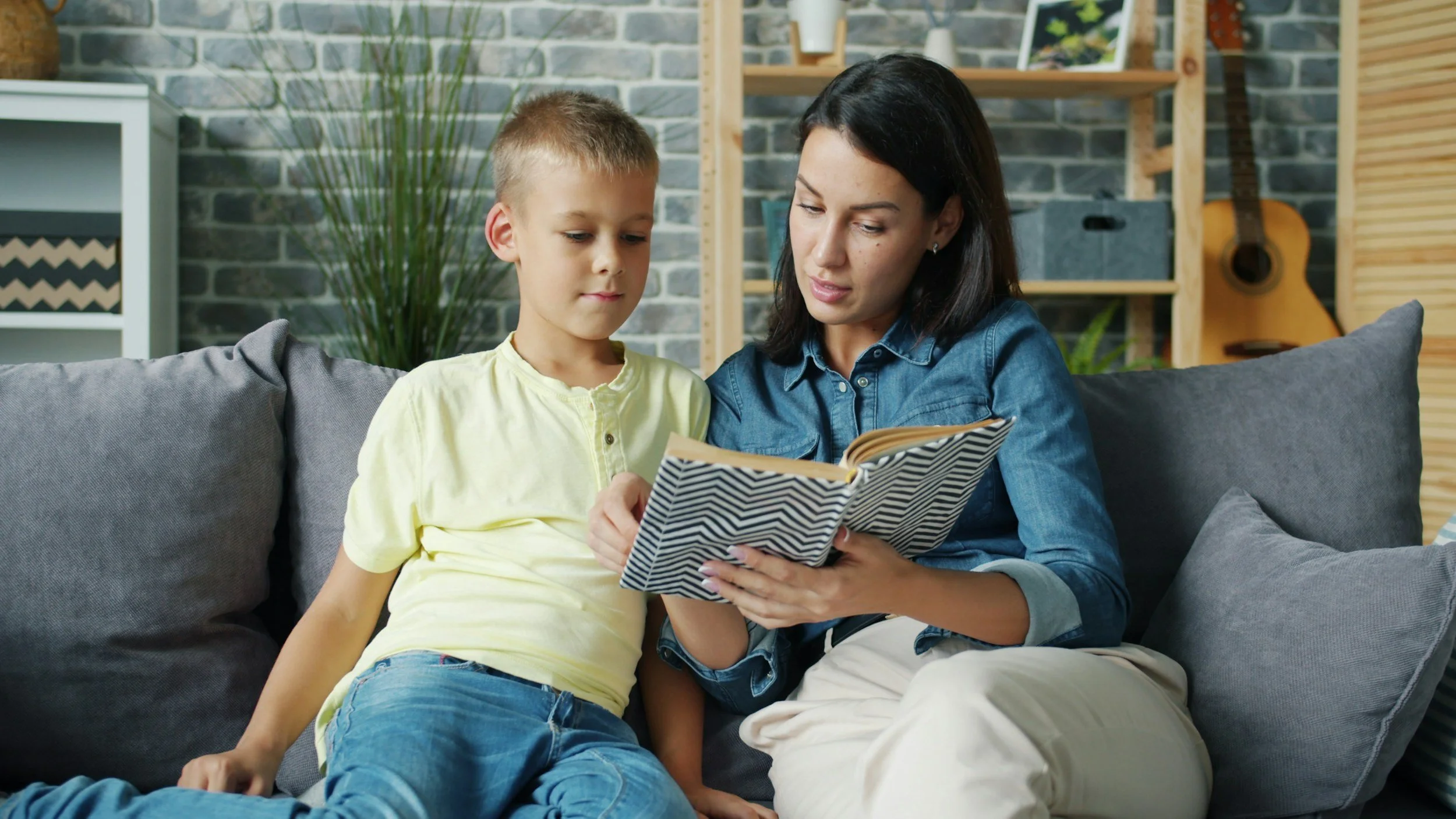
Preschoolers (3 to 5 years): keep it to a sentence or two. "Your sister's ears hear things very loudly, so sometimes she needs quiet." Picture books and toys can make the idea concrete.
Primary school (6 to 10 years): add more detail. Explain that autism is not an illness, nobody caused it and it cannot be caught. Talk about strengths as well as challenges, such as a remarkable memory or a love of patterns.
Teenagers (11 years and over): invite deeper conversation about the future, independence, and their own feelings. Teenagers often appreciate being trusted with honest answers.
Siblings are usually most puzzled by communication. If a child is not yet speaking or uses few words, explain that they still want to connect and are learning other ways to do it. Our speech therapy team often shows families simple ways to play and communicate together, which siblings pick up quickly and enjoy.
Behaviour that looks like a tantrum may be a sensory reaction. Explaining that noisy shopping malls, bright lights or scratchy clothes can feel overwhelming helps siblings respond with understanding instead of frustration. Our occupational therapy team supports children with sensory processing, and the strategies they teach can be shared with the whole household.
It is normal for a sibling to feel proud one day and embarrassed or angry the next. Try these approaches:
Say the feeling out loud without judging it: "It sounds like that was really frustrating."
Protect regular one-to-one time with each child, even 15 minutes a day.
Give siblings their own space and belongings that are safe from being disturbed.
Avoid making them responsible for supervising their sibling.
Celebrate their achievements as loudly as you celebrate their sibling's progress.
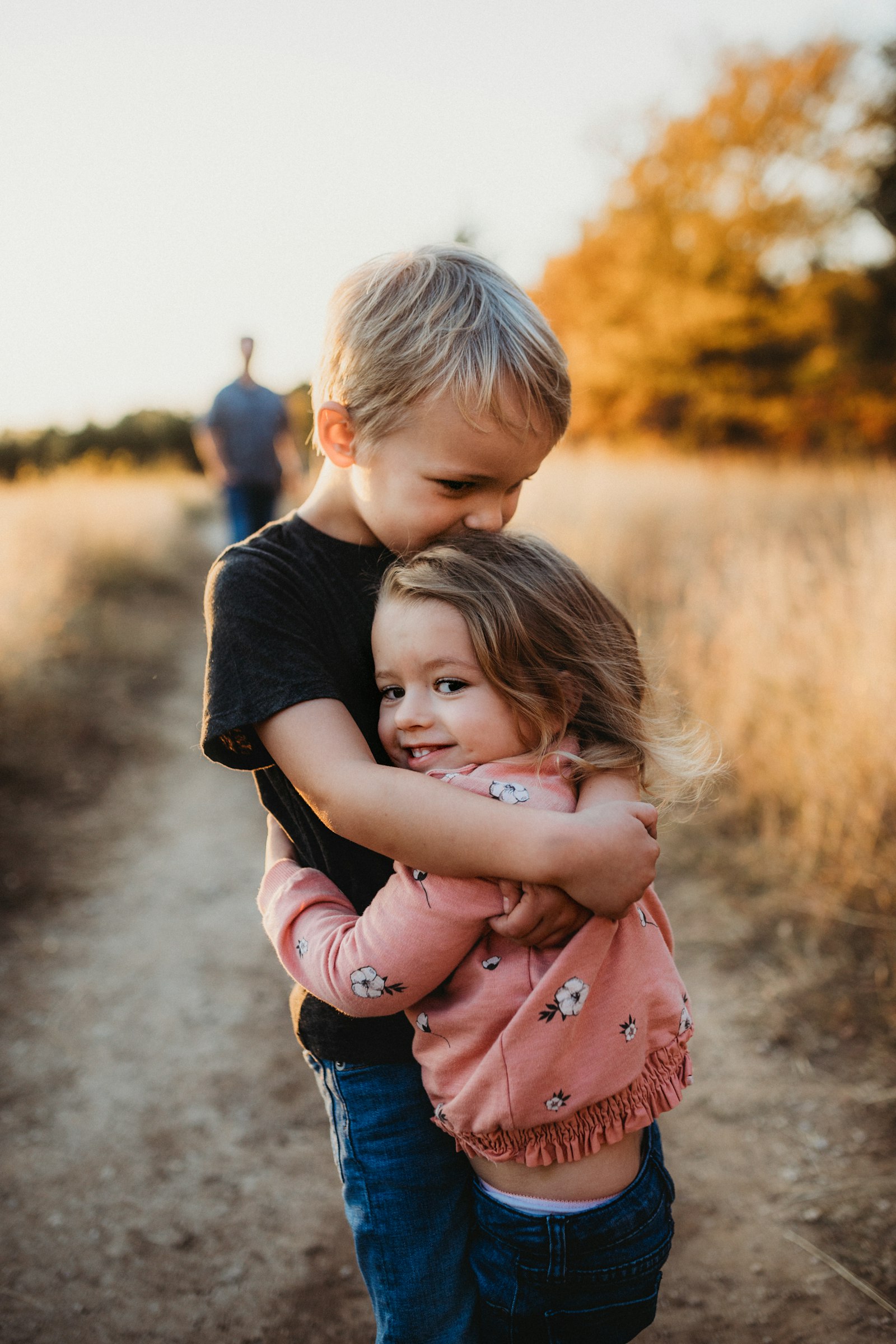
Shared play is one of the best ways to build a bond. Turn-taking games, building blocks, simple ball games and songs give siblings a role they can enjoy. Approaches used in ABA therapy can be adapted so that siblings learn how to prompt, praise and play, without being turned into therapists. The aim is connection, not correction.
Consider professional support if your other child is withdrawing, having trouble sleeping, refusing school, or showing persistent worry or anger. These are signs that a child needs additional help, not signs of failure by anyone. Early conversations with a child psychologist in Dubai can make a big difference for the whole family.
Use simple, concrete words and keep it short. You might say, "Your brother's brain works differently, so some things feel louder or harder for him." Repeat the conversation often, adding detail as your child grows and asks more questions.
Yes, it is very common and does not mean your child is unkind. Brothers and sisters often notice the extra time and attention their sibling receives. Naming the feeling calmly and protecting one-to-one time helps it pass.
Yes, in many cases. Therapists can invite siblings to selected sessions to practise play, turn-taking and communication, and to learn simple strategies. This works best when it is fun and never framed as a duty.
No, not as a default. Occasional helping is fine, but a child should not become a parent-in-training. Keep expectations age-appropriate and make sure they still have time to be a child.
Bloom Beyond Enabling offers ABA, speech, occupational therapy and clinical psychology under one roof at 601, 602 & 701 Al Nastaran Tower, Al Jaddaf Waterfront, Dubai. Our team can guide the whole family, including brothers and sisters.
To talk about support for your child and your whole family, call +971 4 554 5234 or +971 52 600 4107, email bloom@bloombeyond.me, or visit us at 601, 602 & 701 Al Nastaran Tower, Al Jaddaf Waterfront, Dubai. You can arrange an assessment at any time, and our Dubai team will guide you every step of the way.



.png)

.png)

.png)
.png)
.png)
.png)