Social skills are the everyday abilities children use to join in, take turns, share attention and build friendships, and they can be taught and practised just like any other skill. If your child finds making friends hard, the best next step is a professional assessment to understand what is getting in the way. Support is available at Bloom Beyond Enabling in Al Jaddaf, Dubai, where our clinical psychology and ABA therapy teams help children build confidence with peers.
Watching your child hover at the edge of the playground, or hearing that nobody invited them to a party, is painful for any parent. Many children in Dubai grow up in busy, multilingual, multicultural classrooms where social expectations shift from one setting to the next, and some find this much harder than others.
Across the UAE, families tell us the same thing: they want their children to feel they belong. The good news is that friendship skills are not simply a matter of personality. They are built from smaller skills, and each of them can be supported with patience, structure and plenty of practice.
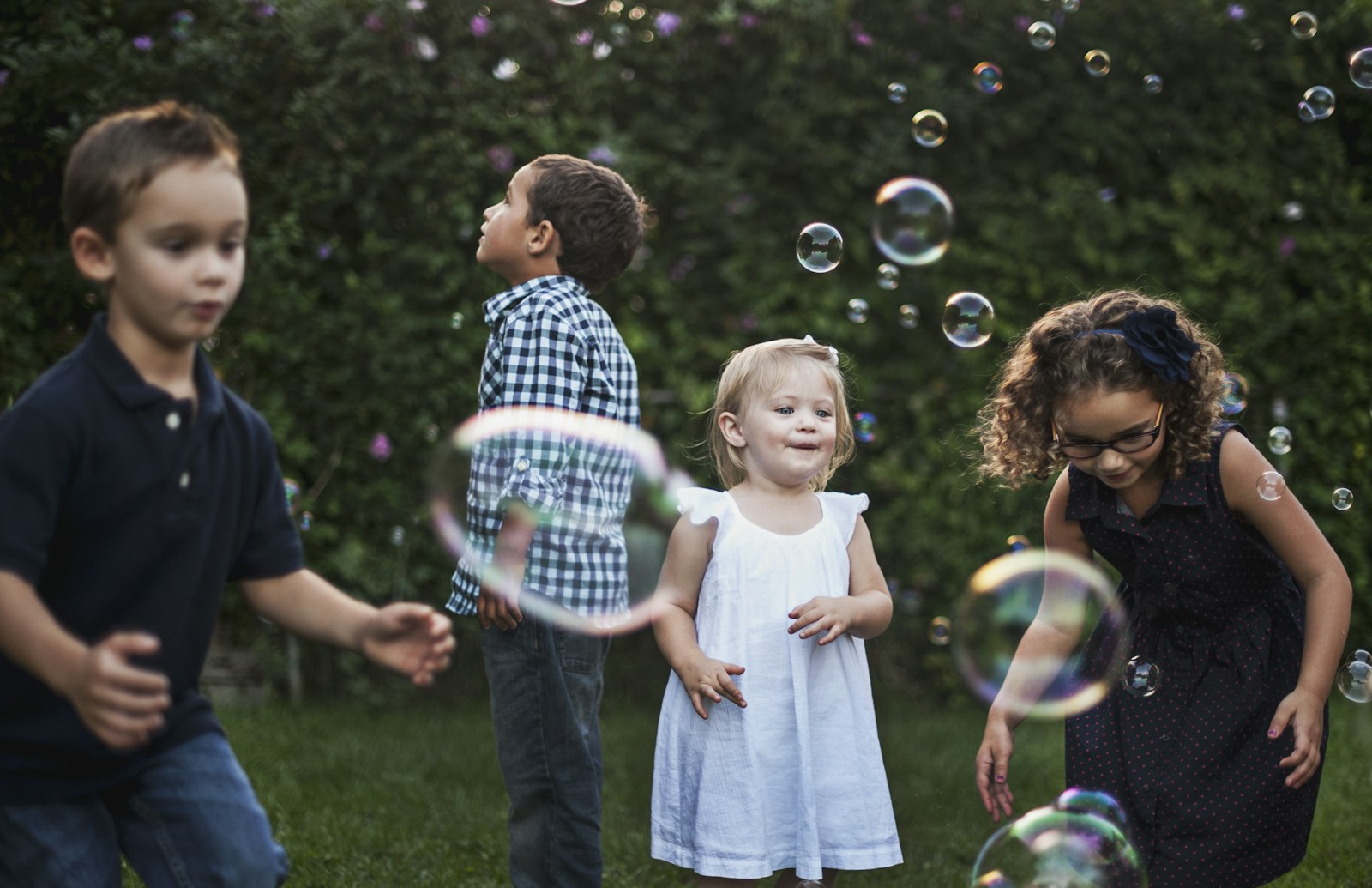
Social skills include noticing other people, sharing attention, listening, taking turns, reading facial expressions and body language, and responding to what someone else says or does. Play skills develop alongside them, moving gradually from playing alone, to playing next to others, to cooperative games with shared rules.
Children usually develop these skills step by step. A toddler may happily play beside a friend without interacting, while a school-aged child is expected to negotiate roles in a game. When a child misses a step, later steps can feel confusing or overwhelming.
There is rarely a single reason. Some children have language difficulties and struggle to find the words to start or keep a conversation going. Others find noisy, unpredictable playgrounds overwhelming because of sensory sensitivities. Some children are autistic or have ADHD, which can affect how they read social cues, manage impulses or follow the flow of a game.
Anxiety also plays a part. A child who worries about getting it wrong may avoid joining in at all, which then limits the practice they need. This is why it helps to look at the whole child rather than focusing only on behaviour.
Every child is different, and shyness alone is not a concern. It may be worth seeking advice if your child consistently plays alone and seems unhappy about it, struggles to take turns, becomes very upset when games do not go their way, finds it hard to start or keep up a conversation, or is often left out or in conflict with classmates.
Teachers at your child's Dubai school are often a valuable source of information, because they see how your child manages with peers every day. Please do not try to diagnose your child yourself; an assessment from a qualified professional is the safest way to understand what is going on.
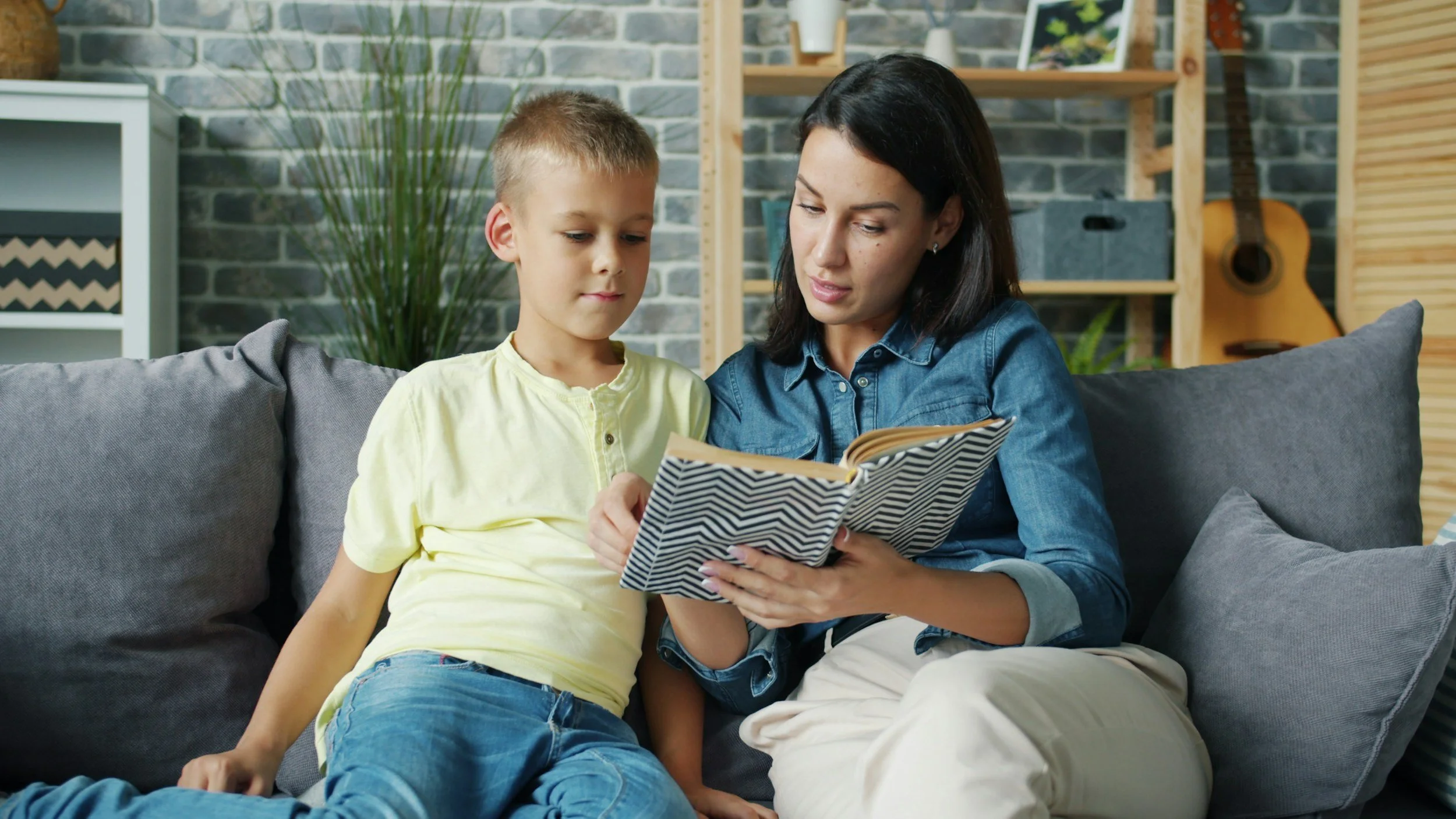
Start with short, low-pressure play. One-to-one time with a single familiar child, in a quiet space, is usually easier than a large party. Choose an activity your child enjoys, such as building blocks, a simple board game or drawing together, and keep sessions short enough that they end on a good note.
Model and name the skills as they happen. Simple phrases such as "It's your turn, then mine" or "You waited so patiently" show your child what the skill looks like and notice their effort. Role-play can also help: practise how to ask "Can I play too?" using toys or favourite characters before trying it in real life.
Use visual supports where they help. Picture cards or simple social stories can explain what happens at a playdate, from saying hello to saying goodbye. Finally, celebrate small steps. A moment of shared eye contact or a successful turn is real progress.
Therapists work on social skills in structured but playful ways. ABA therapy breaks skills such as joining a game or sharing into small teachable steps, with positive reinforcement and practice in everyday situations. Speech and language therapy supports the conversation side of friendship, including understanding language, taking turns in dialogue and using gestures. Clinical psychology can help children who feel anxious or low in confidence about being with others.
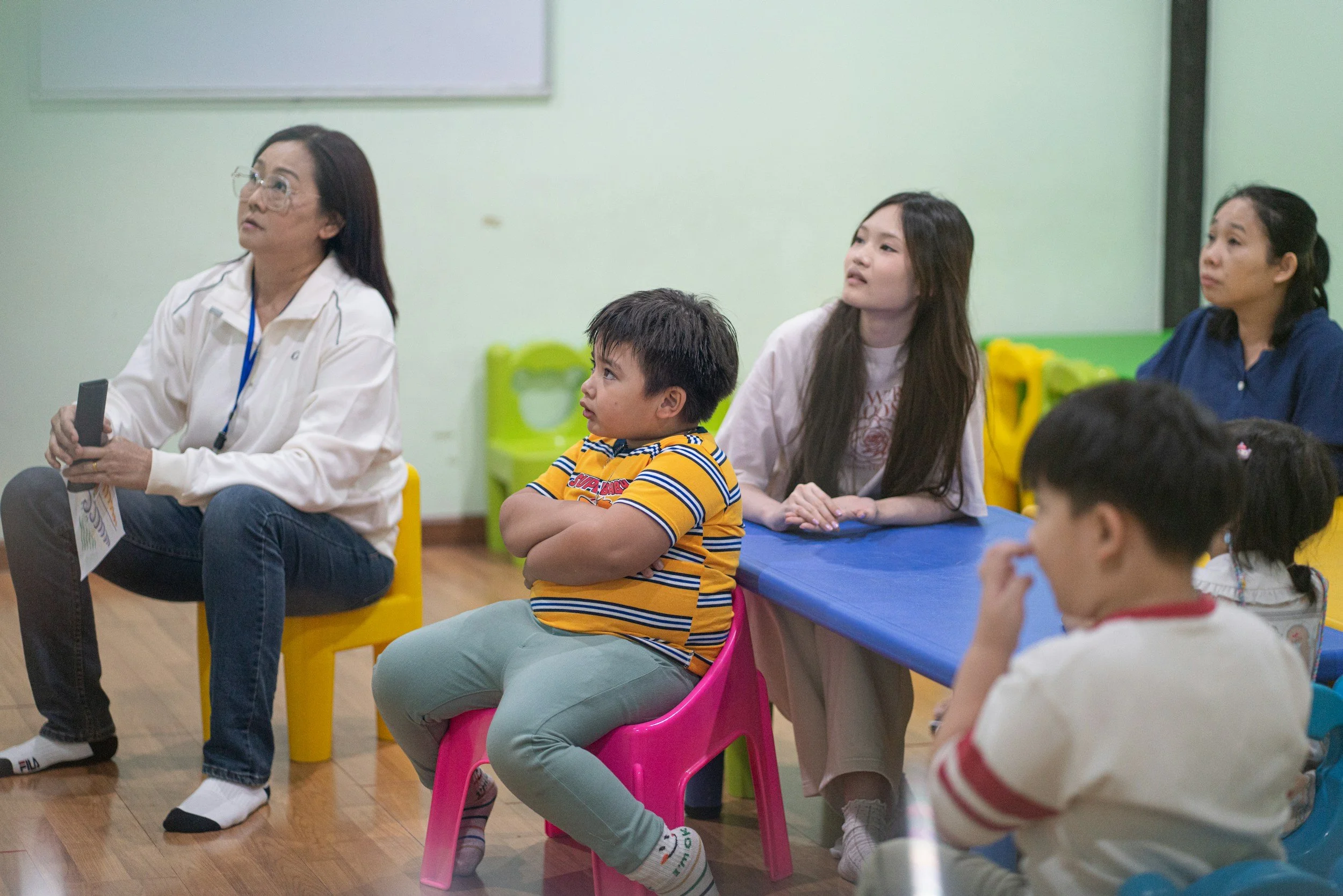
Small-group sessions in Dubai give children a safe place to practise with peers, with an adult nearby to guide and encourage. Because every child is different, a good programme begins with an assessment and goals shaped around your child's needs and your family's priorities.
Research on peer relationships suggests that supportive friendships in childhood are linked with better emotional wellbeing, although individual experiences vary widely. This is one reason many families choose to seek help early rather than wait.
Yes, it can be. Some children are naturally more reserved and enjoy solitary play. It becomes worth discussing with a professional if your child seems distressed about being alone or has difficulty interacting even when they want to.
There is no single age. Toddlers often play alongside one another, and genuine cooperative play usually develops during the preschool and early school years. If you are unsure whether your child's play is developing as expected, an assessment can reassure you or guide next steps.
Yes. Social skills can be learned with modelling, practice and encouragement. Progress is usually gradual, and children do best when home, school and therapy support the same goals.
Not necessarily. Social difficulties can have many causes, including language delay, anxiety, ADHD or simply a lack of practice. Only a qualified professional can say whether an assessment for autism or another condition is appropriate.
Bloom Beyond Enabling offers ABA, speech, occupational therapy and clinical psychology for children at 601, 602 & 701 Al Nastaran Tower, Al Jaddaf Waterfront, Dubai. You can arrange an assessment to discuss what would suit your child.
If you are worried about your child's friendships, you do not have to work it out alone. Call +971 4 554 5234 or +971 52 600 4107, email bloom@bloombeyond.me, or visit us at 601, 602 & 701 Al Nastaran Tower, Al Jaddaf Waterfront, Dubai to arrange an assessment with our team.



.png)

.png)

.png)
.png)
.png)
.png)