Few moments delight a parent quite like hearing their child's first word. Language is how our children share their thoughts, express their needs and connect with the people they love. Yet language develops at a different pace for every child, and it is natural to wonder whether your little one is on track. Understanding the typical speech and language milestones can help you feel confident about your child's progress, and it can also help you recognise when a little extra support might be beneficial. For families across Dubai, specialist speech and language therapy is readily available, warm and effective, offering children the tools they need to communicate with confidence.
It is helpful to understand the difference between speech and language, as the two are often confused. Speech refers to the physical act of producing sounds and words, including articulation, voice and fluency. Language, on the other hand, is the broader system of using and understanding words, whether spoken, written or signed. Language is often divided into receptive language, which is how a child understands what is said to them, and expressive language, which is how a child conveys their own ideas.
A child might understand a great deal yet struggle to produce clear sounds, or they might speak clearly but find it hard to follow instructions or build sentences. Recognising which area a child finds challenging is central to providing the right kind of support, and it is one of the first things a speech and language therapist will assess.
While every child is unique, there are broad patterns that most children follow. By around twelve months, many children say their first recognisable words, respond to their name and use gestures such as waving or pointing. Between one and two years, vocabulary usually grows quickly, and toddlers begin combining two words, such as "more juice" or "daddy gone".
By age three, most children speak in short sentences, ask simple questions and can be understood by familiar adults much of the time. Between three and four years, children typically tell short stories, use longer sentences and follow two-step instructions. By age five, most children hold conversations comfortably, use largely correct grammar and are understood by unfamiliar listeners.
These milestones are guides rather than rigid rules. A child who reaches some milestones a little later is not necessarily cause for concern, but a consistent pattern of delay across several areas is worth exploring with a professional.
Certain signs suggest it may be worth seeking advice from a speech and language therapist. These include a child who is not babbling by around ten months, has very few or no words by eighteen months, or is not combining words by the age of two. Difficulty being understood by others by age three, frequent frustration when trying to communicate, or a sudden loss of previously acquired words are also worth noting.
Other indicators can include limited understanding of simple instructions, difficulty answering questions, or challenges with the social use of language, such as taking turns in conversation or making eye contact. If your child stammers persistently, sounds unusually hoarse, or seems to struggle with the physical movements needed for speech, a professional assessment can bring both clarity and reassurance. Trusting your parental instincts is important, and seeking guidance early rarely does any harm.
Speech and language therapy is a warm, playful and evidence-based process designed around each child's individual needs. Following an initial assessment, a therapist creates a tailored plan that targets the specific areas a child finds difficult, whether that is producing particular sounds, building vocabulary, forming sentences or using language socially.
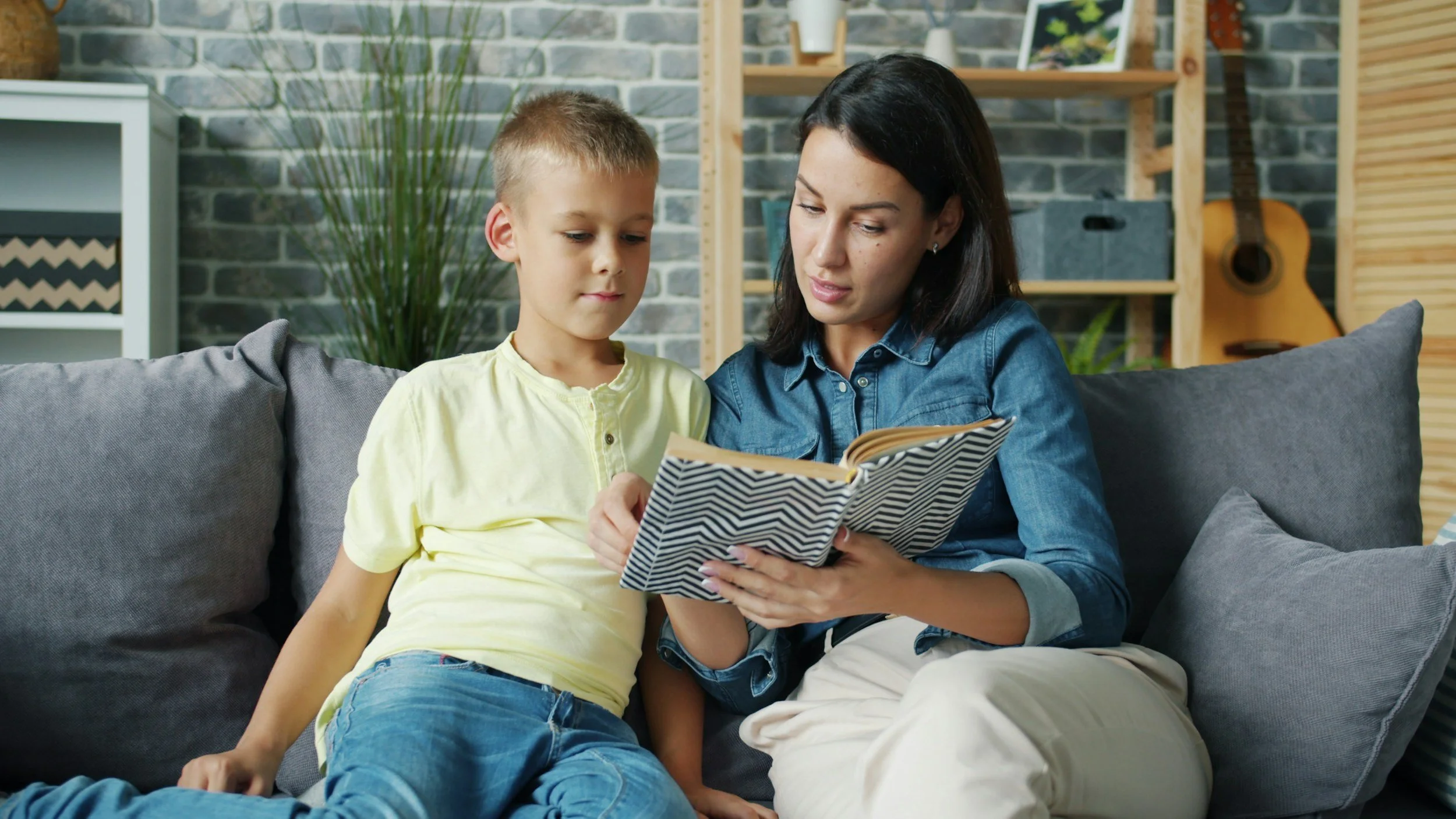
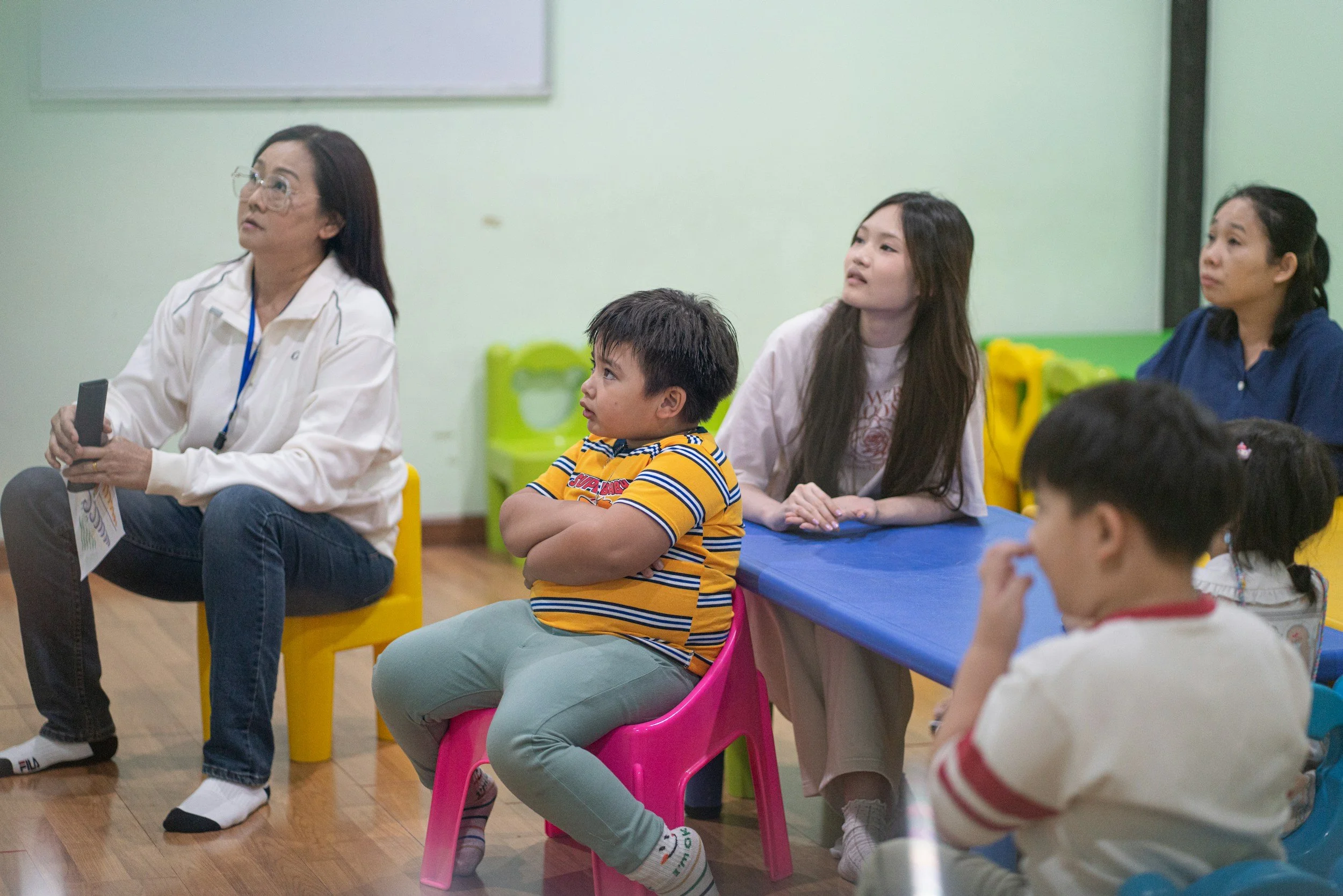
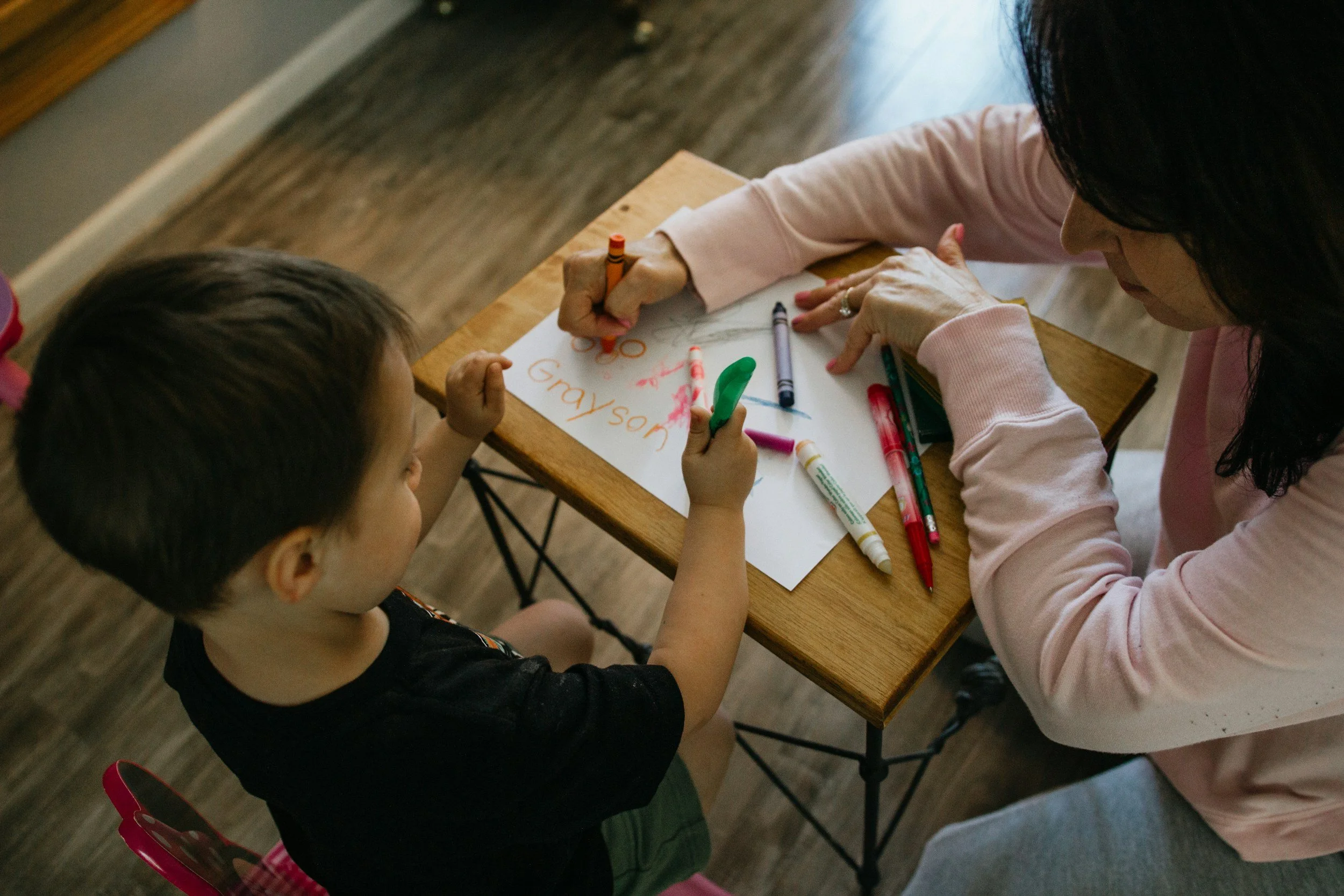
Sessions are engaging and often feel like play, using toys, games, books and everyday activities to make learning enjoyable. Therapists also work closely with parents, sharing practical strategies that can be woven into daily routines at home, from mealtimes to bath time. For some children, therapy may involve alternative and augmentative communication, such as picture systems or devices, which support those who find spoken language particularly challenging. The aim throughout is to help each child communicate in the way that works best for them.
The early years are a remarkable period for language development, as young brains are especially receptive to learning new skills. This is why early support can be so effective. When challenges are identified and addressed early, children often make wonderful progress, gaining not only communication skills but also the confidence that comes with being understood.
Strong communication skills lay the foundation for so much of a child's future, from forming friendships and succeeding at school to managing emotions and building independence. In a diverse and multilingual city such as Dubai, where many children grow up hearing more than one language, thoughtful and knowledgeable support is particularly valuable. A good therapist celebrates a child's multilingual environment as a strength rather than treating it as a hurdle.
Is it normal for a two-year-old to say very few words?
Vocabulary varies widely at this age, but by around two years many children use roughly fifty words and begin combining them. If your child uses very few words or is not combining them, a friendly assessment can help determine whether support would be helpful.
My child is growing up bilingual. Could this delay their speech?
Growing up with more than one language does not cause language disorders. Bilingual children may mix languages or reach certain milestones at slightly different times, but this is a normal part of learning two languages and is a wonderful asset.
When should I seek a speech therapy assessment?
If you have concerns at any age, it is reasonable to seek advice. Common prompts include no babbling by around ten months, few words by eighteen months, or difficulty being understood by age three. Early guidance is always worthwhile.
Will my child need therapy for a long time?
This depends entirely on the child and their needs. Some children benefit from a short period of support, while others need longer-term input. Your therapist will discuss goals and expected timelines with you and review progress regularly.
Can I support my child's language development at home?
Absolutely. Talking, reading, singing and playing together all nurture language beautifully. A speech and language therapist can also give you tailored strategies to use in your everyday routines.
Watching your child find their voice is one of parenting's great joys, and every child deserves the support they need to express themselves fully. If you have any concerns about your child's speech or language, please know that help is close at hand and that seeking it is a caring, positive step. Our warm and experienced team in Al Jaddaf would be delighted to support your family. Please call +971 52 600 4107, email bloom@bloombeyond.me, or visit us at 601, 602 & 701 Al Nastaran Tower, Al Jaddaf Waterfront, Dubai.


.png)

.png)

.png)
.png)
.png)
.png)