When your child receives an autism diagnosis, the amount of information — and the number of opinions — can feel overwhelming. Among the therapies most frequently recommended by paediatricians and specialists in Dubai is Applied Behaviour Analysis (ABA), an evidence-based approach that has helped countless children build communication, social and daily living skills. If you are a parent in Dubai exploring options for your child, this guide explains what ABA therapy actually involves, how it works, and how to decide whether it is right for your family.
Applied Behaviour Analysis is a therapeutic approach grounded in the science of learning and behaviour. Rather than a single technique, it is a framework: therapists observe how a child interacts with their environment, identify the skills that would most improve their daily life, and then teach those skills step by step using positive reinforcement.
In practice, this means breaking down complex abilities — asking for help, taking turns, getting dressed, tolerating a haircut — into small, achievable steps. Each success is celebrated and reinforced, so learning feels motivating rather than pressured. Over time, these small steps build into meaningful, lasting change.
ABA is one of the most researched interventions for autism worldwide, and it is widely available across the UAE through licensed therapy centres staffed by Board Certified Behaviour Analysts (BCBAs) and trained ABA therapists.
A quality ABA programme always begins with a thorough assessment. The behaviour analyst spends time getting to know your child — their strengths, interests, communication style and current challenges — and speaks with you about your family's priorities. From this, they design an individualised plan with clear, measurable goals.
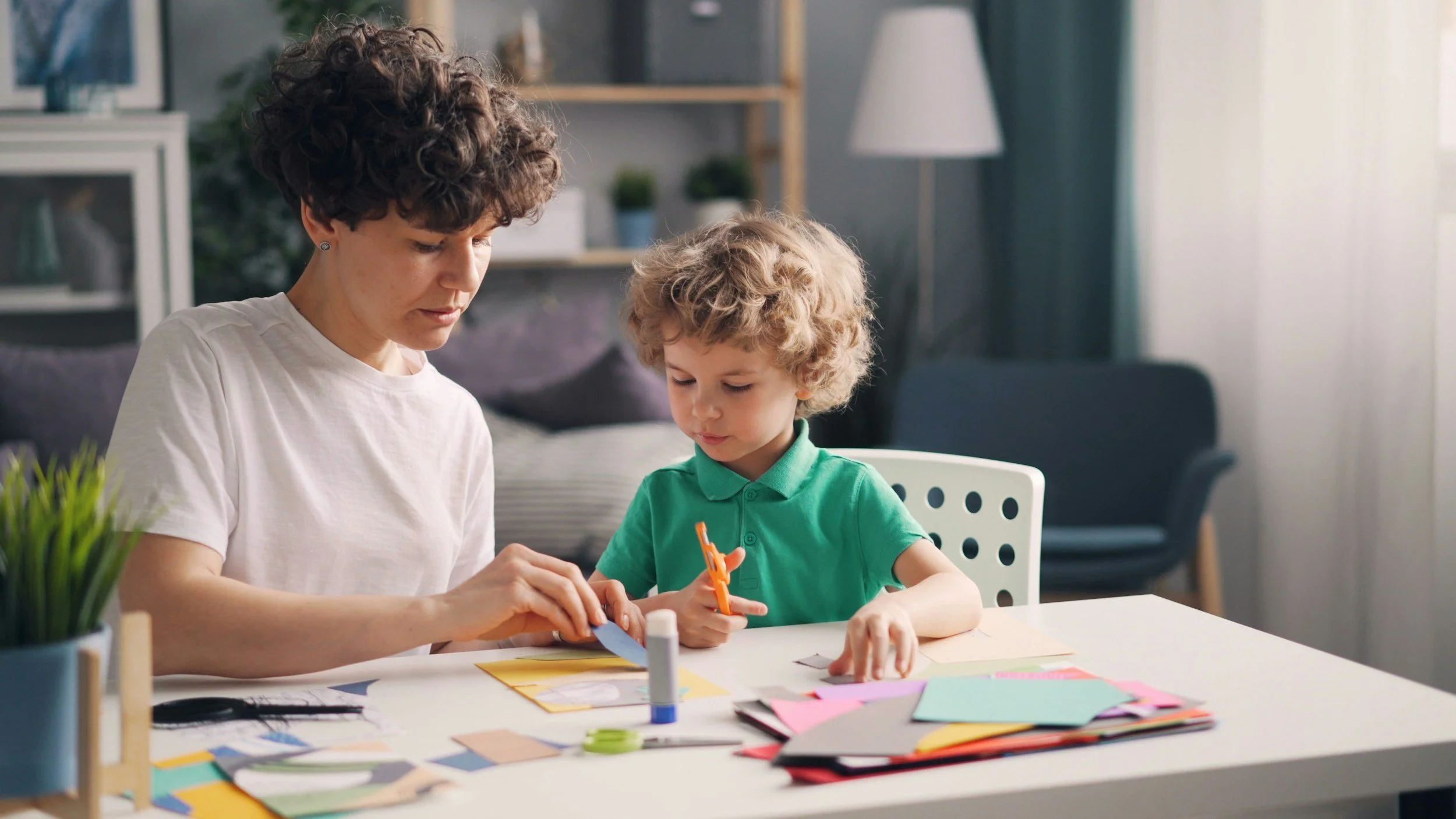
Sessions themselves often look like structured play. A therapist might use a child's love of trains to practise requesting, turn-taking or counting. Data is collected throughout, so progress is tracked objectively rather than by impression. If a strategy is not working, the plan is adjusted — this responsiveness is one of ABA's greatest strengths.
Modern ABA places strong emphasis on naturalistic teaching: learning embedded in everyday routines and play, guided by the child's own motivation. The aim is never compliance for its own sake, but genuine skills your child can use at home, at school and in the community.
Because every programme is individualised, goals vary widely from child to child. Common areas include communication and language, whether spoken, signed or supported by pictures and devices; social skills such as sharing attention, playing alongside peers and understanding social cues; daily living skills including toileting, dressing, feeding and sleep routines; school readiness skills like sitting for group activities, following instructions and transitioning between tasks; and emotional regulation, helping children recognise big feelings and develop safer, calmer ways to express them.
For many families in Dubai, reducing behaviours that limit a child's opportunities — such as aggression, self-injury or extreme rigidity — is also an important goal. ABA addresses these by understanding why a behaviour happens and teaching a more effective alternative, never through punishment.
Children with autism often benefit from a team approach. ABA frequently works hand in hand with speech and language therapy, occupational therapy and sensory integration support. A child might work on requesting with their ABA therapist using words their speech therapist is targeting, while their occupational therapist helps with the sensory regulation that makes learning possible in the first place.
When these professionals collaborate under one roof — as is increasingly common in centres across Dubai and the wider UAE — parents benefit from consistent goals, shared strategies and far less running between appointments.
Not all programmes are equal, so it is worth asking questions before you commit. Look for supervision by a qualified BCBA, individualised goals based on formal assessment, transparent data collection you can see, a warm and play-based approach your child enjoys, and meaningful parent training so strategies carry over to home life.
Location matters too. Therapy works best when it is consistent, so choosing a centre that is practical to reach — whether you live in Al Jaddaf, Downtown, Bur Dubai or further afield — makes it easier to maintain the recommended frequency of sessions.
Research is clear that children make the strongest gains when parents are active partners in therapy. A good ABA team will coach you in the same strategies used in sessions: how to encourage communication during daily routines, how to respond to challenging moments calmly and consistently, and how to celebrate progress in ways that motivate your child.
You do not need to become a therapist yourself. Even ten minutes of intentional, playful practice during bath time or the school run can reinforce what your child is learning — and deepen your connection with them along the way.
At what age should a child start ABA therapy?
ABA can benefit children of almost any age, but research consistently shows that early intervention — ideally between ages two and six — leads to the strongest outcomes, because young brains are at their most adaptable. That said, older children and teenagers also make meaningful progress with well-designed programmes.
How many hours of ABA does my child need?
It depends on your child's needs and goals. Some children thrive with a focused programme of a few hours per week, while others benefit from more intensive support. A qualified behaviour analyst will recommend a schedule based on assessment, not a one-size-fits-all number.
Is ABA therapy suitable for children without an autism diagnosis?
Yes. While ABA is best known as an autism intervention, its teaching methods help children with ADHD, developmental delays and other learning or behavioural difficulties.
How long before we see progress?
Many families notice early changes — better engagement, fewer difficult moments, new words or requests — within the first few months. Larger goals take longer, and your therapy team should review data with you regularly so you can see progress objectively.
Will ABA change my child's personality?
No, and it should never try to. Modern, ethical ABA celebrates who your child is. The goal is to give them more tools — to communicate, to connect, to participate — so their personality can shine through more easily, not less.
Every child deserves the chance to learn, connect and flourish, and the right support at the right time can transform a family's daily life. If you are considering ABA therapy for your child in Dubai, our multidisciplinary team is here to answer your questions and guide you through assessment and next steps. Call us on +971 52 600 4107, email bloom@bloombeyond.me, or visit us at 601, 602 & 701 Al Nastaran Tower, Al Jaddaf Waterfront, Dubai.



.png)

.png)

.png)
.png)
.png)
.png)