Many children look away during conversation for ordinary reasons, but persistent difficulty with eye contact (looking at another person's eyes or face to connect or communicate) can sometimes be part of a wider difference in social communication. The best next step is to notice when and why your child looks away, then arrange a professional assessment if you are concerned. Support is available at Bloom Beyond Enabling in Al Jaddaf, Dubai, including speech therapy for social communication.
It is natural to worry when your child does not meet your gaze while you talk, read or play. Parents across Dubai and the UAE often ask us whether it matters, whether it is a phase, and what they should do about it. This guide explains what eye contact is, why some children avoid it, and how to support connection in warm, low-pressure ways.
Eye contact helps people share attention. A baby who looks from a toy to your face and back is saying, "Look at this with me." Over time, gaze helps children read emotions, take turns in conversation and learn new words by following where an adult is looking.
Because gaze supports so many early skills, therapists look at how a child uses it, not simply how often. A child who glances briefly while sharing a joke may be communicating well, while a child who stares without responding may need a closer look.
Not every child who looks away has a developmental difference. Shyness, tiredness, worry about getting something wrong and cultural expectations about looking at adults can all play a part. Some children also find it easier to listen when they are not looking, because processing a face and a voice at once takes effort.
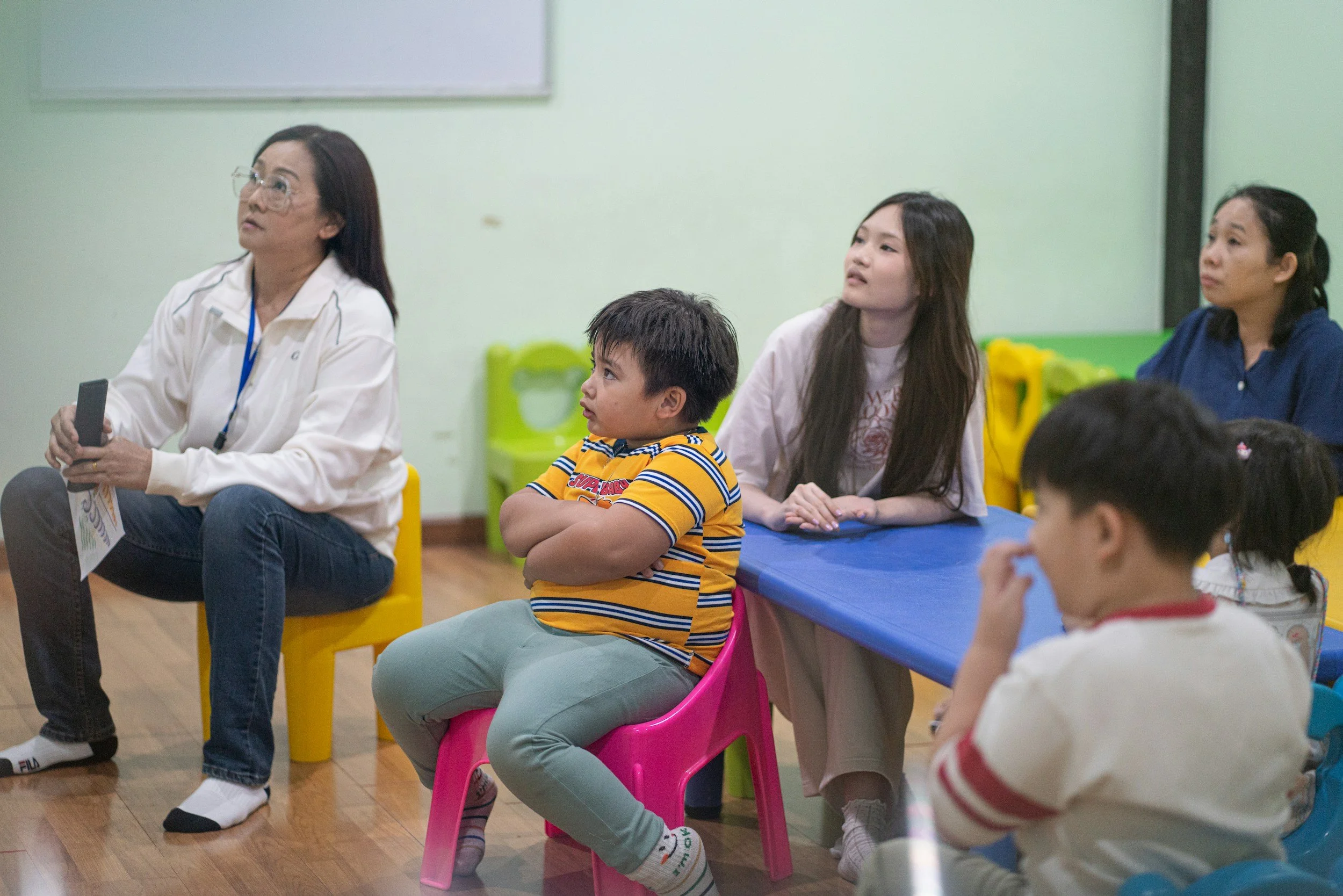
In busy Dubai settings such as malls, nurseries and noisy classrooms, a child who is overloaded may simply look away to cope. If gaze improves when the environment is calm, sensory overload may be part of the story.
Eye contact can be one early sign among several in autism and other social communication differences. Signs worth noting include not responding to their name, rarely pointing or showing things to you, limited back-and-forth play, and little sharing of enjoyment. For context, the US Centers for Disease Control and Prevention (CDC) has reported that around 1 in 31 eight-year-old children were identified with autism in its most recent monitoring report, which is one reason early awareness matters.
Please do not self-diagnose. Gaze varies widely between children, and only a qualified professional can say what is happening for yours. If you have several concerns, an assessment is far more useful than waiting.
Pressure rarely works and can make children avoid faces even more. Instead, try these gentle approaches:
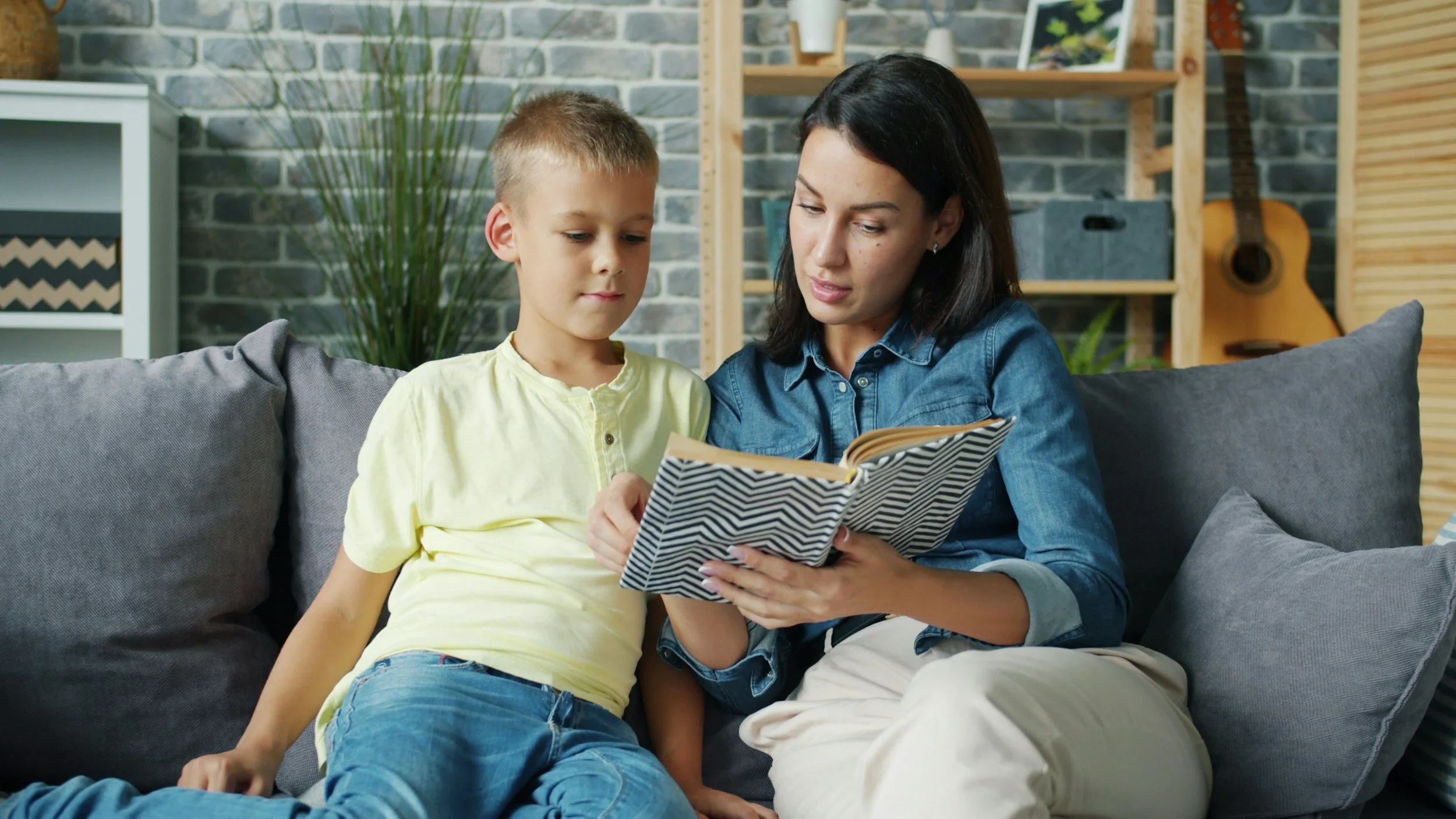
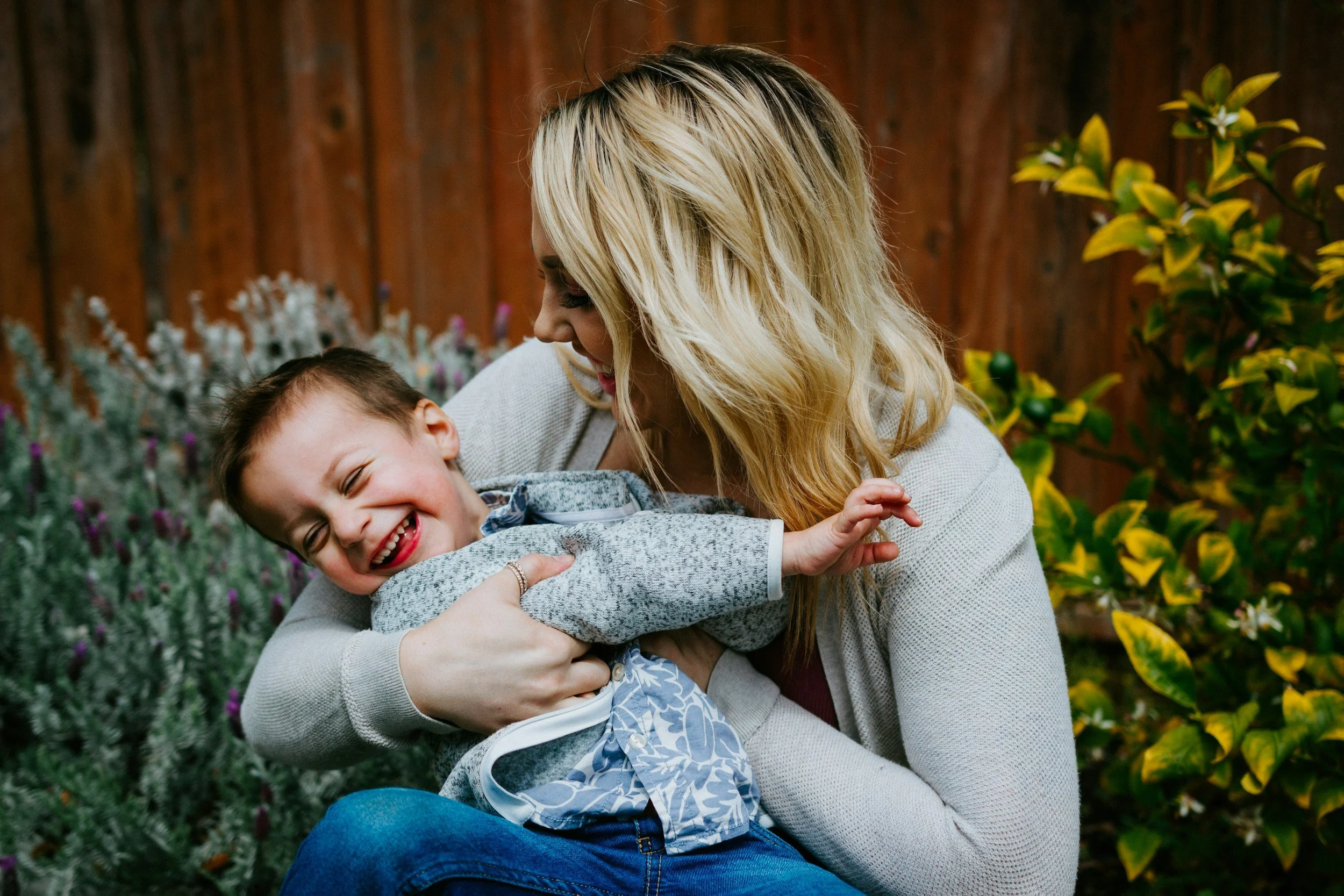
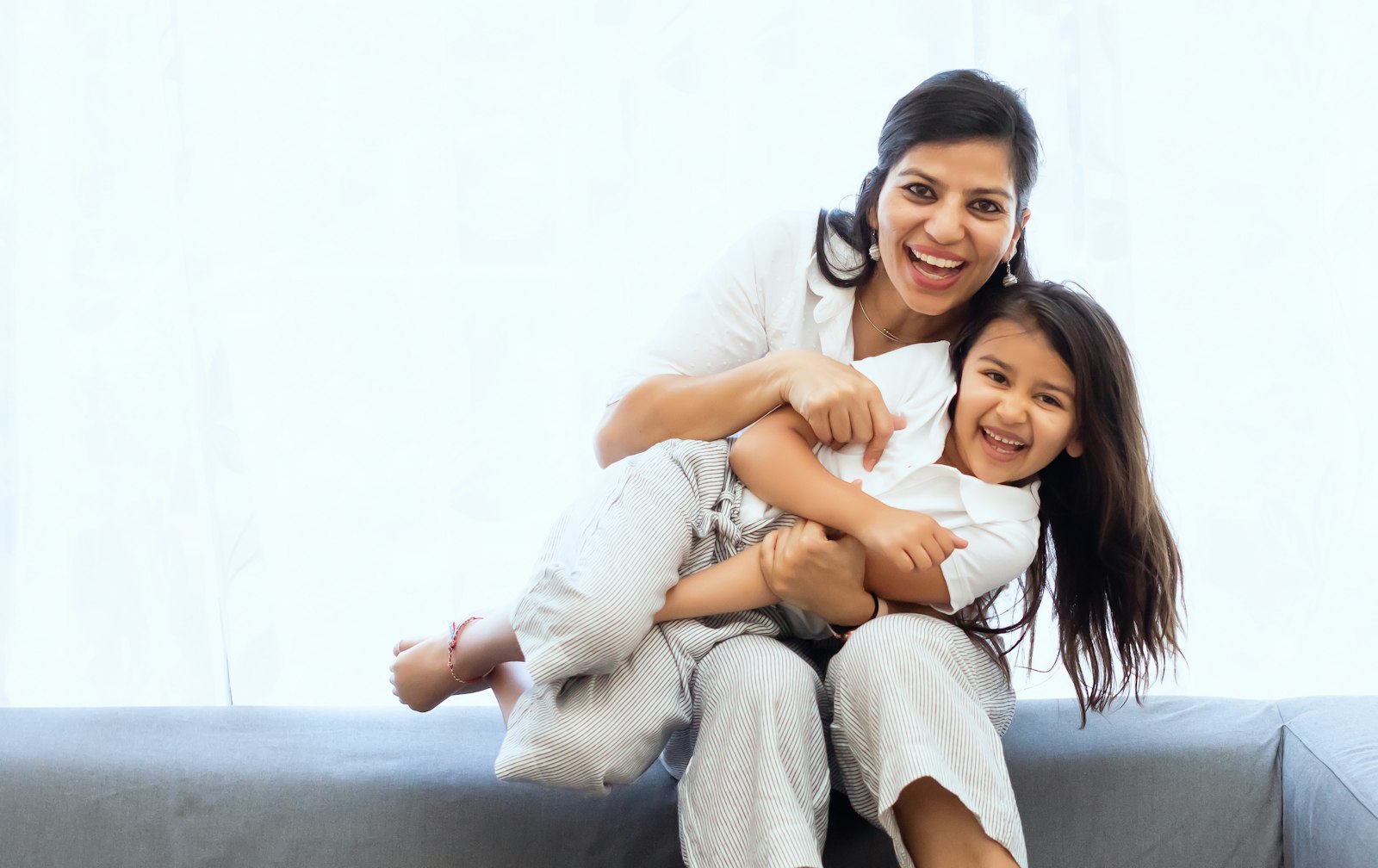
Get down to your child's level and join what they are already doing, so your face becomes part of the fun. Use songs, peekaboo, bubbles and tickle games, pausing so your child looks up to ask for "more". Hold favourite toys near your face during play, and narrate what your child is doing with simple words. Celebrate any moment of shared attention, however brief.
These routines build joint attention, which matters far more than staring. Occupational therapists can also help if sensory sensitivities make faces or lights uncomfortable, through occupational therapy.
Therapists do not teach children to stare. Speech and language therapists work on joint attention, turn-taking, gestures and early communication. ABA therapy can use play-based, child-led teaching to build social engagement in small, positive steps, and a clinical psychologist can help if worry or shyness is driving the avoidance.
At Bloom Beyond Enabling, our team works together so that your child's goals are consistent across therapies and at home. Parents are always part of the plan.
No. Many children look away because they are shy, tired, anxious, overwhelmed by noise, or concentrating on what they are hearing. Eye contact is one piece of a wider picture, so a professional assessment looks at communication, play, behaviour and sensory responses together rather than gaze alone.
No. Insisting on eye contact can be stressful and may make it harder for a child to listen. It is usually more helpful to build shared attention through play and to let your child look in the way that feels comfortable.
Most babies begin to look at faces and share smiles in the first few months of life. If your child seems rarely to look towards people, does not respond to their name or does not share enjoyment by around 12 months, it is sensible to ask for a developmental check.
Yes, support can help many children. Therapists focus on joint attention, play, turn-taking and communication rather than drilling eye contact, and they plan goals around what your child finds meaningful.
Bloom Beyond Enabling offers speech therapy, ABA, occupational therapy and clinical psychology under one roof at 601, 602 & 701 Al Nastaran Tower, Al Jaddaf Waterfront, Dubai. Our team can assess your child and suggest a plan that fits your family.
If you are worried about your child's eye contact or social communication, we would be glad to help. Please call +971 4 554 5234 or +971 52 600 4107, email bloom@bloombeyond.me, or visit us at 601, 602 & 701 Al Nastaran Tower, Al Jaddaf Waterfront, Dubai. You can also arrange an assessment online, and our team will guide you on the right next step for your child.